
Iran Warns UAE: Israel Ties Have Limits, and So Does Tehran’s Patience

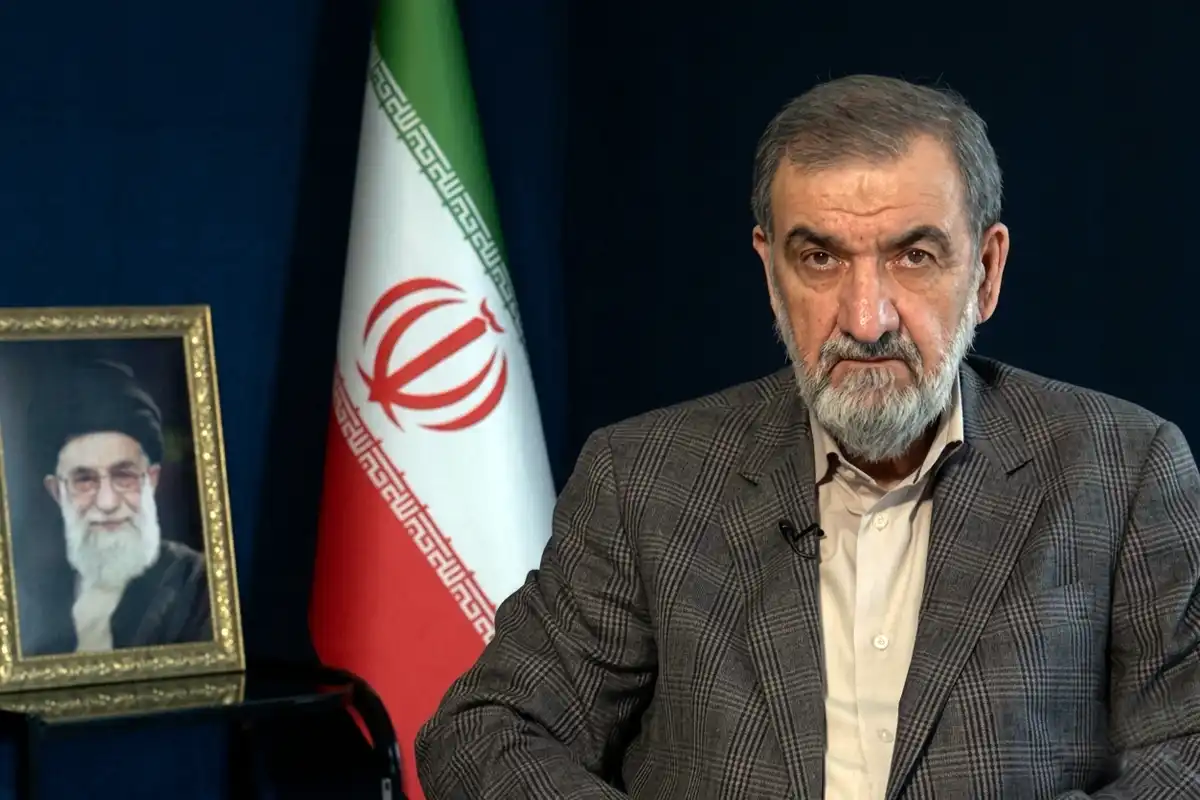
Mohsen Rezaei’s message to Abu Dhabi was not a diplomatic note. It was a threshold warning with a specific condition attached.
Mohsen Rezaei, Military Secretary to Iran’s Supreme Leader and one of the Islamic Republic’s most senior strategic figures, has delivered a pointed warning to the United Arab Emirates: Tehran is watching Abu Dhabi’s deepening relationship with Israel, it has assessed what that relationship means, and Iran’s tolerance for it has boundaries that the UAE would be unwise to test.
The statement is notable not just for its tone but for its structure. Rezaei combined a threat with an offer — closing neither door completely, but making clear which direction leads to safety and which does not.
What Iran Is Actually Watching
Rezaei’s statement that Tehran is “fully aware” of UAE-Israel ties and monitoring “every move” is not rhetorical. The Abraham Accords normalization of 2020 established formal diplomatic, economic, and security cooperation between Abu Dhabi and Tel Aviv that has deepened steadily since. UAE-Israel intelligence sharing, joint defense exercises, Israeli technology deployment in Emirati infrastructure, and growing bilateral trade have created a partnership that Iran reads as a strategic realignment on its doorstep.
From Tehran’s perspective, the UAE hosting Israeli security cooperation while Iran and Israel remain in active conflict is not neutrality. It is participation — one step removed from the front line but operationally significant.
The UAE’s installation of anti-drone protective netting around oil facilities, reported recently, reflects Abu Dhabi’s own assessment that it has become a potential Iranian target precisely because of this proximity to Israeli security arrangements.
The Warning’s Specific Logic
Rezaei framed his warning around a concept of patience with measurable limits rather than an immediate ultimatum. This is a calibrated deterrence communication — it tells the UAE that current behavior is being tolerated, that tolerance is finite, and that the UAE controls whether it reaches its end.
The specific concern Rezaei identified is Israeli “dangerous conspiracies” being laid against Muslim nations — language that frames UAE-Israel cooperation not as legitimate bilateral diplomacy but as Abu Dhabi being instrumentalized against broader Muslim interests. This framing is designed to appeal to domestic and regional audiences while pressuring Emirati leadership on identity and solidarity grounds.
The Open Door Iran Left
The diplomatic dimension of Rezaei’s statement is as significant as the warning. Tehran has not closed the door to UAE relations, he said explicitly — if Abu Dhabi reconsiders its policies, Iran remains willing to restore fraternal ties.
This structure — threat plus offer — is classic coercive diplomacy. It gives the target a face-saving path to compliance while establishing consequences for continued defiance. Iran is not demanding UAE break with Israel immediately. It is signaling that the current trajectory has an endpoint.
What Abu Dhabi Does Next
The UAE faces a genuine strategic dilemma. Israeli security cooperation provides real capability against Iranian threats. But deepening that cooperation increases the Iranian threat it is meant to deter.
Rezaei has just told Abu Dhabi that the escalation ladder has more rungs — and Iran controls how many get climbed.
Disclaimer; Based on Mohsen Rezaei’s publicly reported statements and open-source Gulf security analysis.
Catch all the World News, Breaking News Event and Trending News Updates on GTV News
Join Our Whatsapp Channel GTV Whatsapp Official Channel to get the Daily News Update & Follow us on Google News.
Must Read
World
Iraqis Celebrate US Troop Withdrawal as Country Marks National Sovereignty Day
30-September،2026