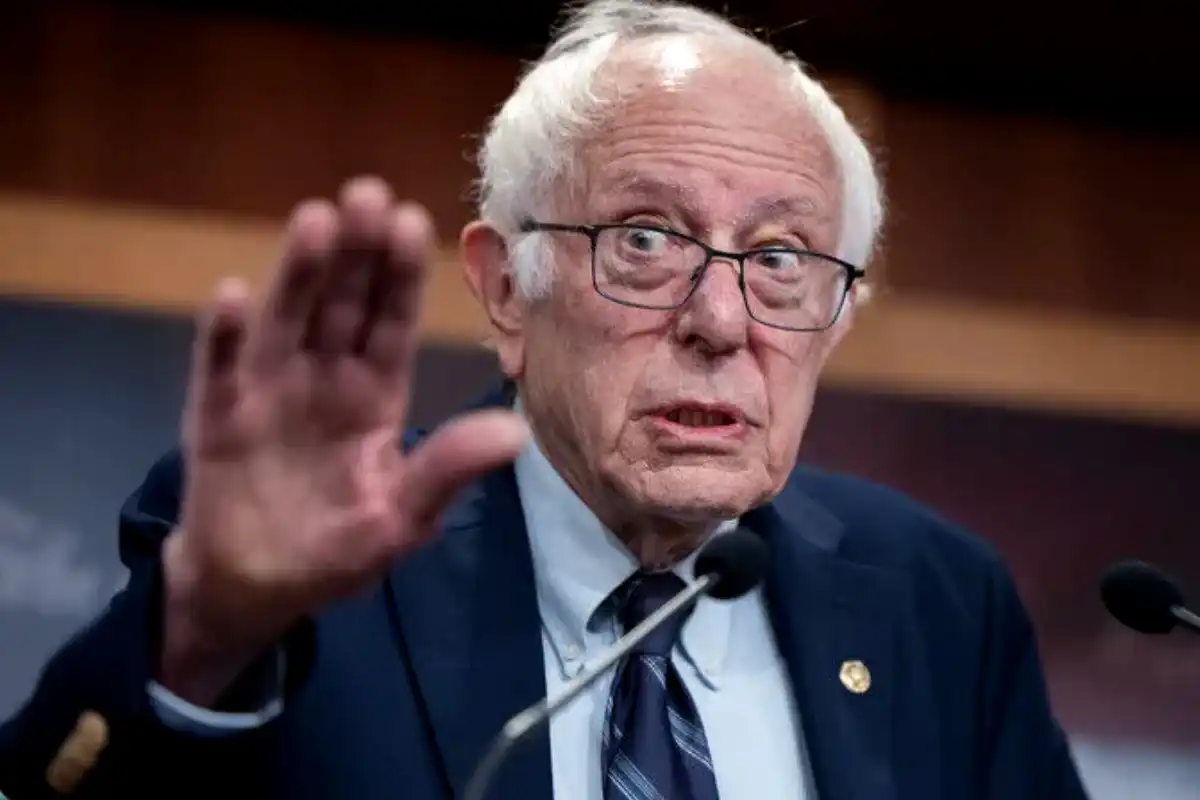
Rubio says US halted ‘Project Freedom’ at Pakistan’s request to enable deal talks

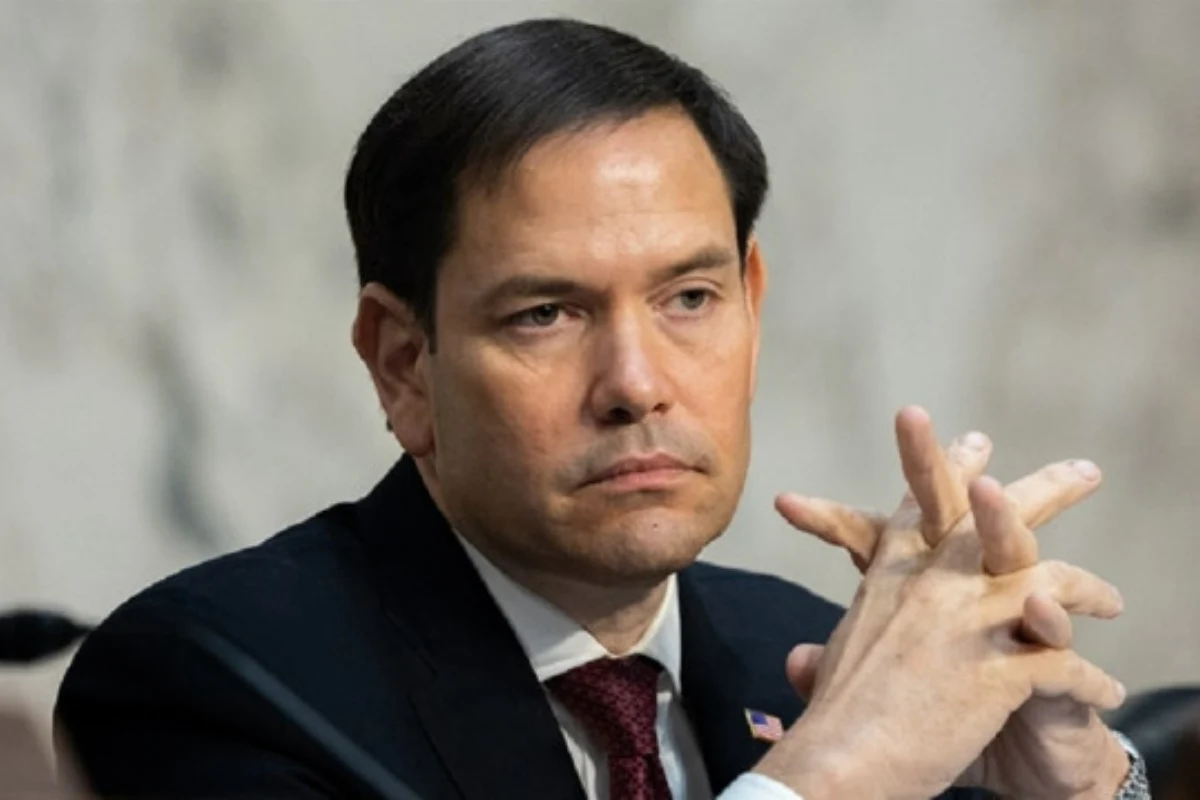
Rubio: US Will Not Allow Iran to Get Nuclear Weapons
The US Secretary of State has confirmed America halted a covert or classified initiative at Pakistan’s request. The name has never appeared in public before. That is the story.
Marco Rubio has made a disclosure that the foreign policy community will be parsing for days: the United States was running something called “Project Freedom,” Pakistan asked Washington to stop it, and Washington complied — because Islamabad said doing so could unlock a broader deal.
Rubio’s exact words leave no room for ambiguity. Pakistan told the US that halting Project Freedom was a prerequisite for diplomatic progress. The US agreed. The initiative stopped.
What Project Freedom actually was, who it targeted, what it involved, and what the “broader deal” it was meant to enable consists of — none of that has been disclosed.
Why the Name Matters
Classified or sensitive government initiatives are not named arbitrarily. “Project Freedom” carries a specific ideological valence — freedom is language associated with regime change operations, democracy promotion programs, opposition support networks, and covert influence campaigns. It is not the language of trade negotiations or infrastructure investment.
The name, combined with Pakistan’s insistence that stopping it was necessary for diplomacy to proceed, suggests an initiative that was creating pressure inside Iran — either through support for internal opposition, information operations, economic disruption beyond the formal sanctions architecture, or some combination of these.
Pakistan, as the ceasefire broker and host of the Islamabad Talks, would have direct visibility into how Iranian negotiators were responding to whatever Project Freedom involved. If Tehran was conditioning its diplomatic engagement on the program’s suspension, Islamabad would be the first to know — and the logical party to carry that message to Washington.
The Pakistan Mediation Architecture Revealed
Rubio’s statement inadvertently reveals something significant about how the Islamabad peace process actually functions. Pakistan is not simply providing a venue and logistics for talks. It is actively shaping the conditions under which those talks become possible — including making specific requests of the United States about what it must stop doing before Iran will engage seriously.
This is a more substantive mediating role than Islamabad’s public statements have acknowledged. A country that can successfully request the suspension of an American covert or pressure program as a precondition for diplomacy has genuine leverage over both parties — not just facilitation capacity.
It also confirms that Iran’s conditions for meaningful negotiation extend beyond the publicly stated demands around reparations, sanctions, and Strait of Hormuz recognition. The removal of active pressure operations is apparently also on Tehran’s list.
What Comes Next
The “broader deal” Rubio referenced — the one Pakistan said Project Freedom’s suspension could enable — has not materialized publicly. The Islamabad Talks have completed one formal round without producing an agreement. Senior-level exchanges continue.
Whether Project Freedom’s suspension has changed Iranian negotiating behavior, and whether the deal Pakistan promised is closer to reality, are questions Rubio’s brief disclosure raises without answering.
The name is now public. Everything else remains classified.
Disclaimer; Based on Rubio’s publicly reported remarks and open-source diplomatic analysis.
Catch all the World News, Breaking News Event and Trending News Updates on GTV News
Join Our Whatsapp Channel GTV Whatsapp Official Channel to get the Daily News Update & Follow us on Google News.
Must Read
Entertainment
King Charles Sends Independence Day Wishes to Botswana on 60th Anniversary
30-September،2026