Indian Court Orders Hindu Worship Inside Historic Mosque; The Kamal Maula Case and What It Reveals

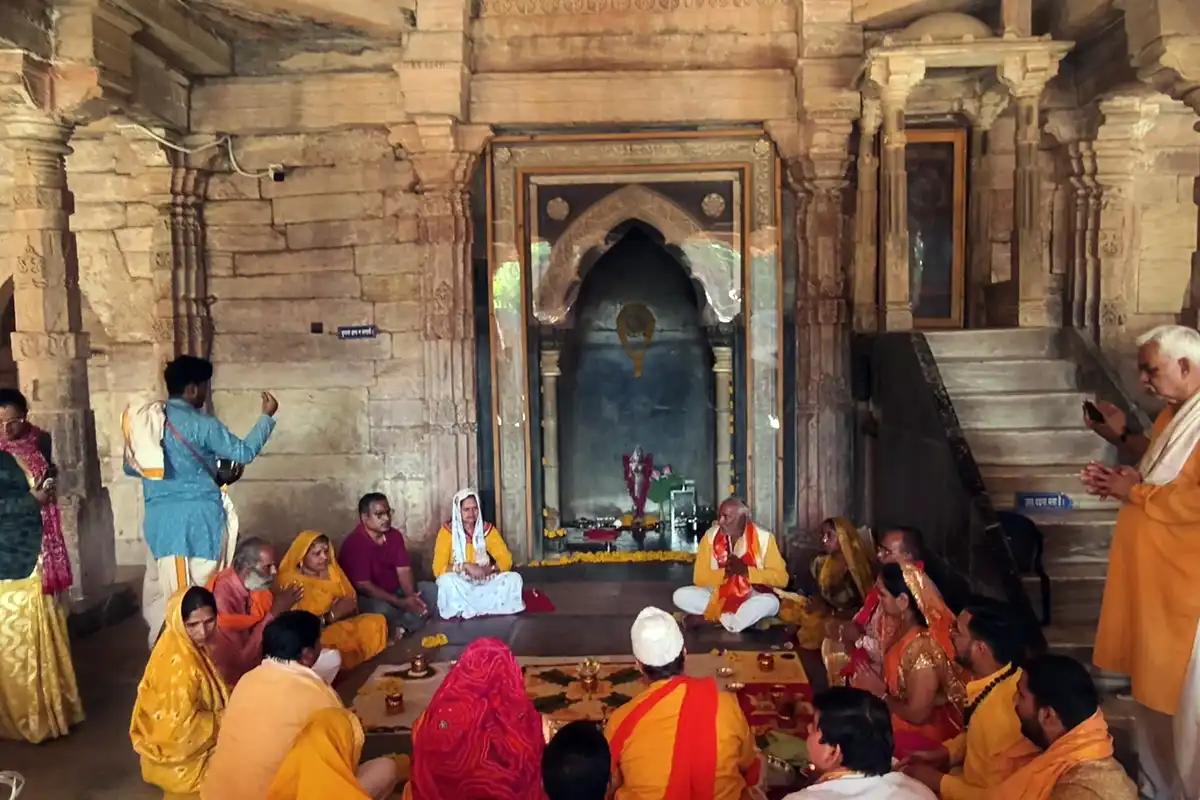
A muezzin whose family has called prayers from the same mosque for generations watched a court hand it to someone else. This is not an isolated ruling. It is a pattern with a direction.
A court in Madhya Pradesh, India has ruled that the historic Kamal Maula Mosque — a centuries-old Islamic site — should be classified as a Hindu temple, granting Hindus legal permission to conduct worship inside its premises. The ruling, reported by Al Jazeera, has drawn immediate international attention and condemnation from legal scholars, historians, and religious freedom advocates.
The mosque’s muezzin, Rafiq, told Al Jazeera that his family has maintained the mosque and called the adhan from its minaret for generations — predating British colonial rule. The court’s decision, he said, has stripped his family of a custodial responsibility that spanned centuries.
The Legal Architecture Behind the Ruling
India’s Places of Worship (Special Provisions) Act of 1991 was designed precisely to prevent this kind of dispute. The law froze the religious character of all places of worship as they existed on August 15, 1947 — Independence Day — prohibiting their conversion from one religion to another. It explicitly sought to prevent the Babri Masjid demolition precedent from being replicated across the country.
The Supreme Court’s 2019 Ayodhya judgment — which awarded the Babri Masjid site to Hindu petitioners despite acknowledging the mosque’s demolition was illegal — created a template that lower courts and Hindu nationalist legal organizations have been using systematically. Cases challenging mosques, dargahs, and Islamic sites on the grounds of alleged pre-Islamic Hindu origins have multiplied across multiple states since 2019.
The Kamal Maula ruling is the latest in this sequence.
What Happened After the Ruling
Following the court’s order, images circulated showing Hindu nationalist groups entering the mosque premises, raising saffron flags associated with Hindutva movements on the mosque’s walls, and conducting religious ceremonies inside. The visual documentation of a functioning mosque being treated as a conquered site has generated significant reaction internationally.
American historian Audrey Truschke, a specialist in Mughal history, characterized the targeting of mosques for conversion or demolition as reflecting deep Islamophobia embedded in Hindu nationalist ideology — a pattern of erasing Islamic historical presence from India’s physical landscape.
The Broader Pattern
The Kamal Maula case is not singular. Similar legal challenges are active against the Gyanvapi Mosque in Varanasi, the Shahi Eidgah in Mathura, and dozens of smaller sites across India. Each case follows a similar structure: petitioners claim pre-Islamic Hindu origins, courts order surveys, surveys find architectural elements interpreted as evidence of Hindu temples, and worship access is granted.
India’s constitutional secularism guarantees equal protection to all religious communities. The 1991 Places of Worship Act was Parliament’s attempt to make that guarantee operational for religious sites specifically.
Both are increasingly tested by rulings like this one.
Disclaimer; Based on Al Jazeera reporting and open-source Indian constitutional law analysis.
Catch all the World News, Breaking News Event and Trending News Updates on GTV News
Join Our Whatsapp Channel GTV Whatsapp Official Channel to get the Daily News Update & Follow us on Google News.
Must Read

Pakistan
PM Shehbaz Sharif Hails Pakistan-China Ties at Chinese National Day Ceremony
30-September،2026


World
Iraqi Resistance Groups Welcome US Withdrawal, Call for Air Defense Strengthening
30-September،2026