
Iran’s Khatam al-Anbiya Command; Any New Aggression Gets a Response ‘Far More Devastating’ Than Before

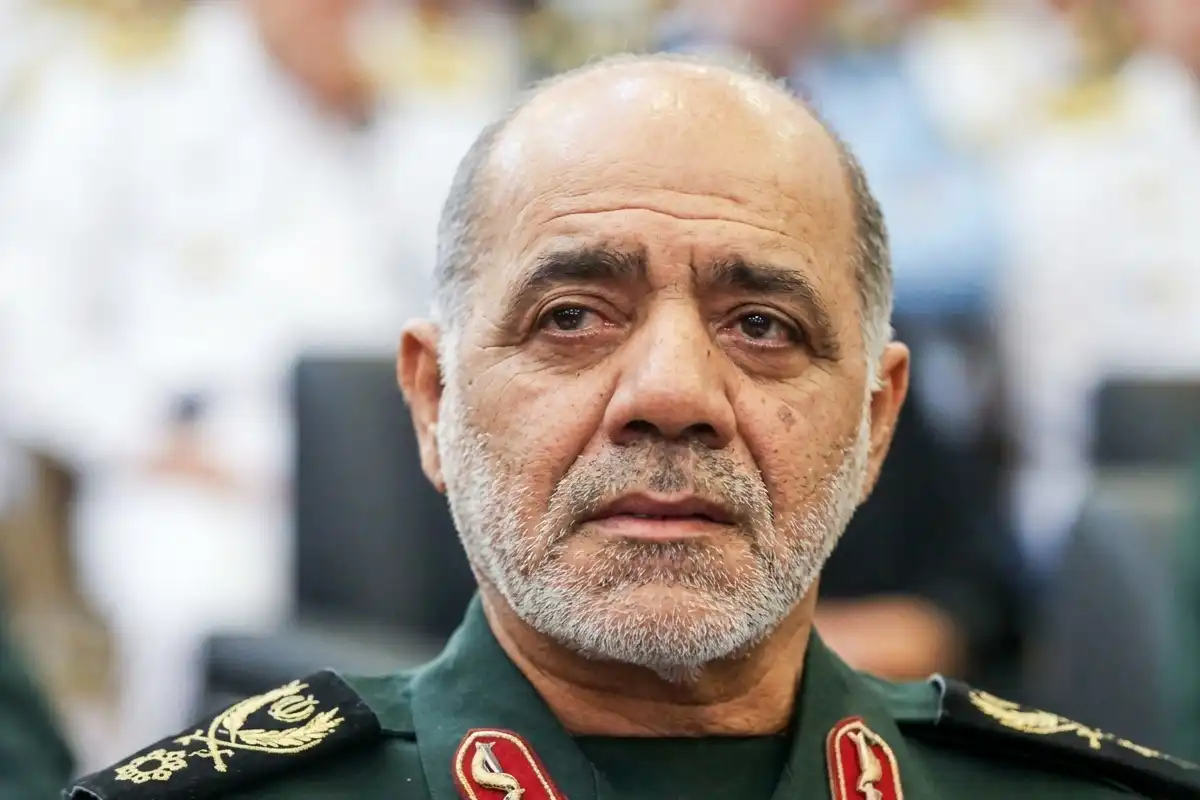
Major General Abdollahi is not issuing a threat. He is issuing a deterrence specification — and the distinction matters for understanding where this ceasefire stands.
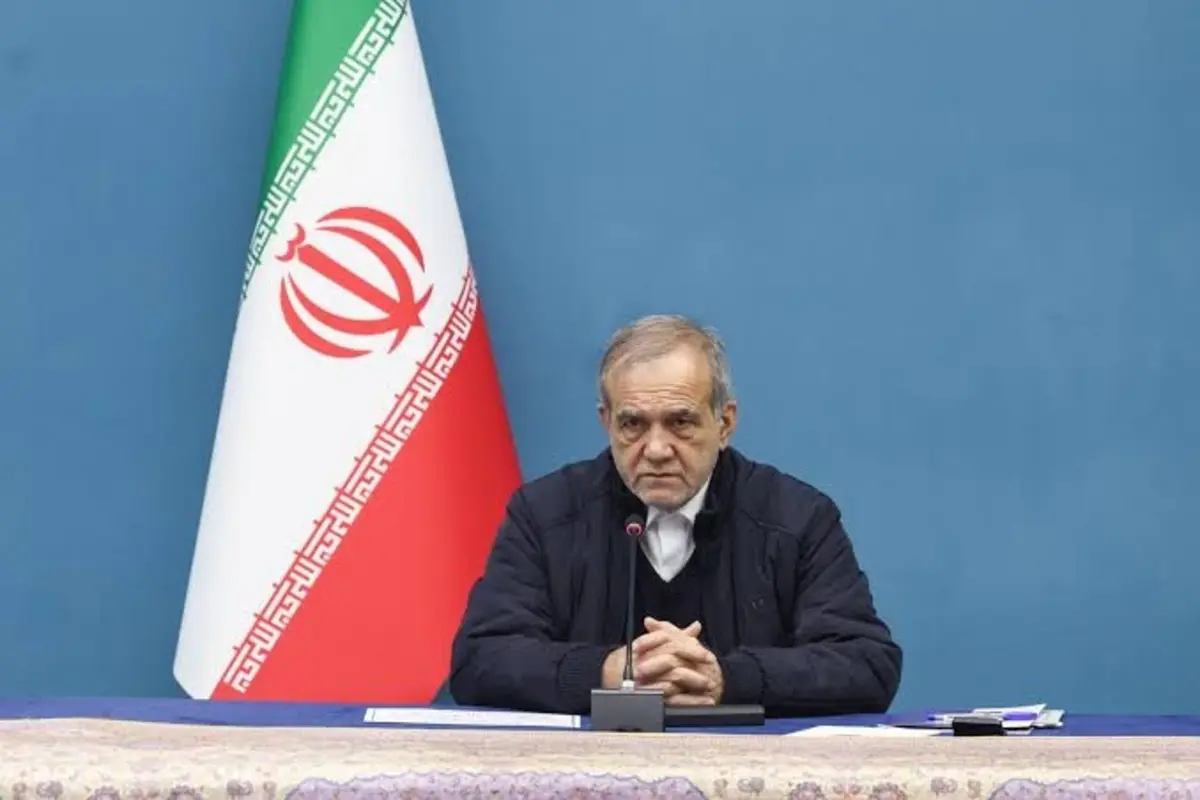
Major General Ali Abdollahi, senior commander of Iran’s Khatam al-Anbiya Central Headquarters — the unified military command that coordinated Iran’s retaliatory strikes during the 40-day conflict — has issued a formal warning to the United States and its regional allies: any new military action against Iran will be met with a response significantly more intense and devastating than anything seen during the February 28 to April 7 campaign.
His specific language: Iranian armed forces are at their “most prepared state in history,” their hands are on the trigger, and any enemy should harbor no illusions about the consequences of another strategic miscalculation.
Why Khatam al-Anbiya Statements Carry Operational Weight
The Khatam al-Anbiya Central Headquarters is not a communications office. It is the operational command structure that directed Iran’s 100 documented waves of retaliatory strikes against American and Israeli targets during the conflict. When its senior commanders issue warnings, they are speaking from the institution that would actually execute the response they are describing.
This distinguishes Abdollahi’s statement from political rhetoric. It is the military command authority responsible for strike operations telling potential adversaries what will happen if they act — not a politician describing what Iran might do, but a commander describing what his forces are positioned and ordered to do.
The “More Devastating” Claim and What Supports It
Abdollahi’s assertion that Iran’s response capability is greater now than during the initial conflict is not empty posturing given the available evidence. Classified US intelligence assessments confirmed that 30 of 33 Strait of Hormuz missile sites are operational, nearly 90 percent of underground launch facilities are functional, and Iran retains approximately 70 percent of its pre-war missile stockpile — despite having fired hundreds of missiles across 100 retaliatory waves.
IRGC Aerospace Force Commander Brigadier General Majid Mousavi stated separately that replenishment rates during the ceasefire have exceeded pre-war production levels. If both assessments are accurate, Iran enters any hypothetical second round with a reconstituted and in some respects expanded capability compared to what it had on February 27.
“More devastating” is therefore not a rhetorical escalation. It is a mathematical description of what a second conflict would look like given current stockpile and facility status.
The Deterrence Communication Being Sent
Abdollahi’s statement is timed against a specific threat: Fox News reporting that the Pentagon and White House are developing Operation Sledgehammer — a potential third military campaign targeting Iran’s nuclear infrastructure. Iranian military commanders are aware of these reports and are responding through the channel they control: public deterrence communication delivered through credible institutional voices.
The message is constructed for a specific audience in Washington’s national security apparatus — the people who would actually plan and authorize another military campaign. It tells them: the target has reconstituted, the command is ready, and the response will be qualitatively different from what American planners experienced in round one.
Whether Washington hears that message accurately will determine whether the ceasefire holds.
Disclaimer; Based on Major General Abdollahi’s publicly reported statements and open-source Iranian military analysis.
Catch all the World News, Breaking News Event and Trending News Updates on GTV News
Join Our Whatsapp Channel GTV Whatsapp Official Channel to get the Daily News Update & Follow us on Google News.
Must Read
Pakistan
PM Shehbaz Sharif Hails Pakistan-China Ties at Chinese National Day Ceremony
30-September،2026

World
Iraqi Resistance Groups Welcome US Withdrawal, Call for Air Defense Strengthening
30-September،2026