
Iran-US Peace Framework: A Four-Phase Deal Structure With a Joint Monitoring Committee – And One Non-Negotiable Condition

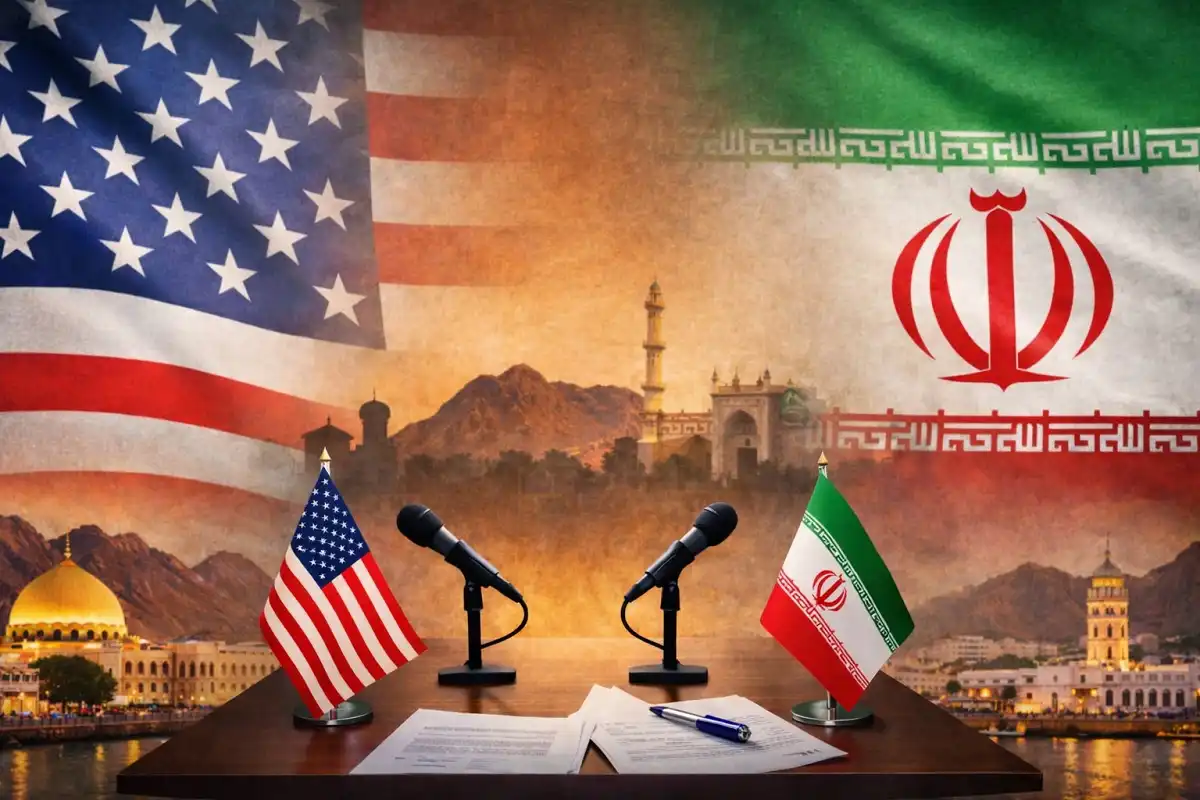
For the first time, Iran’s negotiating team has put a specific architecture on the table. Understanding what each phase requires reveals exactly where the deal could succeed — and where it could collapse.
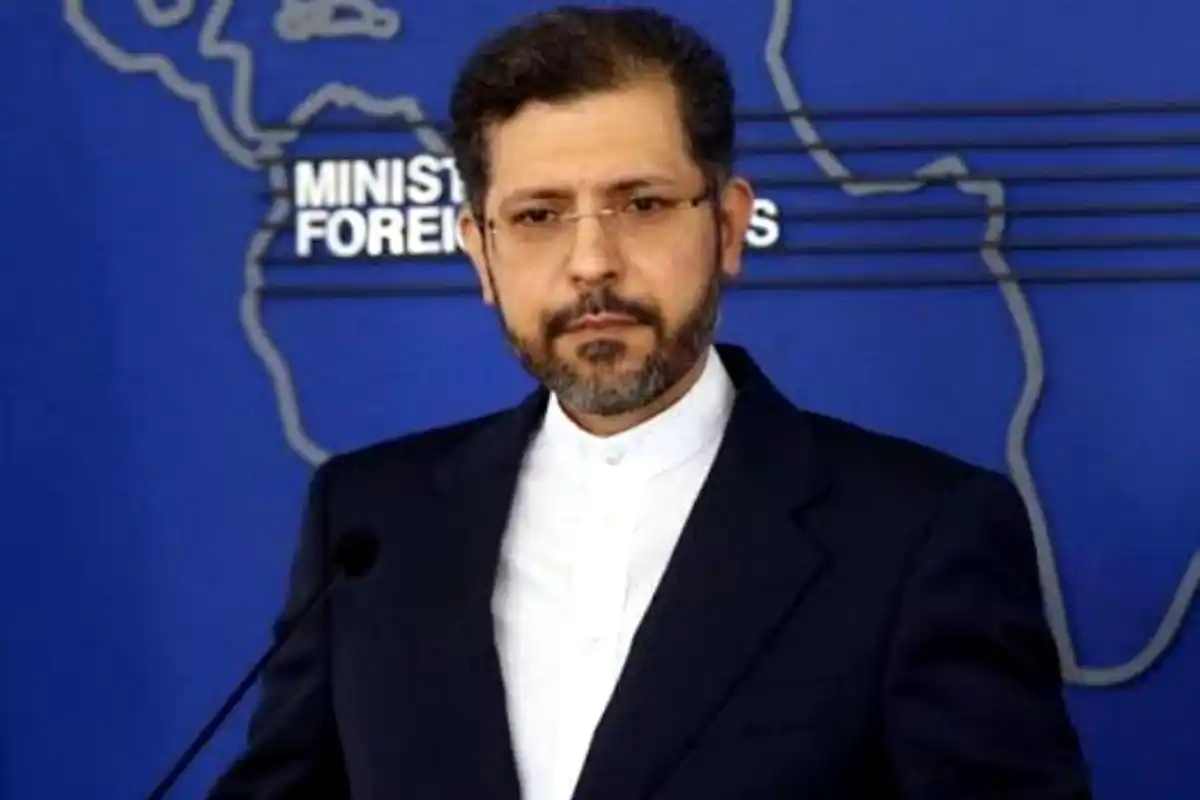
Sources close to Iran’s negotiating delegation have outlined a detailed four-phase framework for a potential US-Iran agreement, including plans for a joint implementation monitoring committee. Iranian media team member Saeed Ajorloo provided the structural breakdown — the most specific public account yet of what Tehran is actually proposing at the negotiating table.
Phase One: Universal Ceasefire
The framework opens with a comprehensive ceasefire across all active fronts — not a selective pause, but a simultaneous halt to military operations wherever Iranian-linked forces and US or Israeli forces are engaged. This includes Lebanon, which Iran has explicitly designated as a prerequisite condition rather than a negotiating variable.
Ajorloo stated clearly: a ceasefire in Lebanon is Iran’s foundational demand. Tehran views the Lebanese and Iranian fronts as operationally and strategically inseparable. Any framework that addresses the Iran-US bilateral dimension while leaving Lebanon’s conflict active is, from Tehran’s perspective, not a framework at all.
Phase Two: Hormuz Resolution and Economic Relief
The second phase addresses the economic architecture of confrontation. Under this stage, US sanctions on Iran’s oil sector would be lifted, the naval blockade of Iranian vessels and ports would end, and a portion of Iran’s frozen overseas assets would be unfrozen and returned.
The Strait of Hormuz — currently operating under Iran’s Persian Gulf Strait Authority controls — would be normalized as part of this economic de-escalation package. For global energy markets, this is the phase that matters most immediately. Hormuz normalization alone would relieve the supply pressure currently driving oil prices toward recession-triggering thresholds.
Phase Three: Sanctions Removal and Nuclear Negotiations
The third phase opens formal diplomatic tracks on two parallel issues — comprehensive sanctions removal and the nuclear file. Critically, Iran has sequenced these after economic relief, not before. Tehran is not offering nuclear concessions as a prerequisite for sanctions relief; it is offering to discuss nuclear arrangements once sanctions relief has already begun materializing.
This sequencing directly inverts the traditional Western negotiating position, which has historically demanded nuclear compliance before delivering economic rewards. Whether Washington accepts this sequencing will likely determine whether Phase Three is reached at all.
Phase Four: Joint Monitoring Commission
The final phase establishes a permanent oversight mechanism — a joint commission to monitor implementation of all preceding commitments. Iran has expressed a clear preference for including friendly nations within this commission structure, suggesting it wants multilateral witnesses to agreement compliance rather than a bilateral US-Iran verification arrangement that Tehran would view as asymmetrically favorable to Washington.
The composition of this commission — which countries qualify as acceptable monitors — will itself become a negotiating battleground.
What Makes This Framework Credible — and Fragile
The four-phase structure reflects sophisticated negotiating architecture. Each phase delivers something tangible to both sides before the next phase begins, creating incremental trust-building rather than requiring a single comprehensive leap of faith. That design lesson comes directly from the failure mode of the 2015 JCPOA, which collapsed partly because its benefits and obligations were bundled rather than sequenced.
The fragility lies in Lebanon. Iran has made Hezbollah’s ceasefire a gateway condition — meaning Israel’s operational decisions in Lebanon directly control whether US-Iran talks can even reach Phase One. Washington must either deliver Israeli restraint in Lebanon or convince Tehran to delink the two tracks. Neither option is straightforward.
The Clock Pressure
Moody’s Analytics has publicly stated the US economy needs a diplomatic breakthrough within days to avoid recession-level energy price escalation. Iran’s four-phase framework exists — but navigating its sequencing, its Lebanon precondition, and its monitoring committee composition within that compressed timeline is an enormous diplomatic undertaking.
The architecture is on the table. Whether the political will exists on both sides to build within it is the only question that now matters.
Catch all the World News, Breaking News Event and Trending News Updates on GTV News
Join Our Whatsapp Channel GTV Whatsapp Official Channel to get the Daily News Update & Follow us on Google News.
Must Read