
3 Indians Killed in US; Modi’s Foreign Policy Faces Scrutiny From Within as America Refuses to Apologize

When a supposed strategic partner kills your sailors and won’t say sorry, the silence from your own government becomes the story.
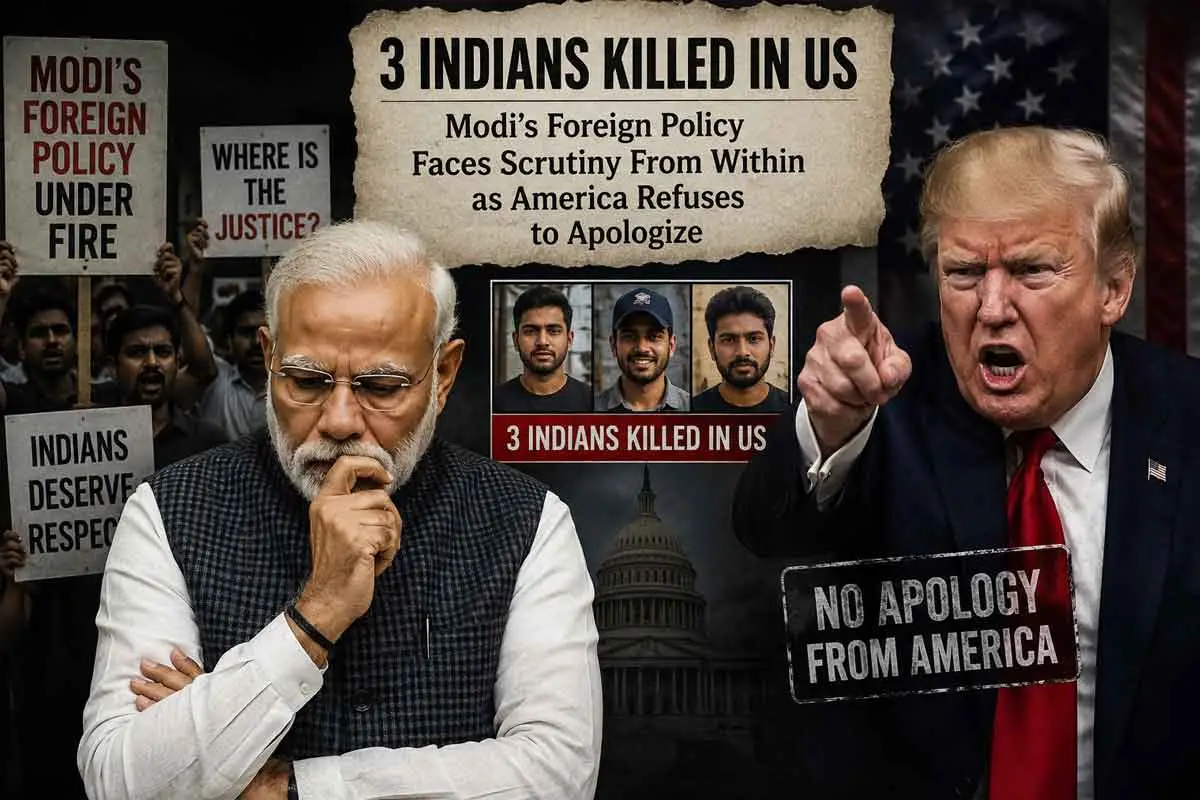
India is facing a moment of sharp domestic reckoning after three Indian sailors were killed in a US military strike, with the Modi government choosing to attend the G7 Summit while Washington has explicitly refused to apologize — and voices inside India, including a retired general closely associated with Modi’s own ideological circles, are demanding accountability.
What Happened
According to The Guardian, US forces struck vessels involved in what Washington described as sanctions-busting Iranian oil transfers. Three Indian nationals serving as crew members were killed in the operation. The US position is that the action was legally justified under its Iran sanctions enforcement framework — and it has declined India’s request for an apology.
India has not publicly disputed the American account of the incident. It has also not withdrawn from the G7 process or issued any formal diplomatic consequence against Washington.
The Voice From Within Modi’s Own Camp
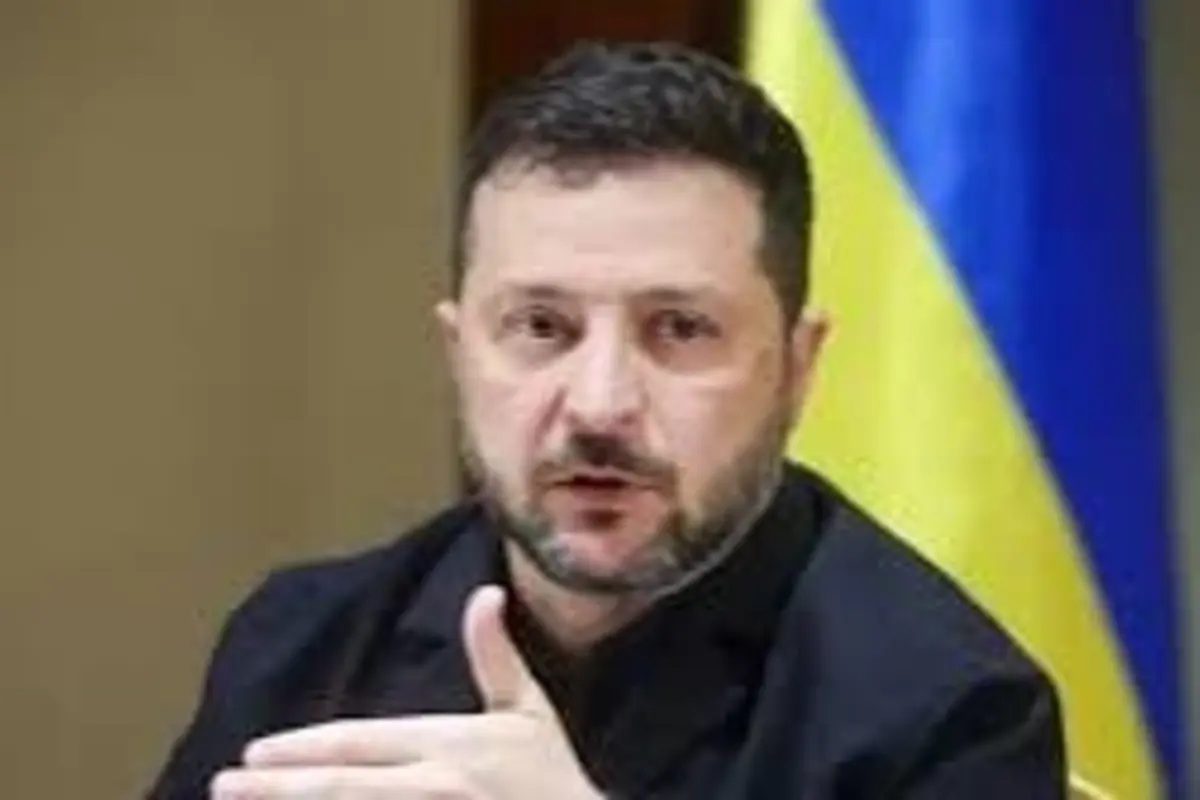
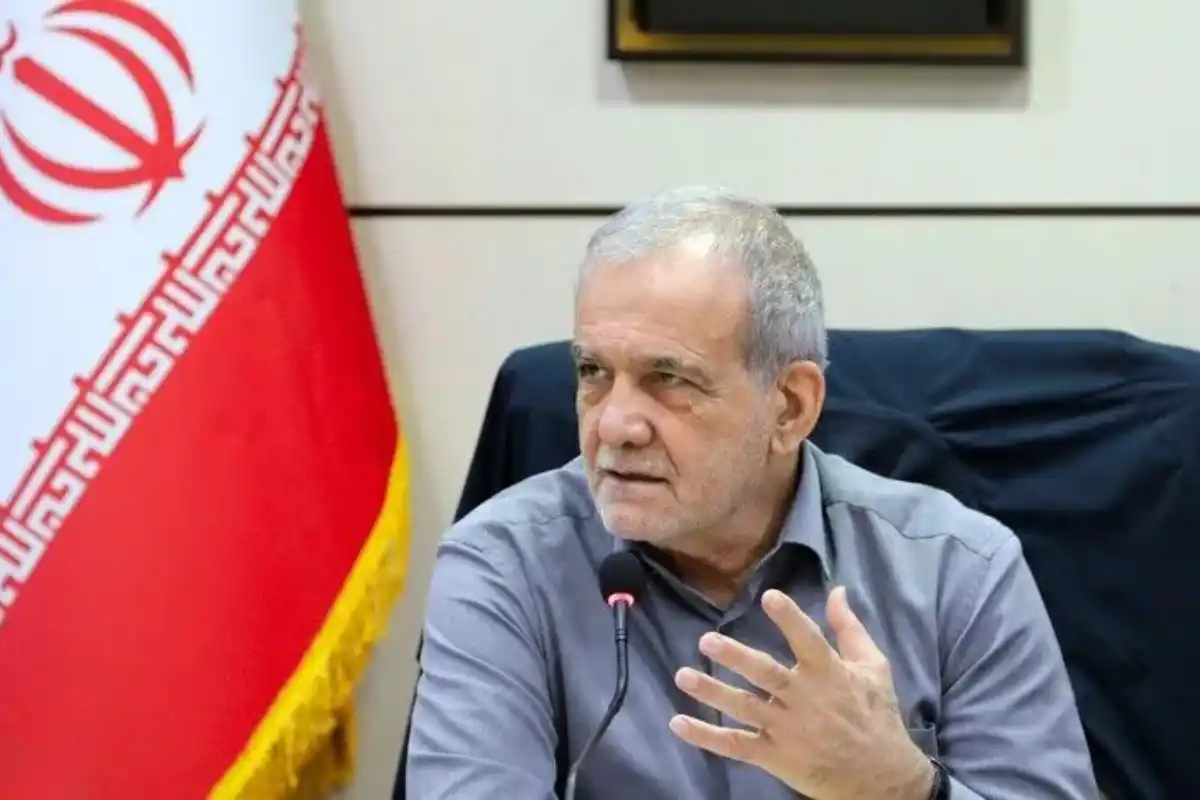
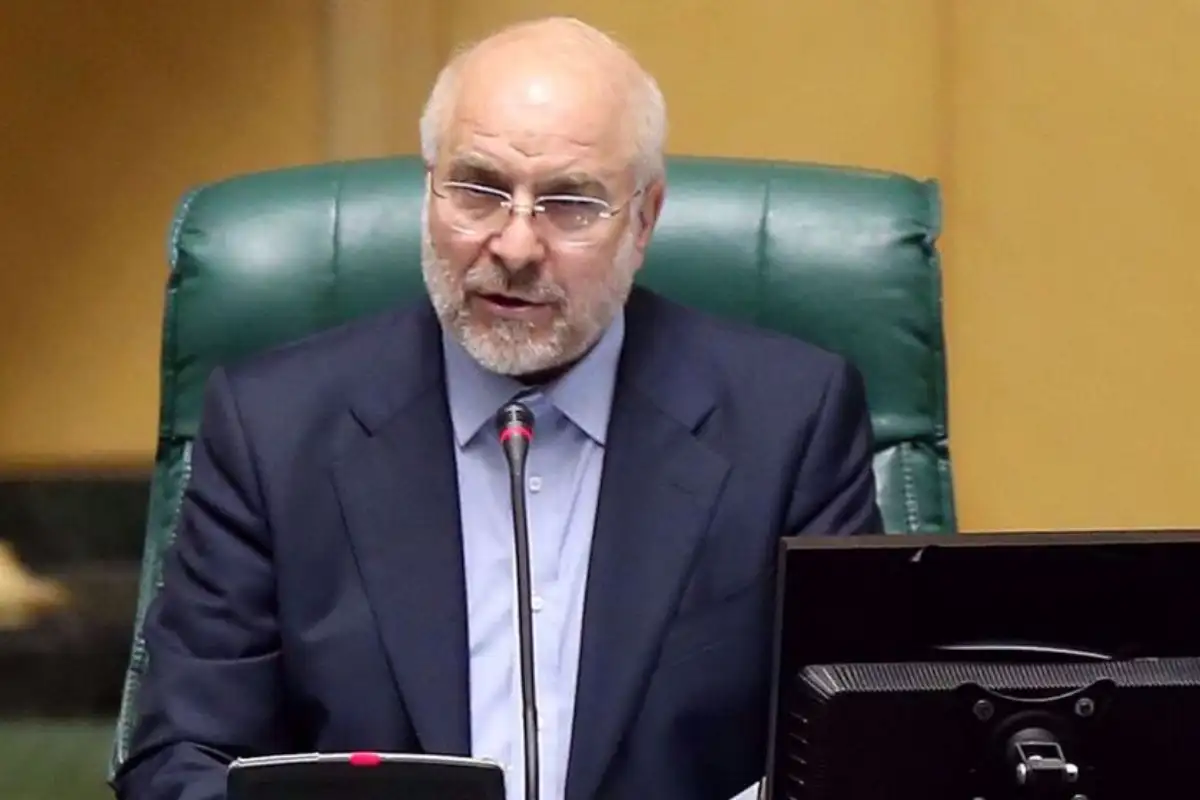
The most politically significant response has not come from the opposition. Retired Major General GD Bakshi — a figure associated with nationalist commentary broadly sympathetic to the Modi government’s worldview — issued a striking public statement declaring that India now stands with Iran following the killing of Indian citizens.
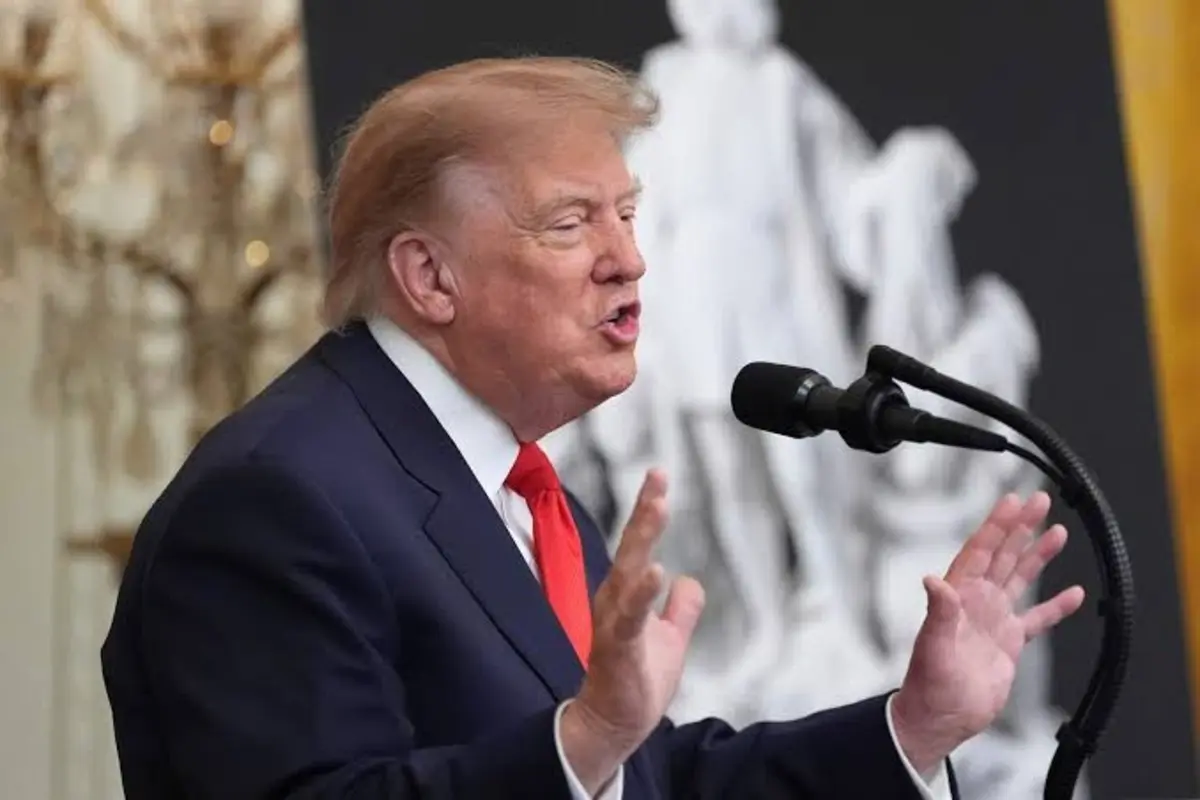
Bakshi’s criticism targeted both Trump and Modi simultaneously. He argued that Indian lives cannot be treated as expendable by American military operations while the Indian Prime Minister prepares for summit appearances with the same government that killed them. The statement carries weight precisely because of its source — a retired senior military officer with nationalist credentials who cannot be dismissed as opposition point-scoring.
The Chabahar Retreat Context
International analysts cited in the coverage point to a broader pattern that gives the current incident additional weight. India had invested significantly in Iran’s Chabahar Port as a strategic alternative trade corridor — a project representing years of diplomatic and financial commitment. Under American pressure, India quietly stepped back from that commitment, effectively surrendering a strategic asset to preserve Washington’s approval.
The sequence — retreat from Chabahar under US pressure, then US strikes killing Indian sailors without apology — presents a foreign policy narrative that critics argue demonstrates the asymmetry of the relationship. India made concessions. India received nothing resembling reciprocal consideration.
The Strategic Autonomy Question
India has long positioned its foreign policy under the concept of strategic autonomy — the ability to maintain independent relationships with multiple powers without subordinating national interest to any single alliance. The Modi government has cited this principle repeatedly, including in its continued energy trade with Russia following the Ukraine invasion.
The Chabahar retreat under US pressure and the muted response to Indian sailor deaths now sit uncomfortably against that strategic autonomy claim. External affairs analysts quoted in The Guardian suggest that India’s actual policy increasingly resembles managed deference to Washington dressed in the language of independence.
Modi at G7 While India Grieves
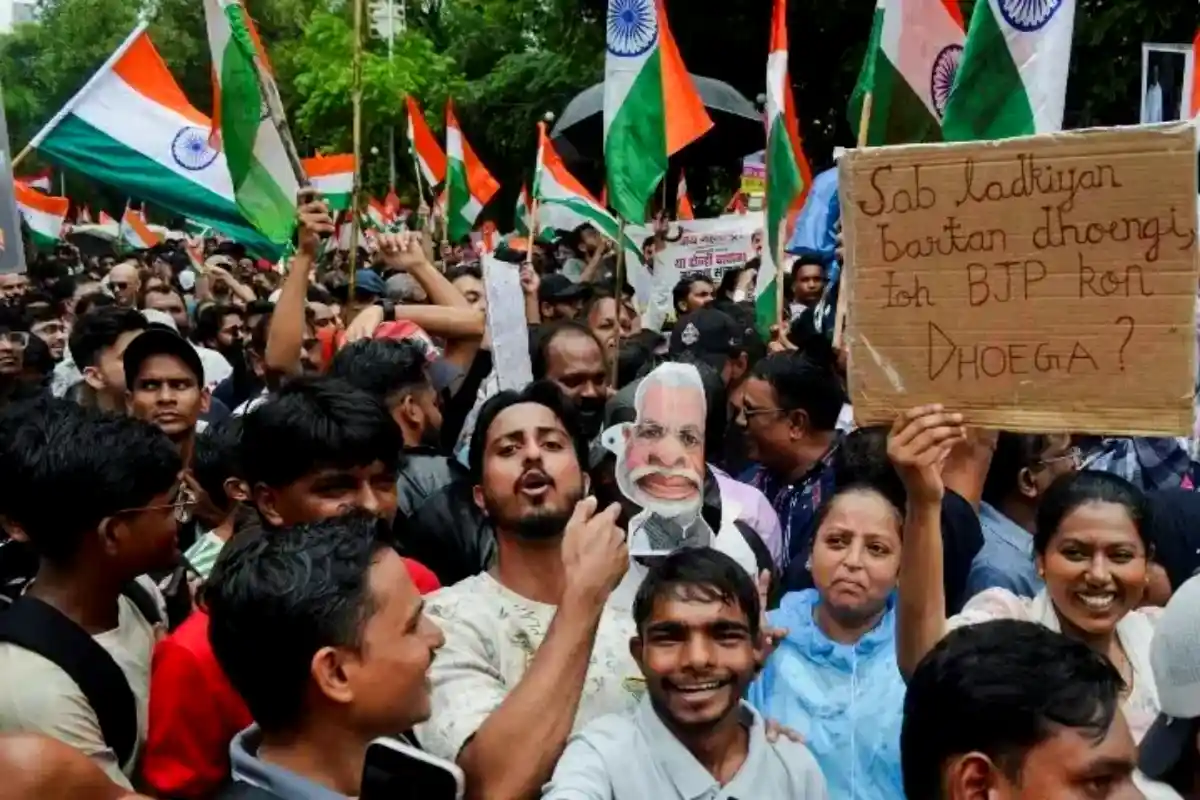
The optics of Prime Minister Modi attending G7 Summit proceedings while Indian families mourn sailors killed by a G7 member state’s military operation — and while that state refuses to apologize — has generated significant domestic commentary. Opposition parties and now figures from the nationalist commentariat are asking the same question: what does Indian strategic partnership with America actually deliver for Indian citizens?
What Comes Next
India faces a genuine policy choice. Continued silence risks establishing a precedent that American military operations can kill Indian nationals without diplomatic consequence. Formal protest risks complicating the relationship that Modi has built significant political capital around cultivating.
The retired general has already chosen his position. The question is whether the government will find a response that goes beyond attendance at summits.
Catch all the World News, Breaking News Event and Trending News Updates on GTV News
Join Our Whatsapp Channel GTV Whatsapp Official Channel to get the Daily News Update & Follow us on Google News.
Must Read
Pakistan
Development Activities Continue Under Balochistan Special Development Initiative
10-October،2026