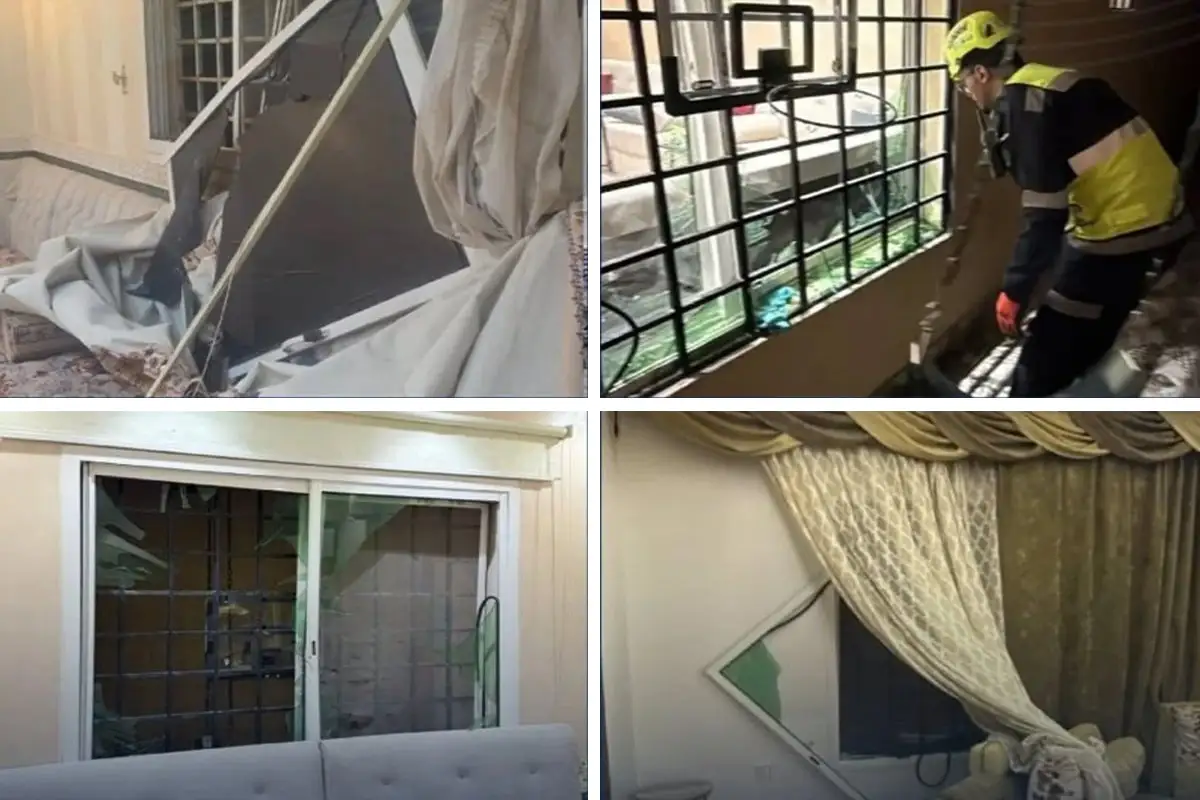

3 killed, 5 injured in school shooting in Philippines


The Tacloban school shooting isn’t just another tragedy—it’s evidence that structural safeguards preventing youth gun violence in the Philippines are deteriorating faster than authorities acknowledge. That a Grade 9 student accessed functional firearms and convinced a peer to participate suggests systemic failures across family oversight, school security, and firearms regulation enforcement.
The Philippines has historically avoided America’s epidemic of school shootings despite widespread gun ownership and gang violence. This protection derived from specific factors: cultural emphasis on family authority, limited youth access to unsecured firearms, and geographic isolation of firearms from school environments. The Tacloban incident suggests all three barriers are crumbling simultaneously.
How a 14-year-old obtains operational .38-caliber and 9mm firearms demands investigation beyond police platitudes about “ongoing investigation.” Either a family member provided access through negligent storage, or the minor acquired weapons through illegal channels—each scenario signals different systemic breakdowns. Negligent family oversight indicates weakening parental control structures. Black-market firearm access indicates expanding criminal networks infiltrating youth populations.
The second suspect’s “surrender” timing matters operationally. Did he voluntarily surrender expressing remorse, or did he surrender after realizing the shooting would trigger police manhunts? The distinction determines whether this reflects impulsive youth violence or premeditated violence by individuals sophisticated enough to plan exit strategies. Early reporting suggests impulsivity, but interrogation details will clarify intent.
Tacloban’s socioeconomic context requires analysis. The city experienced devastating typhoon damage in 2013, with recovery processes still incomplete. Persistent poverty, limited economic opportunity, and intergenerational trauma create environments where youth develop grievance narratives. Access to firearms combined with acute despair produces exactly this outcome: sudden, inexplicable violence against institutional targets.
The 2022 Ateneo de Manila University shooting in Quezon City preceded this incident by four years—sufficient time for potential contagion effects. School shooting incidents generate extensive media coverage, creating visibility for copycat perpetrators. The four-year gap without similar incidents suggested Philippine protective factors remained intact. Tacloban contradicts that assumption.
School security vulnerabilities in the Philippines remain severe. Most public schools lack metal detectors, armed security, or controlled access points. San Jose National High School, serving hundreds of students, operated with standard Philippine security: basic perimeter fencing and unarmed watchmen. Against armed shooters, such defenses prove worthless. Hardening schools requires capital investment the Philippines’ education budget cannot accommodate.
The arrested suspects’ ages raise juvenile justice complications. Philippine law treats minors differently, with rehabilitation emphasis over punishment. Yet this incident involved two minors or near-minors deliberately acquiring firearms and committing mass violence. Whether rehabilitation frameworks adequately address such severity remains contested. Early detention and interrogation will reveal whether radicalization, gang recruitment, or personal grievance motivated their actions.
Regional implications warrant attention. Malaysia and Indonesia have experienced scattered school violence incidents. Thailand confronted youth gang violence extensively. The Philippines previously distinguished itself through relative absence of such incidents. Tacloban potentially signals convergence with regional violence patterns rather than continued exceptionalism.
Media responsibility compounds the problem. Detailed coverage of school shooting circumstances, suspect backgrounds, and weapon specifications creates blueprints for subsequent perpetrators. Philippine media outlets must balance public information rights against contagion risks—a balance rarely achieved effectively.
The fundamental question: Is this isolated incident reflecting individual pathology, or the first evidence that protective factors preventing Philippine school shootings have permanently eroded? Four years separated incidents suggest possibility of emerging pattern. Authorities must investigate not just what happened, but why structural safeguards failed to prevent it. Without addressing root causes—youth access to firearms, family oversight deterioration, socioeconomic despair, and school security gaps—Tacloban becomes precedent rather than aberration.
Catch all the World News, Breaking News Event and Trending News Updates on GTV News
Join Our Whatsapp Channel GTV Whatsapp Official Channel to get the Daily News Update & Follow us on Google News.
Must Read

Pakistan
GTV News MD Meets Acting Chinese Consul General in Karachi to Celebrate Pak-China Friendship
14-October،2026