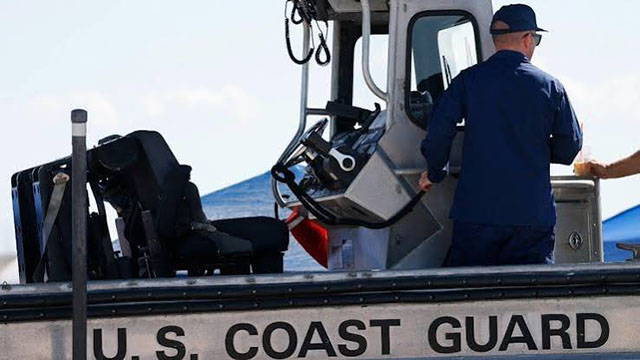

American Soldiers Accuse Commanders of Abandoning Wounded During Iranian Kuwait Strike

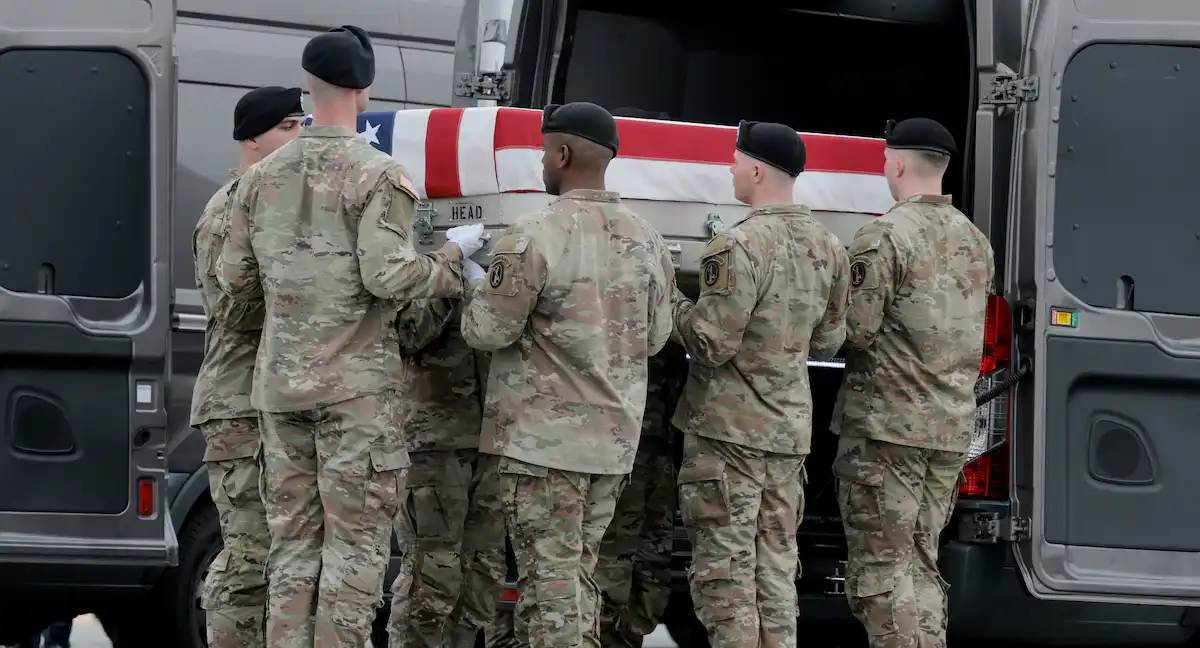
American service members who survived an Iranian missile strike on a Kuwait military base have leveled serious accusations against senior commanders, claiming they abandoned wounded personnel during the attack and fled the facility without coordinating medical evacuation or emergency response.
The Washington Post published investigative findings documenting soldier testimonies regarding the March incident that killed six Americans and wounded 30 others. Survivors reported that military leadership received repeated security warnings before the strike but disregarded protective measures, leaving troops stationed in what soldiers characterize as inadequately defended positions.
The most damning allegation involved command abandonment during active bombardment. According to soldier accounts, senior commanders evacuated the building as Iranian missiles struck, leaving wounded personnel without immediate assistance or evacuation coordination. Rather than directing emergency medical response, officers prioritized personal safety—a failure compounded by the absence of effective casualty care systems.
Soldiers emphasized that leadership had advance knowledge regarding base vulnerability. Despite documented warnings about inadequate defensive infrastructure, military officials made no meaningful improvements to force protection measures. The pattern suggests institutional negligence rather than unforeseen operational challenges.
Pentagon Investigation and Accountability Gaps
Pentagon internal investigations concluded following the strike but resulted in no officer accountability. No commander faced disciplinary recommendation, and institutional culpability remained undocumented in official findings. This absence of consequences generated profound frustration among families of deceased soldiers who viewed the investigation as whitewashing rather than accountability examination.
The March attack represented a direct Iranian response to American military operations. The strike demonstrated Iranian capability to penetrate American-defended positions, contradicting Pentagon claims regarding base security adequacy. Yet military leadership imposed no operational consequences for the protection failures that enabled Iranian success.
Families of killed soldiers expressed anger toward Pentagon institutional responses. Rather than investigating command failures, the military appeared focused on managing reputational damage through investigation processes designed to minimize external accountability. This approach conveyed to bereaved families that military careerism superseded honest assessment of leadership failures.
Systemic Failures and Command Culture
The Kuwait incident reflects broader military culture where leadership shields itself from consequences despite documented failures. When commanders abandon subordinates during combat conditions, institutional protection mechanisms activate—investigating procedures that produce predetermined conclusions exonerating leadership.
Soldier testimony documents specific failure points: advance warning ignored, defensive systems inadequate, evacuation procedures absent, medical response uncoordinated. Each failure individually represents command negligence; collectively they demonstrate systemic indifference to personnel protection.
The absence of disciplinary action sends organizational messaging that commanders bear no consequences for abandoning troops. This culture perpetuates dangerous practices undermining unit cohesion and soldier confidence in leadership judgment.
Catch all the World News, Breaking News Event and Trending News Updates on GTV News
Join Our Whatsapp Channel GTV Whatsapp Official Channel to get the Daily News Update & Follow us on Google News.
Must Read


Pakistan
Naqvi Says KP Government Backed Out of Security Commitments During Final Talks
4-October،2026