
Modi Government Faces Criticism Over Rising Deaths of Indians Abroad Amid Foreign Policy Concerns

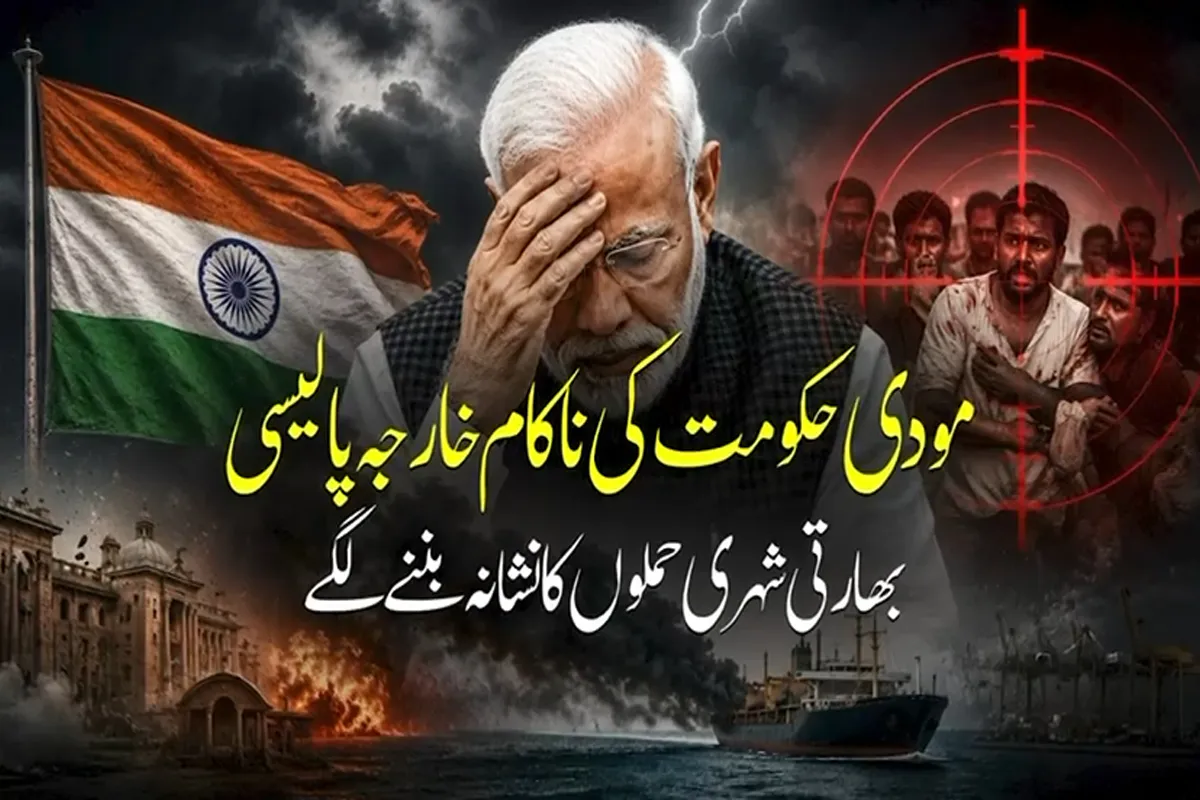
Indian sailors and workers abroad have been killed in a string of recent attacks across multiple conflict zones, prompting scrutiny of how India protects its citizens working overseas amid escalating regional conflicts.
According to Reuters, four Indians were killed and one wounded in an attack on a ship that had departed from Odesa, Ukraine’s southern port.
Separately, Reuters reported that Russia struck a Guinea-Bissau-flagged vessel with cruise missiles while Indian crew members were aboard. Additional Indian casualties have occurred amid the ongoing US-Iran conflict, with several Indians reported killed during attacks on shipping in the Strait of Hormuz since fighting escalated. Last month, three Indian sailors were killed in a separate attack on an oil tanker in the Gulf of Oman.
The pattern reflects a structural vulnerability tied to India’s outsized role in global shipping labor. Indian nationals make up one of the largest segments of the world’s commercial maritime workforce, crewing vessels that operate across virtually every major shipping lane and conflict-adjacent waterway — a presence that places large numbers of Indian citizens in harm’s way whenever maritime routes like the Black Sea, Strait of Hormuz, or Gulf of Oman become active war zones, regardless of India’s own diplomatic stance in those conflicts.
Critics cited in Indian media have characterized the recurring casualties as reflecting failures in the Modi government’s security and foreign policy approach — a framing that reflects those critics’ political assessment rather than a neutral accounting of the situation. Supporters of the government would likely note that protecting seafarers aboard foreign-flagged commercial vessels transiting active conflict zones presents an inherently difficult challenge for any government, given that India has no direct jurisdiction or military control over these vessels’ routing decisions, which are typically made by shipping companies and vessel owners rather than the nationalities of individual crew members.
The overlapping crises — Russia’s war in Ukraine, the Israel-linked regional tensions, and now the expanding US-Iran conflict disrupting both Hormuz and Bab el-Mandeb — mean Indian seafarers face compounding risk exposure across multiple active fronts simultaneously, a situation without much historical precedent in terms of how many major maritime chokepoints are contested at once.
For India’s large seafaring workforce and their families, the practical concern extends beyond any single incident to whether shipping companies and international maritime insurers begin rerouting vessels away from these high-risk corridors, and whether India’s government pursues diplomatic channels to secure safe passage assurances for its citizens serving aboard foreign vessels — a policy lever that exists but has historically had limited practical effect once vessels are already transiting live conflict zones.
Catch all the World News, Breaking News Event and Trending News Updates on GTV News
Join Our Whatsapp Channel GTV Whatsapp Official Channel to get the Daily News Update & Follow us on Google News.
Must Read