
Pakistan Stands for Regional Diplomacy, New Ambassador Presents Credentials to Iran’s FM Araghchi

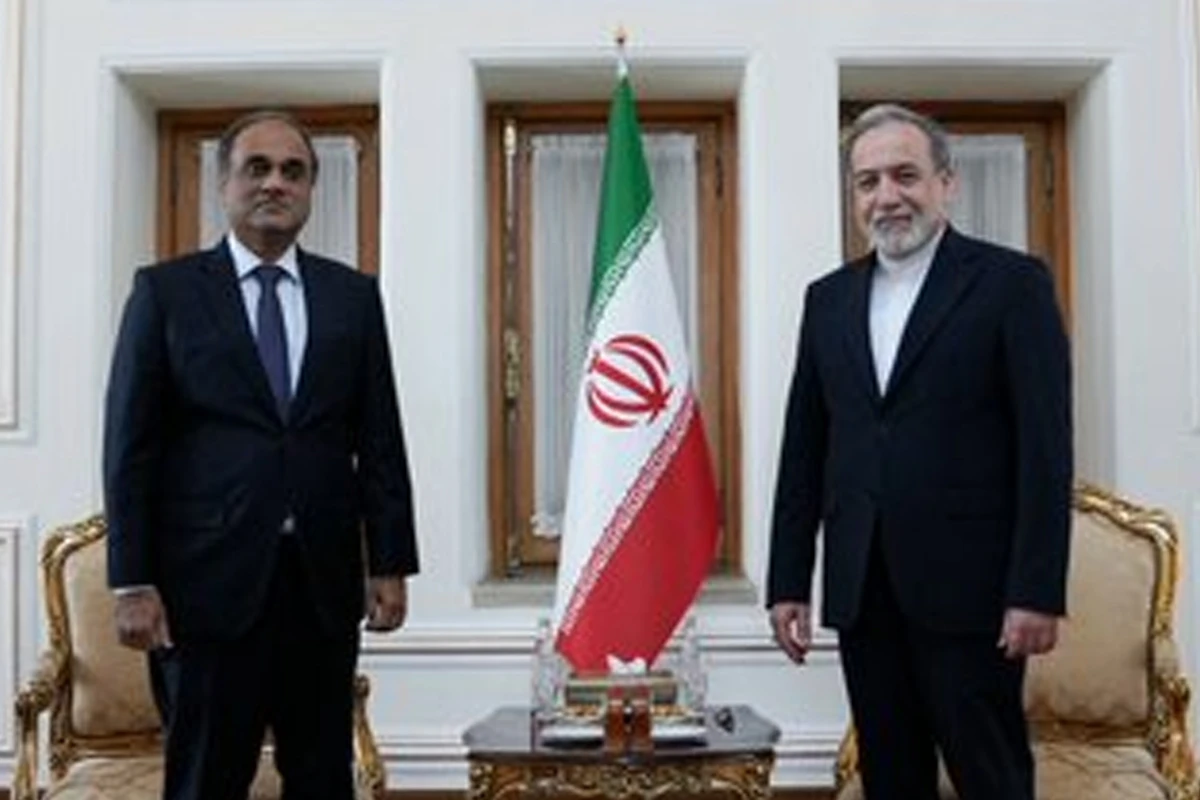
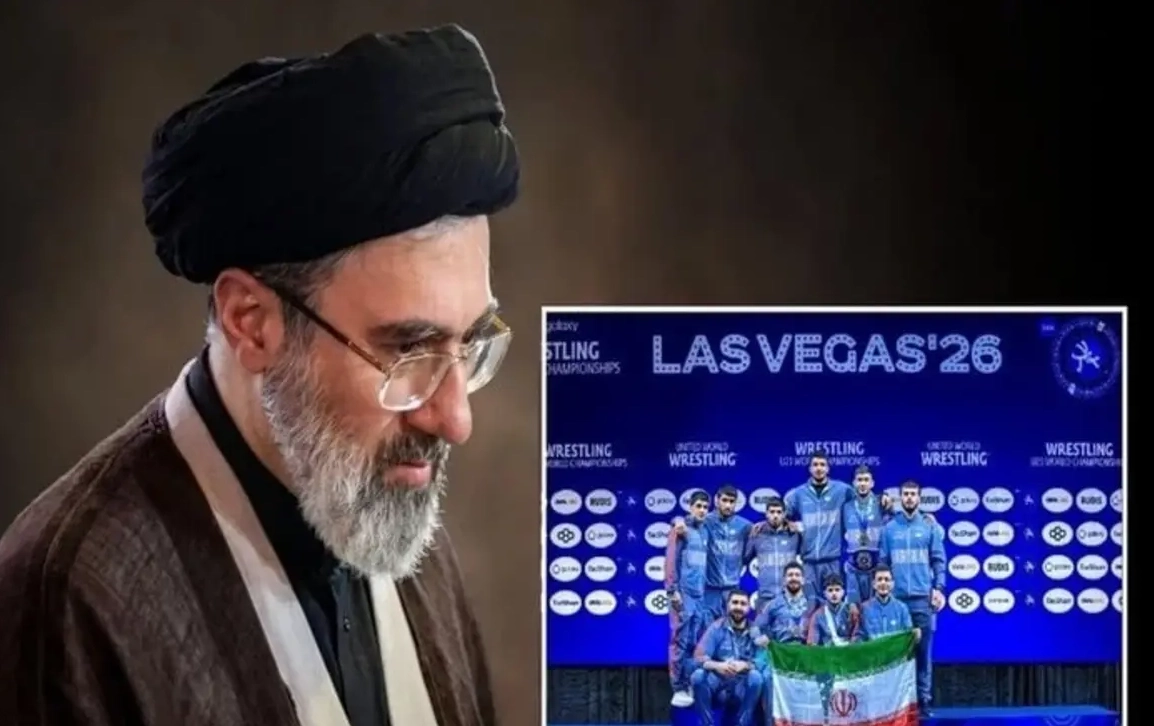
Pakistan’s newly appointed ambassador to Iran, Imran Ahmed Siddiqui, presented his credentials to Foreign Minister Abbas Araghchi in Tehran on Monday, a step both governments are framing as reinforcing a longstanding neighborly partnership at a moment when Iran faces sustained military pressure from the United States.
From Islamabad and Tehran’s shared vantage point, the timing carries deliberate symbolic weight. Pakistan has positioned itself as a rare voice of restraint and mediation throughout the current US-Iran conflict, helping broker an earlier memorandum of understanding and repeatedly calling on all parties to avoid violence and return to talks. Sending a new ambassador to Tehran now, rather than delaying amid the conflict, signals that Islamabad views its relationship with Iran as a priority to sustain rather than a liability to distance itself from — a position consistent with Pakistan’s broader Gulf diplomacy, which has included parallel outreach to Iranian, Saudi, and Qatari leadership in recent days.
For Iran, the meeting fits into a narrative its officials have pushed consistently throughout the conflict: that the country isn’t isolated, and that regional and Muslim-world partners continue engaging with Tehran despite intense American military pressure and diplomatic efforts to isolate it. Iranian officials have repeatedly framed the conflict as a matter of sovereignty and resistance to what they describe as unlawful foreign aggression, and continued high-level engagement from a neighboring Muslim-majority state like Pakistan reinforces that framing.
Pakistani officials have separately voiced explicit support for principles Tehran has emphasized throughout the conflict — including unimpeded oil trade through the Strait of Hormuz — while stressing dialogue and diplomacy as the only sustainable path forward, language that avoids directly endorsing either side’s military actions but implicitly treats continued US strikes as the primary obstacle to de-escalation.
Discussions between Siddiqui and Araghchi reportedly covered expanding cooperation across multiple sectors, building on a relationship that already includes trade, border security coordination, and periodic energy cooperation discussions, despite sanctions-related constraints that have slowed some past initiatives, including gas pipeline plans.
Catch all the World News, Breaking News Event and Trending News Updates on GTV News
Join Our Whatsapp Channel GTV Whatsapp Official Channel to get the Daily News Update & Follow us on Google News.
Must Read