
Iranian Speaker Says No More “Drama,” Urges US Honor Promises

Iran Says Neighbouring States Seek New Security Deals
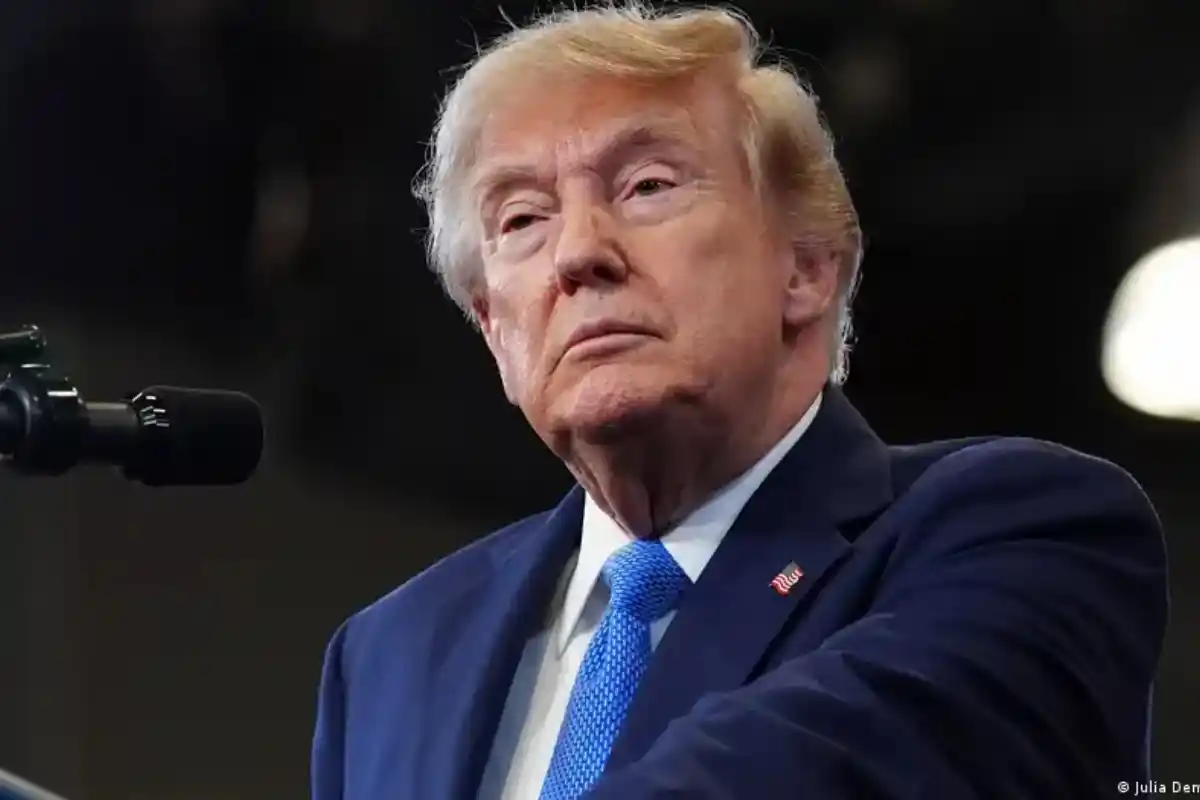
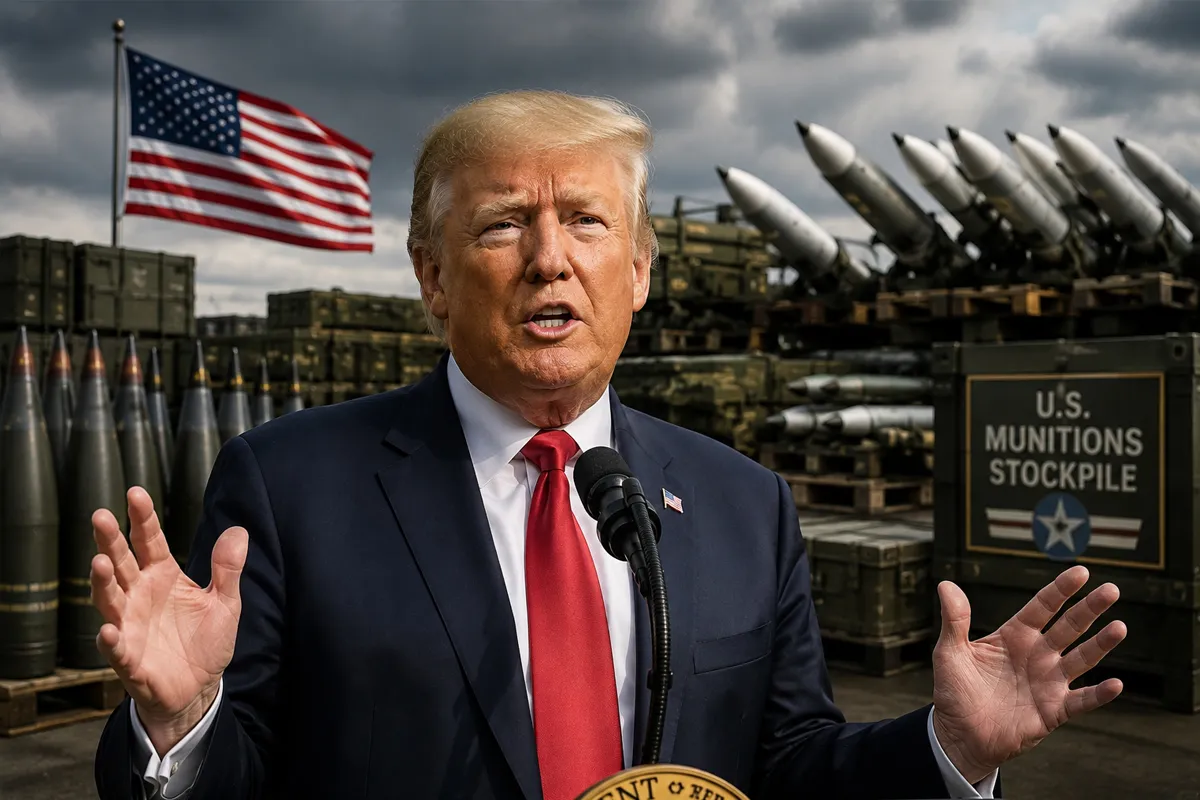
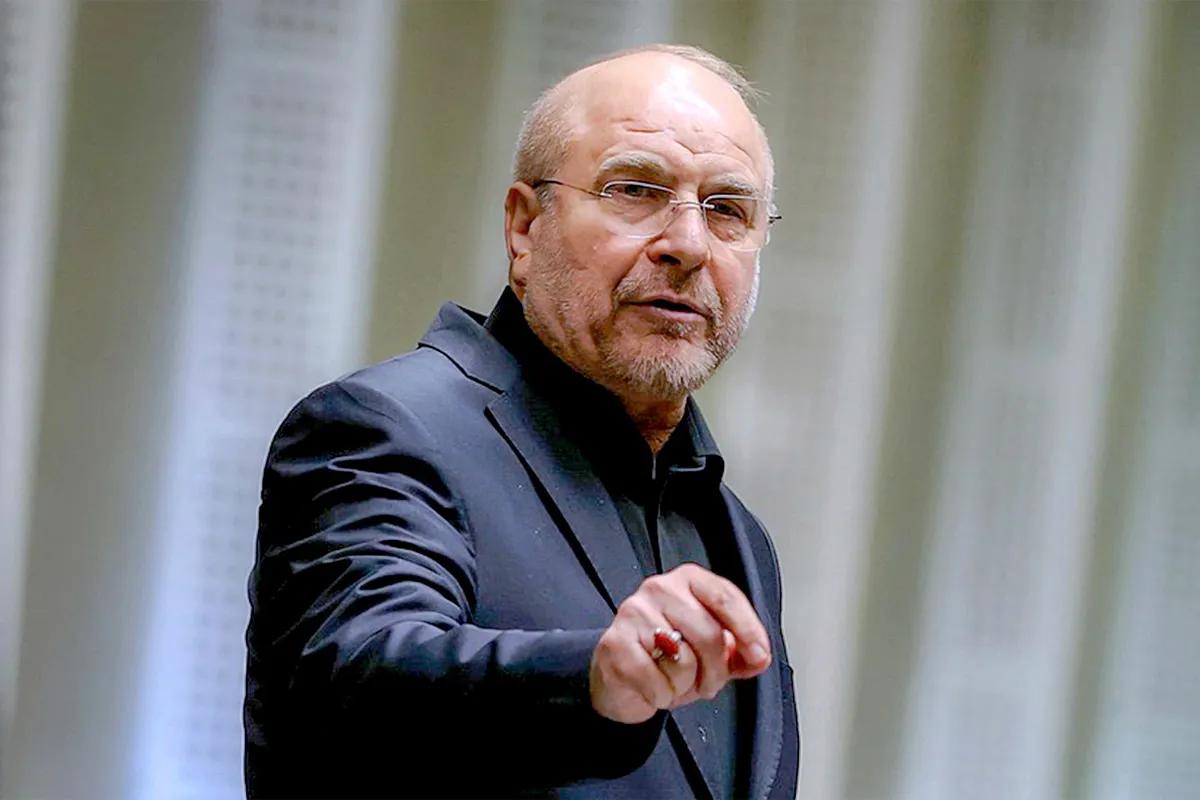
Iranian Parliament Speaker Mohammad Baqer Ghalibaf has accused the United States of pursuing a failed strategy, demanding Washington implement its earlier ceasefire commitments rather than continuing what he described as repeated dramatic diplomacy.
Writing on X, Ghalibaf mocked the pattern of escalation followed by sudden diplomatic pivots, writing: a major attack is coming, wait, no, they want to negotiate — an apparent reference to Trump’s recent pattern of threatening strikes on Iran only to shortly afterward describe talks and de-escalation instead. Ghalibaf called this a repeatedly recurring dramatic diplomacy, pressing the US to acknowledge the facts and honor its commitments.
This mockery captures precisely the pattern Reuters and other outlets have documented extensively throughout recent weeks: Trump announcing he’d called off a massive planned attack in favor of talks, followed almost immediately by Iran’s own Foreign Ministry denying any negotiations were occurring at all, followed by Trump again claiming talks were under way and calling it a last chance for Iran to sign a deal — a cycle that has repeated multiple times without producing a stable outcome either side acknowledges consistently.
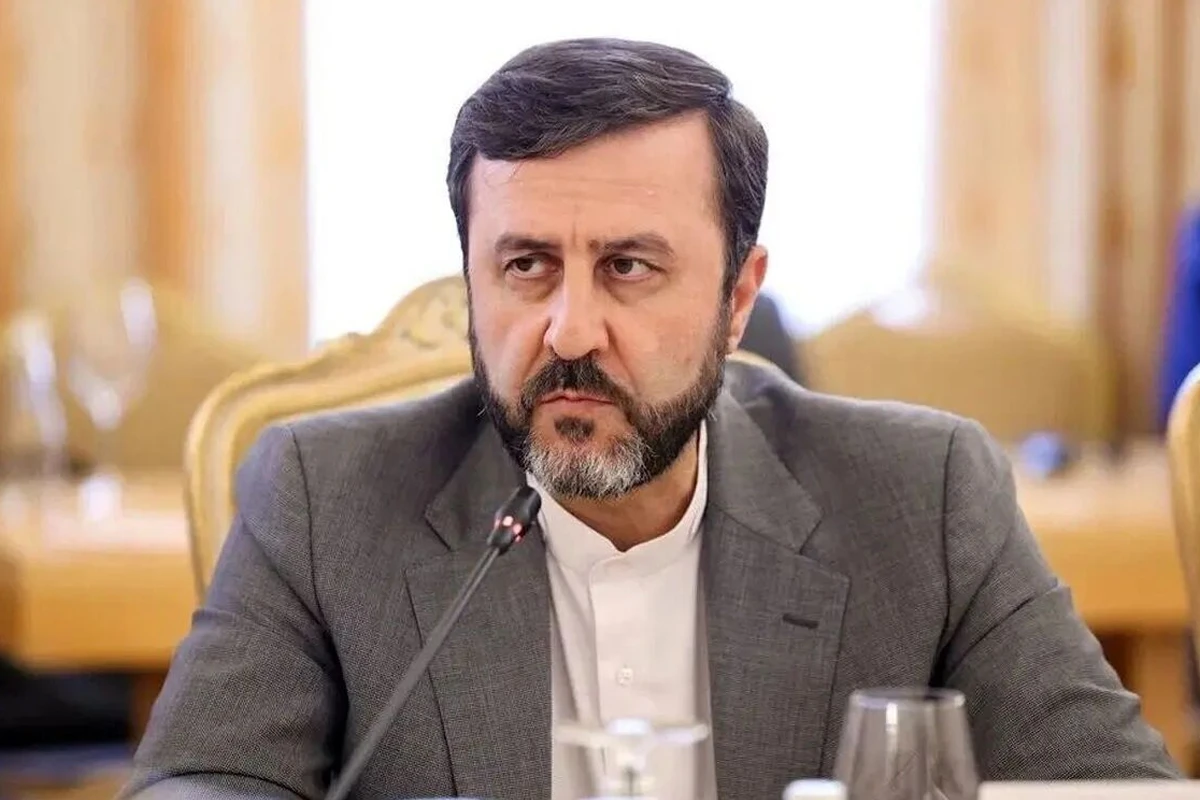
Ghalibaf’s demand that the US honor its promises likely refers to the collapsed June memorandum of understanding, which Iranian officials including Deputy Foreign Minister Kazem Gharibabadi and Foreign Ministry spokesman Esmail Baghaei have consistently argued the US violated first — through continued strikes before the agreed 30-day window elapsed and through failure to release Iran’s frozen assets as the memorandum specified. Iran’s position throughout has been that Washington bears responsibility for the ceasefire’s collapse, a narrative Ghalibaf’s latest comments reinforce at the highest levels of Iran’s parliamentary leadership.
The speaker’s characterization of Trump’s approach as failed strategy and repeated theatrical diplomacy also aligns with the broader assessment in recent Reuters reporting describing Trump as facing an increasingly difficult predicament six months into the war, caught between escalating military action at growing domestic political cost, or accepting a compromise on Hormuz that concedes more to Iran than Secretary of State Rubio has publicly indicated Washington will accept. Ghalibaf’s public mockery of this apparent indecision suggests Iranian leadership perceives genuine strategic uncertainty within the Trump administration, rather than viewing the announced pauses and threatened escalations as part of a coherent, deliberate negotiating strategy.
This kind of pointed rhetorical framing from one of Iran’s most senior officials — using sarcasm to characterize American diplomacy as inconsistent theater rather than genuine strategy — reflects a broader pattern in Iranian public messaging throughout this conflict, which has consistently sought to portray Washington as erratic and unreliable while positioning Iran’s own conduct as principled and consistent, despite Iran’s own record of hardline positions, including recent rejections of both a US-brokered Islamabad proposal and an Omani compromise on Hormuz control.
Whether Ghalibaf’s demand for the US to honor prior commitments signals any genuine Iranian openness to reviving the collapsed memorandum’s terms, or functions primarily as rhetorical positioning ahead of continued negotiation through Oman and other channels, will likely become clearer depending on whether any concrete diplomatic movement follows this latest exchange of public statements between the two governments’ senior officials.
Catch all the World News, Breaking News Event and Trending News Updates on GTV News
Join Our Whatsapp Channel GTV Whatsapp Official Channel to get the Daily News Update & Follow us on Google News.
Must Read
Pakistan
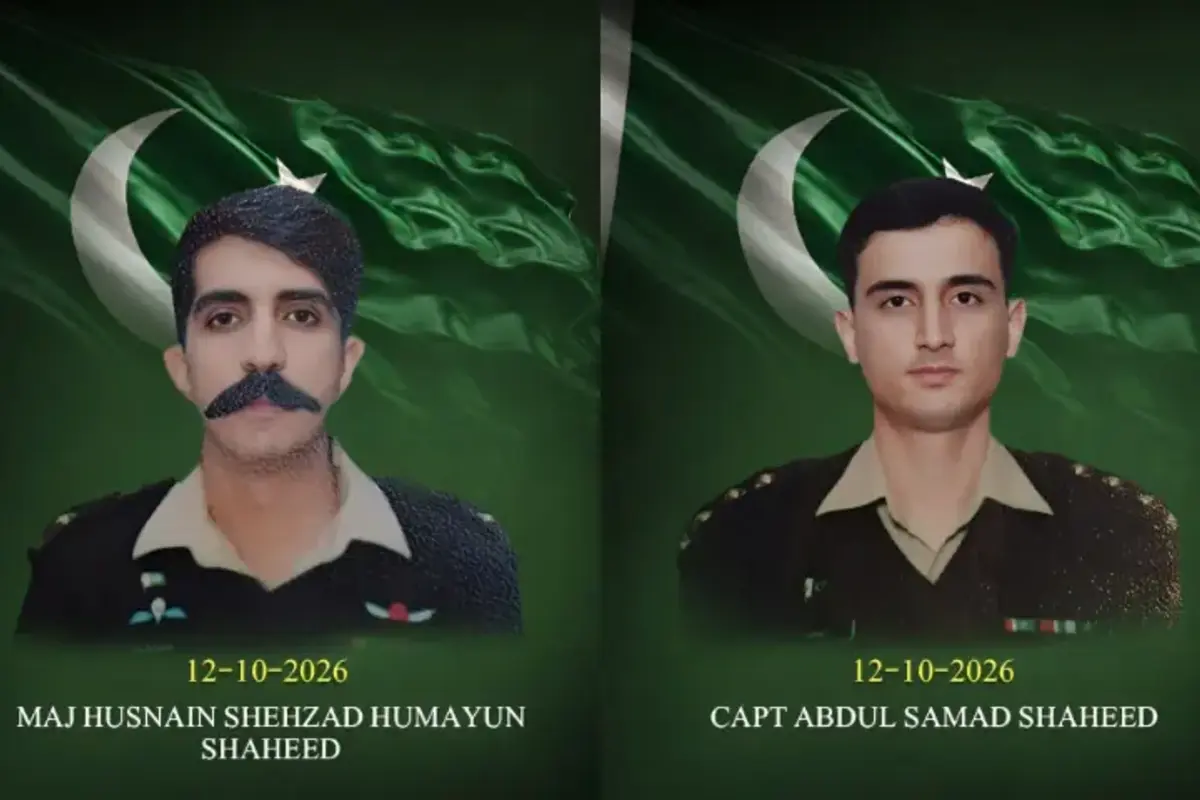
Funeral Prayers Held for Major Hasnain Shahzad Humayun and Captain Abdul Samad
13-October،2026