Iran’s Major Hormuz Warning Sends Shockwaves Through Global Oil Markets

Iran delivered three separate warnings within days of each other this week — to Washington over sanctions, to Bulgaria over hosting US refueling planes, and to anyone believing oil is already flowing freely through Hormuz — while simultaneously preparing to sit down with Oman on Tuesday for the one negotiating track Tehran hasn’t publicly dismissed.
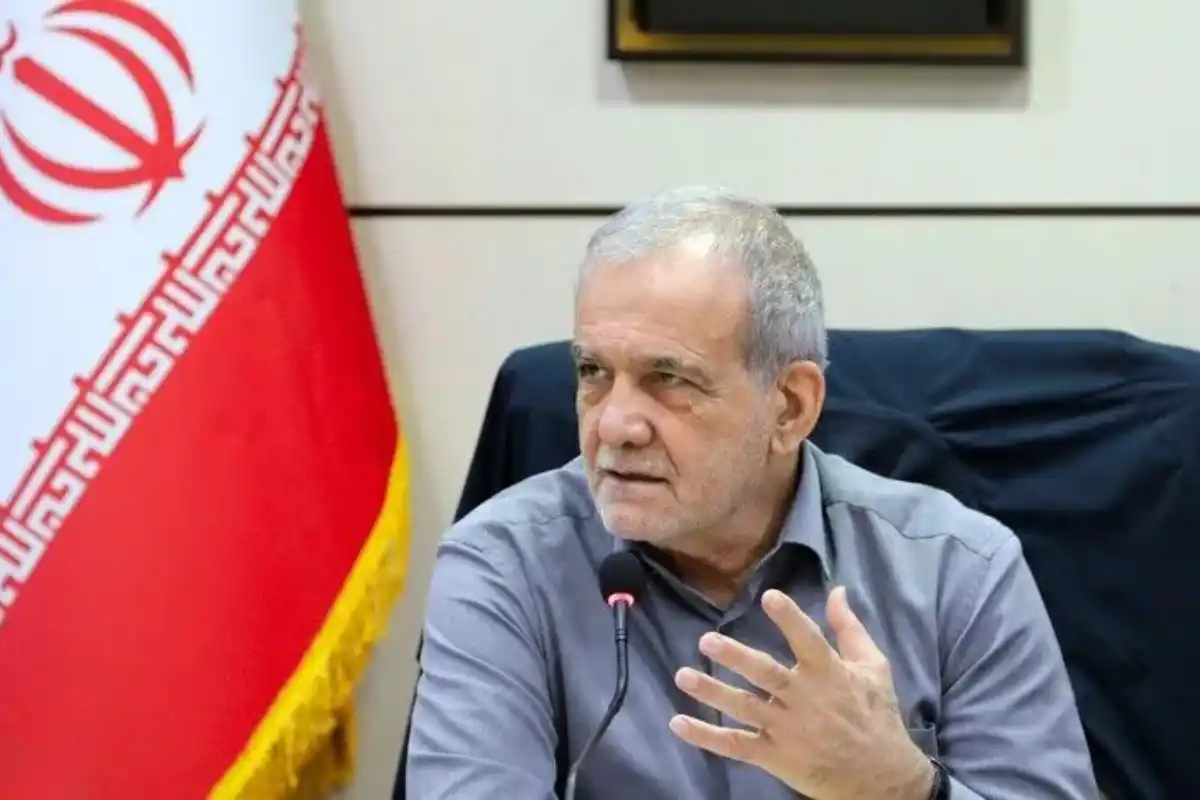
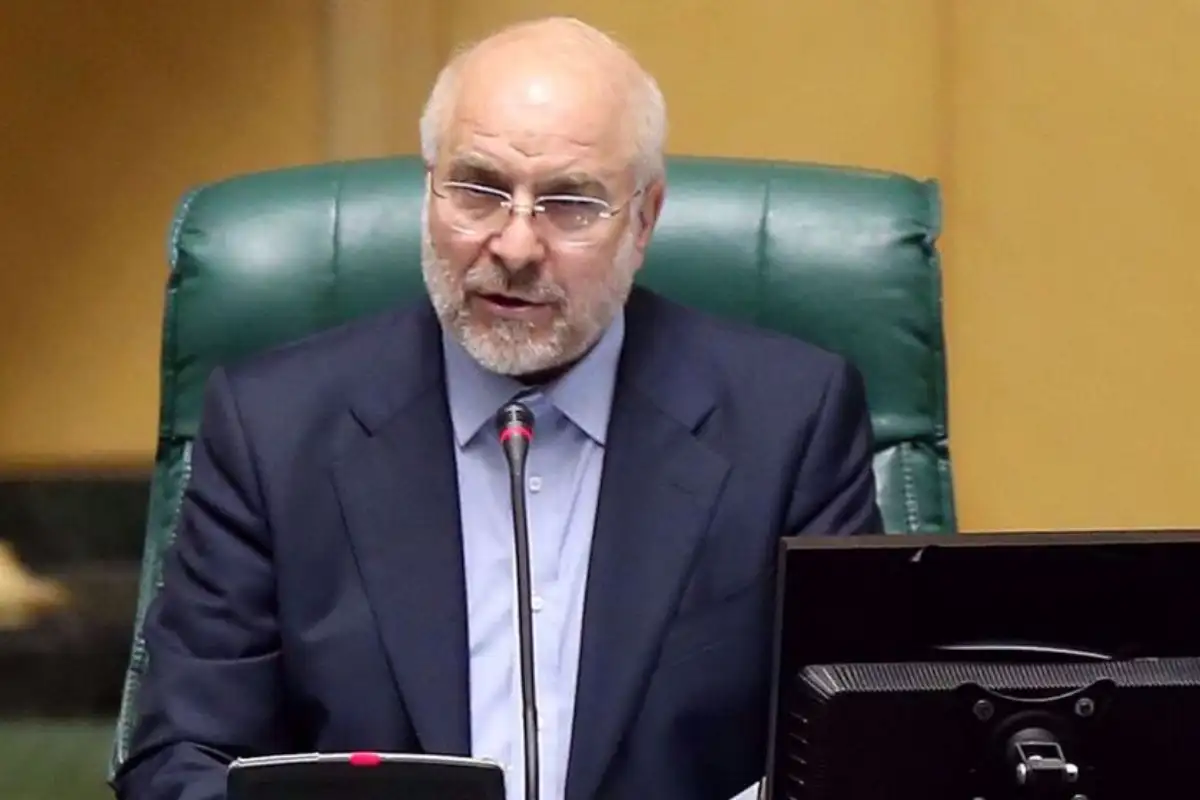
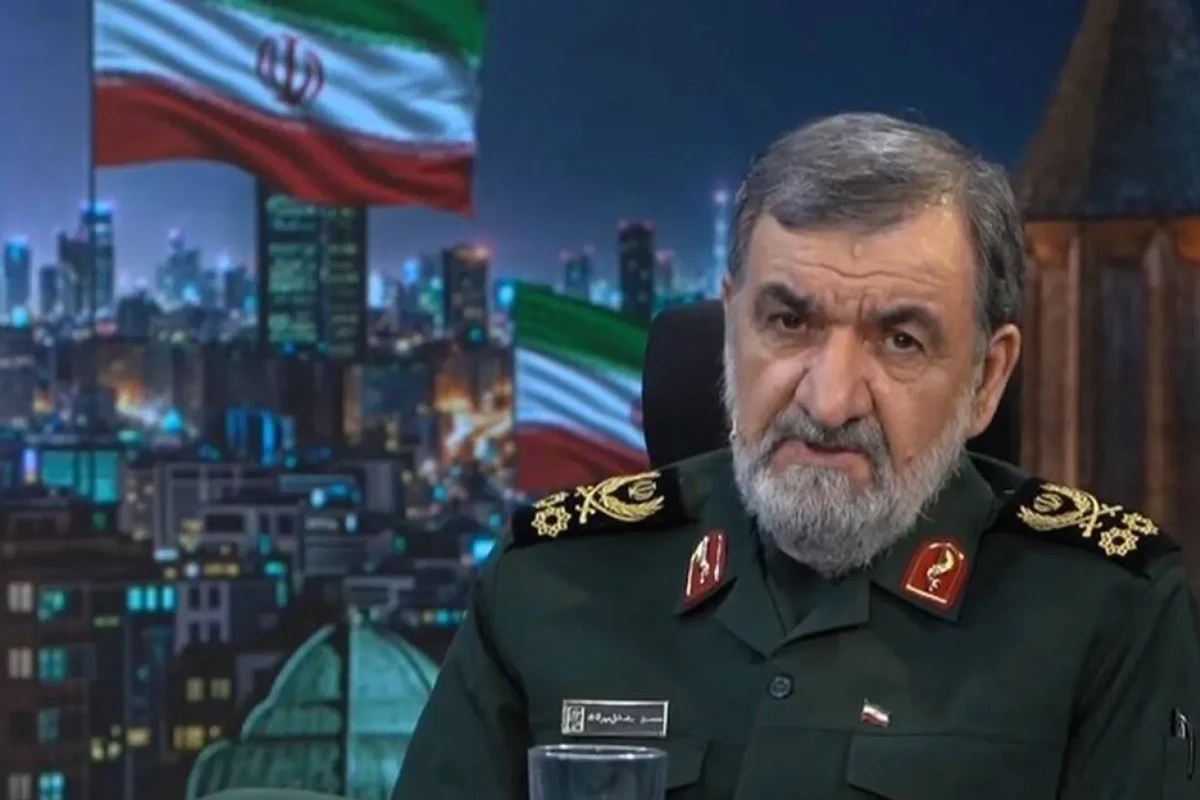
Mohsen Rezaei, secretary of Iran’s Supreme National Security Council, warned that if the economic war against Iran continues, “not a single drop of oil” will be allowed through the Strait of Hormuz, and argued repeated rounds of US sanctions have already proven ineffective at achieving their goals in the past. The warning came directly in response to Bessent’s sanctions rollout and Trump’s “Economic D-Day” framing — part of a now-familiar pattern where Iranian officials pair defiant rhetoric with claims that sanctions are a sign of American failure rather than strength.
Foreign Ministry spokesman Esmaeil Baghaei added a separate rebuttal aimed specifically at US claims about the strait’s current status, calling reports that oil is flowing freely through Hormuz “a media war and propaganda.” That’s a direct rejection of Vice President Vance’s recent claims that “a lot of oil and gas” has resumed moving through the waterway with US military assistance — and it lines up with independent shipping data, which has shown daily transits running a small fraction of the roughly 130-ship pre-war average throughout August.
The Bulgaria warning is the more operationally concrete of Iran’s threats. Baghaei said Bulgarian officials “must be held accountable” for hosting US Air Force refueling aircraft, marking at least the third such warning Iran has issued since July, when Bulgaria’s parliament first authorized up to eight KC-135 tankers and 250 US personnel at Bezmer Air Base through October 1. Iran’s pressure appears to have had a real effect: the two tankers actually stationed there quietly left Bulgaria on Friday, cutting the deployment roughly six weeks short of its authorized window — though Sofia hasn’t publicly confirmed Iranian threats as the reason. The warning also came just days after Trump publicly thanked Bulgarian President Rumen Radev for the base access, adding a layer of diplomatic awkwardness to Sofia’s quiet withdrawal.
Amid all three warnings, the Oman channel keeps moving forward on its own separate track. Oman’s Foreign Minister Sayyid Badr al-Busaidi is set to visit Tehran Tuesday to discuss the Strait of Hormuz and broader regional developments — talks Baghaei described as unrelated to Pakistan’s Field Marshal Asim Munir’s visit to Tehran the same week, despite the overlapping timing. Baghaei confirmed Iran has not requested a resumption of direct talks with the United States, but characterized the Oman negotiations specifically as positive, even while insisting the strait itself remains formally closed.
That distinction — an open, functioning channel with Oman running alongside total rejection of anything resembling US-Iran negotiation — is the clearest signal of where Tehran’s actual diplomatic energy is going this week. Rezaei’s oil threat and Baghaei’s Bulgaria warning are aimed at deterrence and messaging; Tuesday’s Busaidi meeting is the one conversation Iran appears to actually want to have progress on, regardless of how loudly its other statements this week suggest otherwise.
Catch all the World News, Breaking News Event and Trending News Updates on GTV News
Join Our Whatsapp Channel GTV Whatsapp Official Channel to get the Daily News Update & Follow us on Google News.
Must Read