Iran Vows Retaliation as US Expands Sanctions

Iran Vows Retaliation as US Expands Sanctions
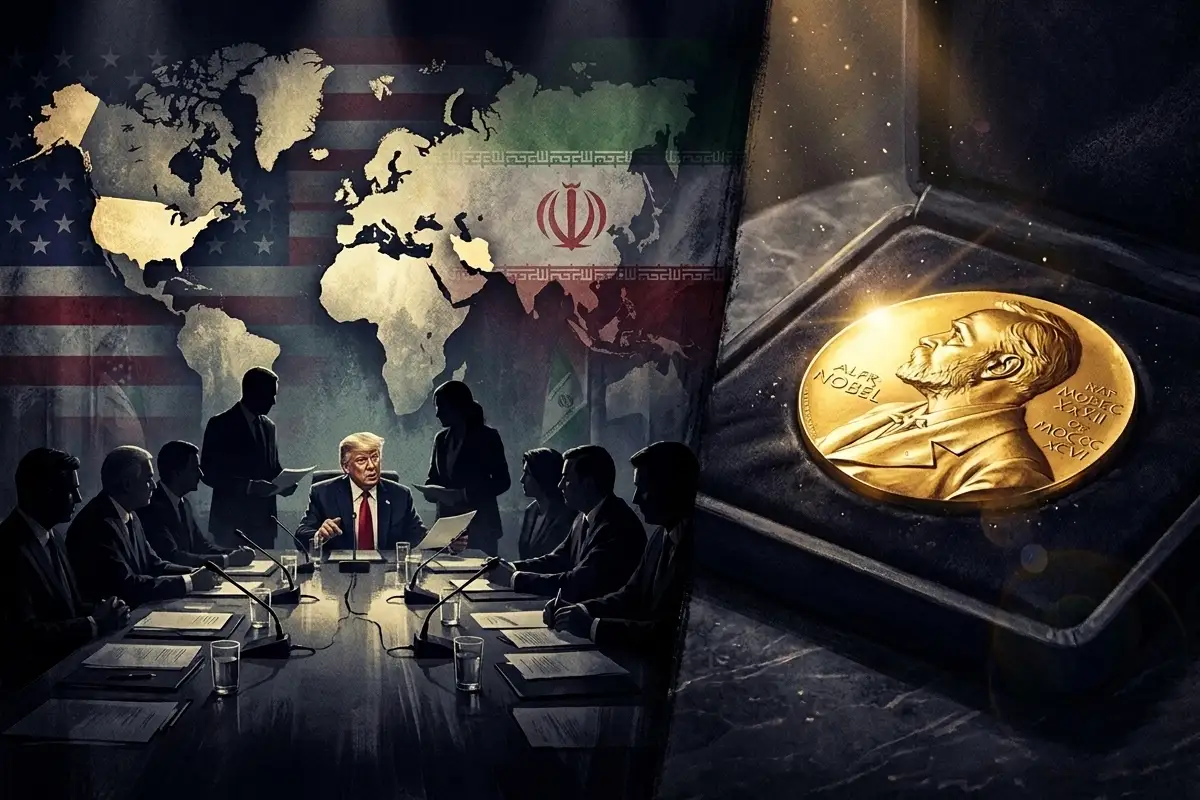
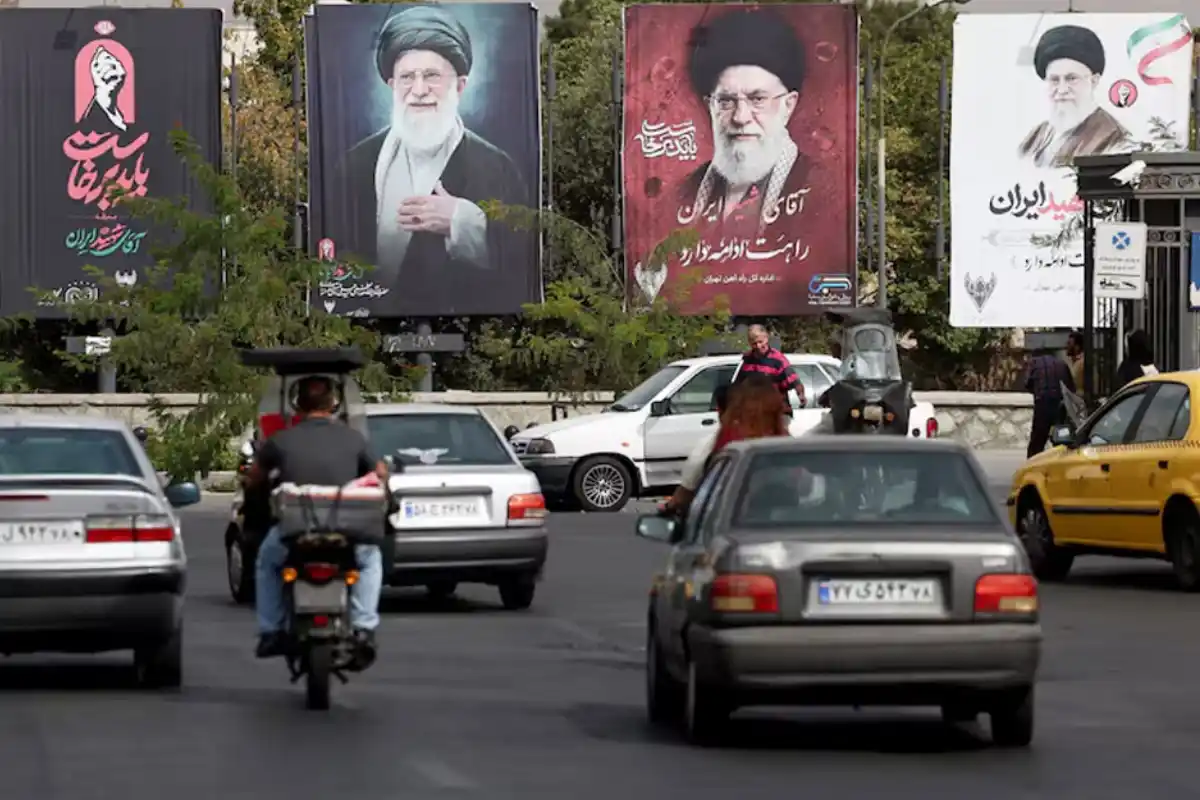
Iran has promised to respond to expanded U.S. economic sanctions, saying it is prepared to deal with Washington’s pressure campaign and that major trading partners will resist the measures.
U.S. Treasury Secretary Scott Bessent announced the new measures on Monday but stopped short of imposing the toughest sanctions. He warned that countries continuing to trade with Iran could risk being cut off from the dollar-based financial system.
Bessent did not name the countries that could face penalties or say when they would be imposed. He said countries would be given time to comply. The Treasury Department also announced sanctions on 60 individuals, entities and vessels, but the list did not include Chinese financial institutions suspected of helping Iran’s oil trade.
Iran had warned before the announcement that it could respond militarily and further reduce oil exports from the Gulf if the U.S. imposed new economic measures.
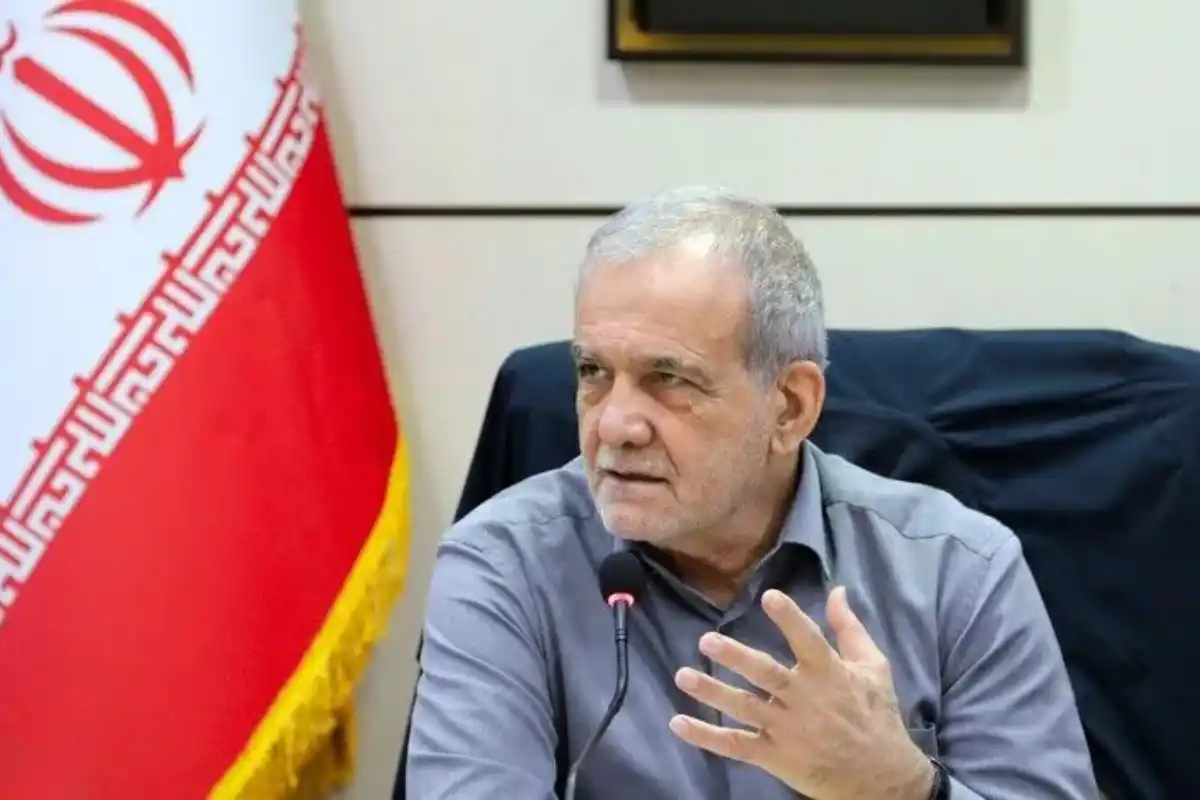
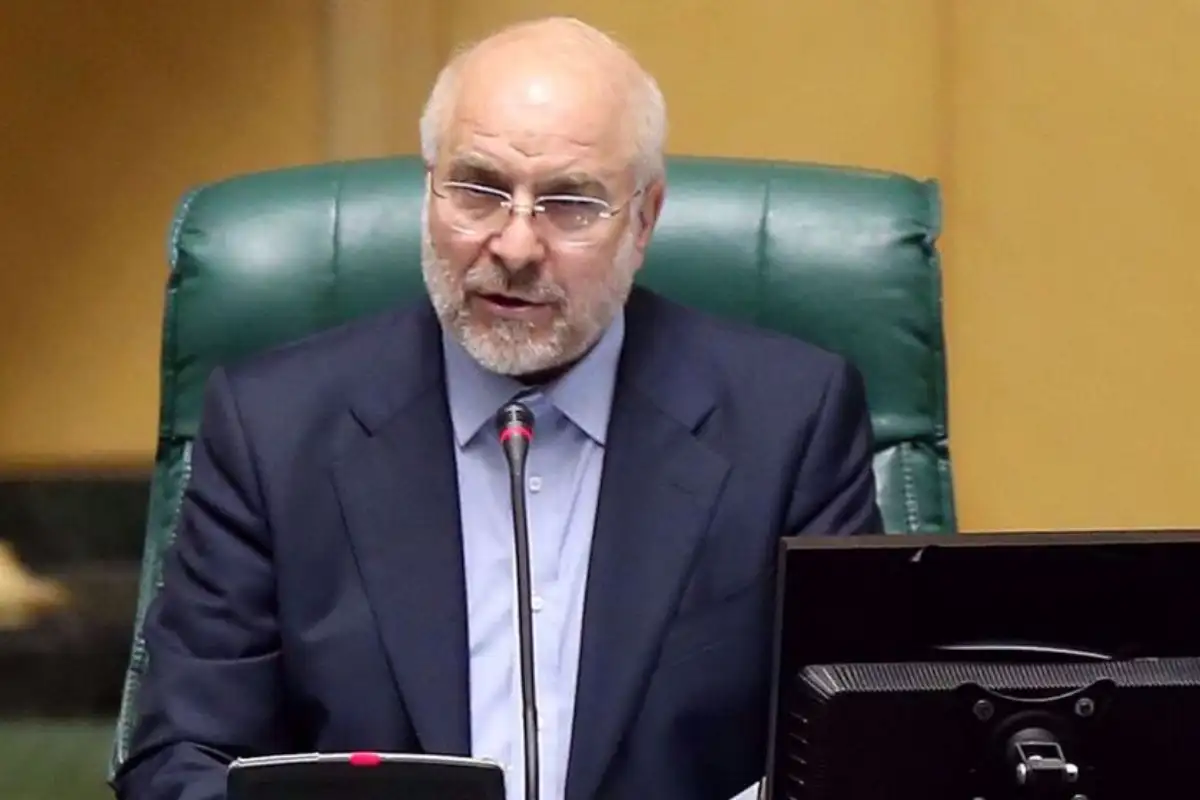
Iranian Economy Minister Ali Madanizadeh said, “We are fully prepared for the U.S. sanctions.”
“The enemies intend to launch an economic terrorist attack on us, but we also have our own tools and know how to play the game. Our defense is no longer so defensive; the enemies should wait for an attack,” Madanizadeh told state television.
He also said China and Russia had not “accepted” the U.S. measures and predicted that other countries would also resist them.
Brigadier General Hossein Mohebbi, a spokesperson for Iran’s Islamic Revolutionary Guard Corps, warned of heavy attacks on U.S. vital interests and energy chokepoints if Iran’s infrastructure is threatened, Press TV reported.
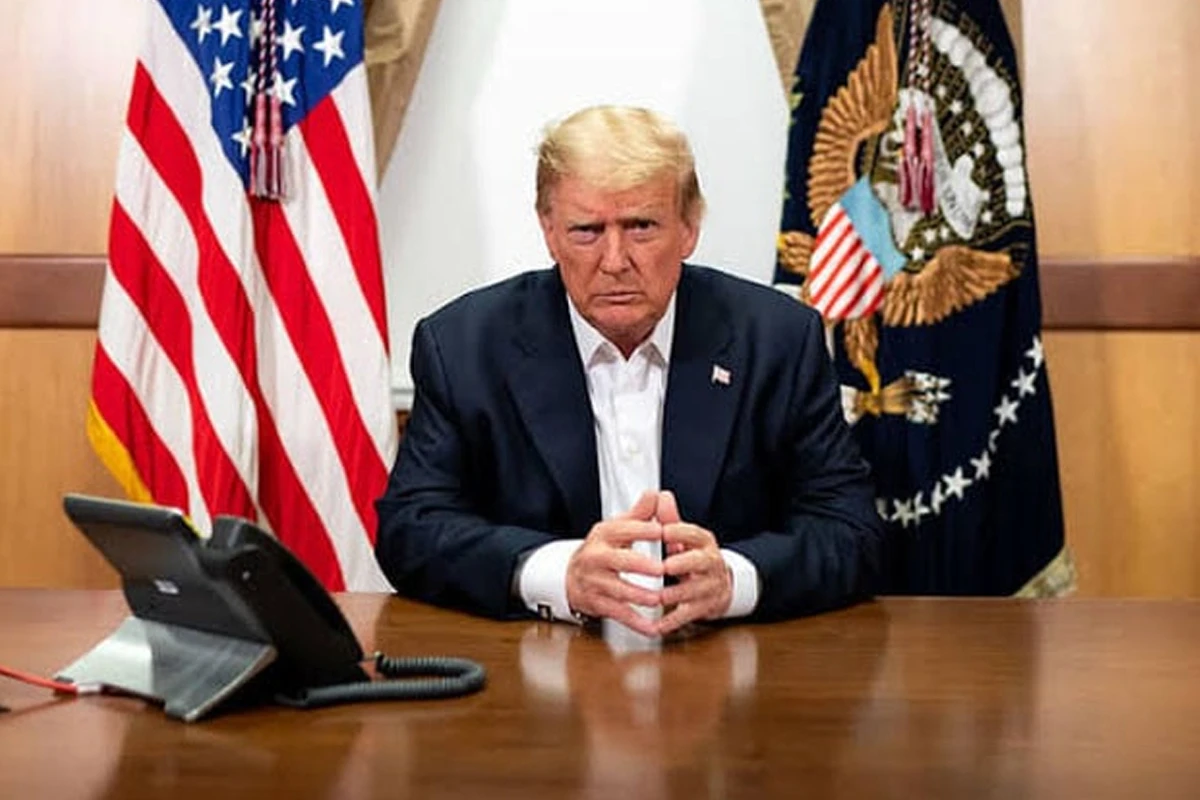
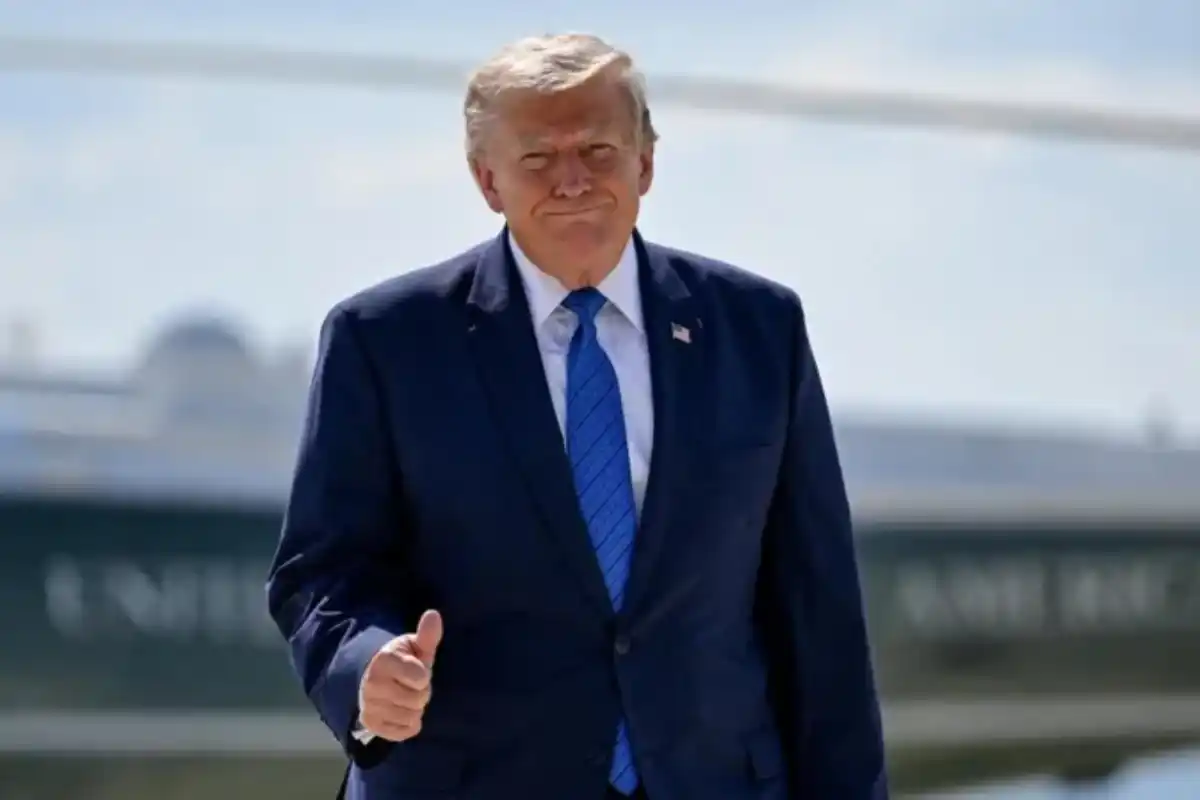
The Trump administration appears to be relying on greater economic pressure as it seeks to end a war that has pushed energy prices higher. However, Iran has faced U.S. and international sanctions for decades, which have damaged its economy but failed to force its leadership to change course.
Although neither side has carried out major strikes in weeks, there are few signs of a diplomatic solution. The U.S. is also looking for ways to stop Iranian attacks on ships in the Gulf and, more recently through its allies, in the Red Sea.
Almost six months have passed since the U.S. and Israel launched strikes on Iran.
The war has weakened much of Iran’s conventional military capacity, caused economic damage and killed then-Supreme Leader Ayatollah Ali Khamenei. However, Iran still has enough missile and drone capabilities to threaten its Gulf neighbors and oil tankers in the Strait of Hormuz. The exact condition of Iran’s nuclear program remains unknown.
CHINESE OIL TRADE
Bessent explained that he stopped short of imposing further penalties because he did not want to damage the global financial system.
“Why would I want to blow up the global financial system?” he said.
He said the U.S. wanted to give countries and companies time to end their ties with Iran.
China has been the biggest buyer of Iranian oil for several years. However, the U.S. blockade of Iran’s ports, renewed in mid-July, has already reduced Iranian oil shipments to China.
Experts believe Washington is concerned about possible Chinese retaliation if sanctions are imposed on Chinese banks. This comes ahead of expected talks next month between U.S. President Donald Trump and Chinese President Xi Jinping.
Asked about Chinese banks, Bessent said, “We want to make clear here today that no one is above the reach of U.S. sanctions.”
China’s Foreign Ministry said sanctions and pressure tactics would not help and that Beijing would take necessary steps to protect its interests.
Catch all the World News, Breaking News Event and Trending News Updates on GTV News
Join Our Whatsapp Channel GTV Whatsapp Official Channel to get the Daily News Update & Follow us on Google News.
Must Read