
Trump Moves From Boredom to Denial After Six Months of War on Iran

Trump Moves From Boredom to Denial After Six Months of War on Iran
At an impromptu press conference last week, US President Donald Trump spoke at length about his helipad, ballroom and granite paving stones.
However, he barely talked about the war on Iran.
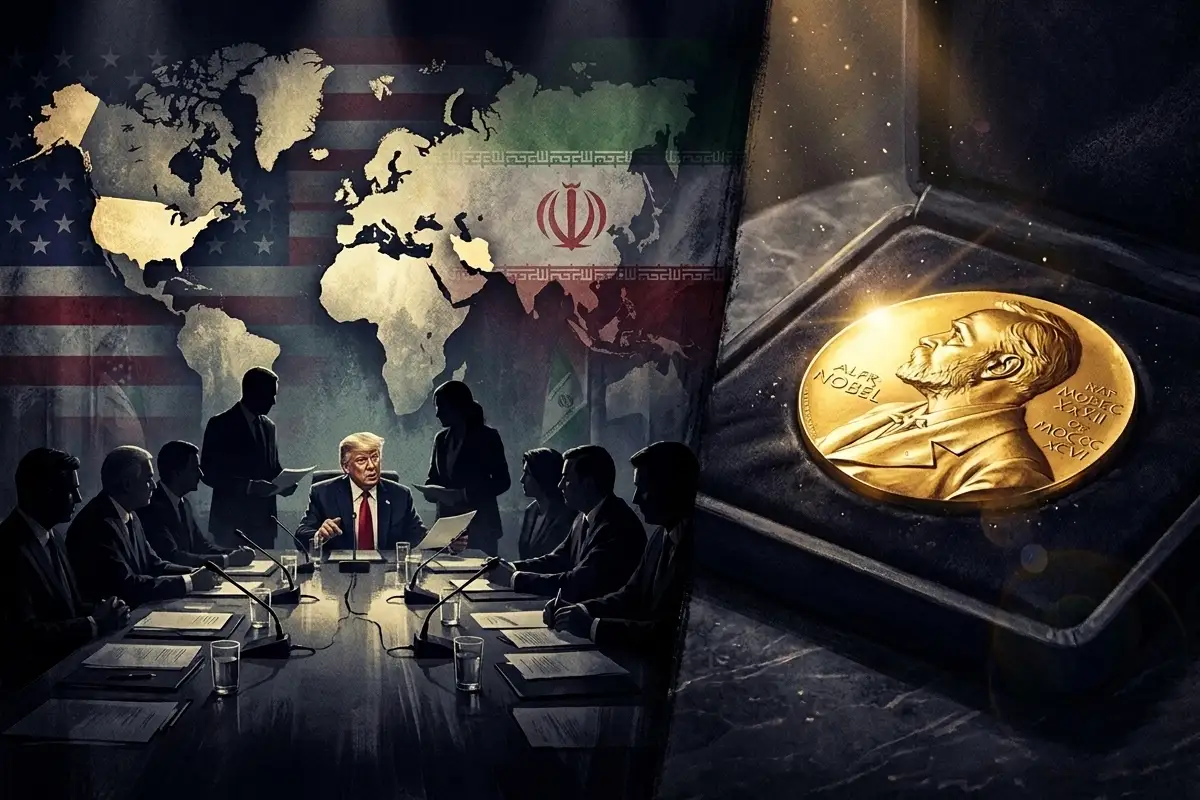
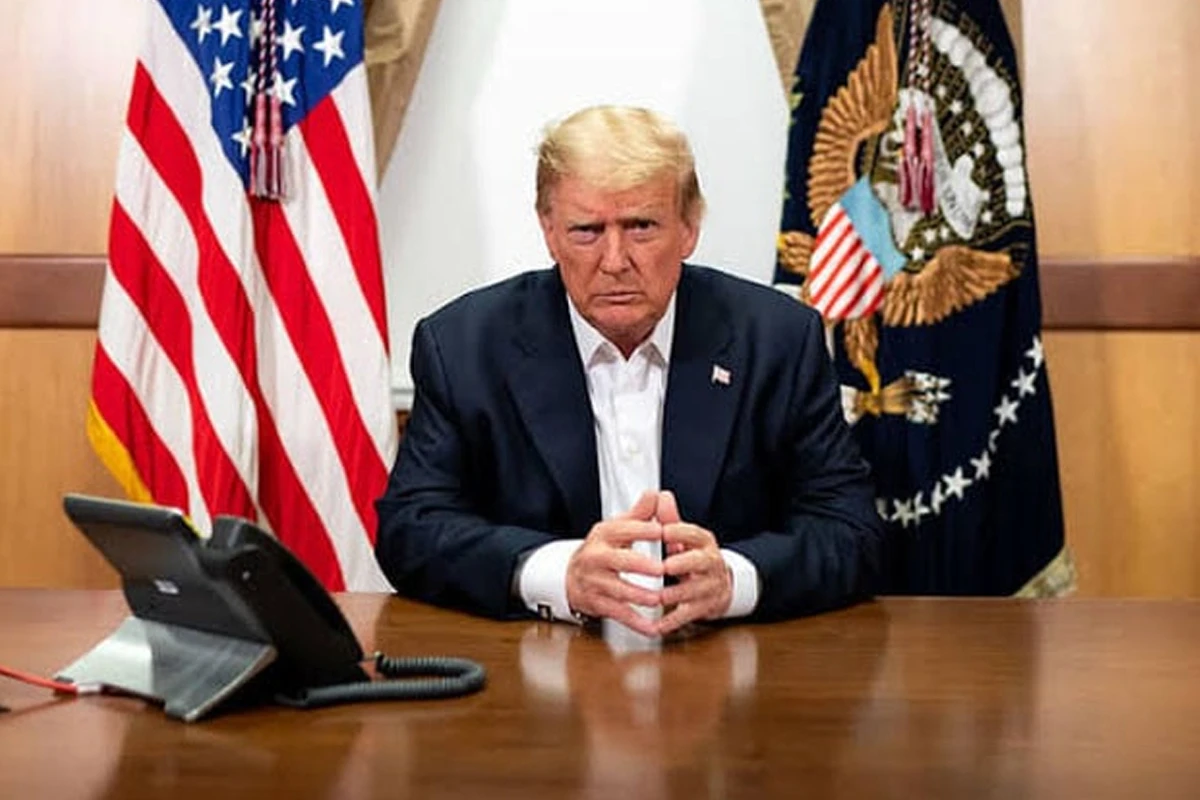
Six months after launching what he expected to be a quick military campaign, Trump appears increasingly uninterested in the conflict as it creates problems for his second presidency.
“Right now, the situation is so good,” Trump said when asked about Iran during a tour of the White House’s South Lawn, where he showed reporters his latest renovations.
During the 36-minute event, Trump used the word “granite” 13 times but mentioned “Iran” only three times.
The war has become a major challenge for Trump, with at least 18 US service members killed and more than 750 wounded, according to Pentagon figures. Thousands more people have reportedly been killed in Iran and Lebanon.
US voters are also facing higher living costs linked to the war, while the November midterm elections are approaching.
Even some of Trump’s MAGA supporters are questioning why the president, who promised not to start new foreign wars, has become involved in another conflict without a clear plan to end it.
“Is there a rabbit in the hat? No, I think the hat is empty,” William Galston, a senior fellow at the Brookings Institution, told AFP.
‘Very boring’
Trump’s public approval ratings have declined since his return to office in 2025, with the fall becoming more noticeable after the United States and Israel went to war with Iran on February 28.
A Reuters/Ipsos poll conducted from August 14 to 17 found that Trump’s approval rating had fallen to 33 per cent, the lowest level of his current term. Other major polls have also shown him with negative approval ratings.
Trump had expected the Iran conflict to produce a quick victory, similar to the US capture of Venezuelan President Nicolas Maduro in January. After a ceasefire was announced in April, Trump declared “total and complete victory”.
However, the ceasefire later collapsed and Iran refused to give in to Trump’s demands. The US president then shifted between military and economic pressure, while his reasons for the war also changed from regime change to preventing Iran from developing a nuclear weapon.
Iran has also maintained control over the Strait of Hormuz, creating another major challenge for Washington.
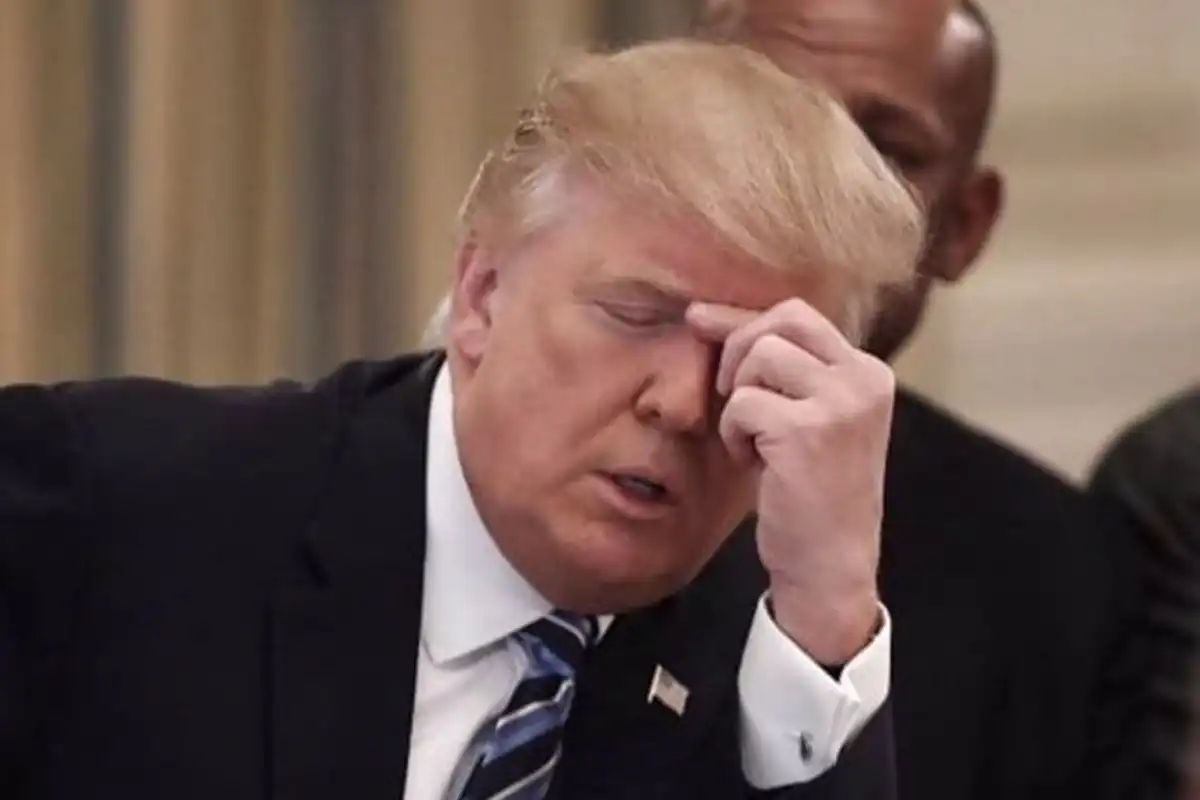
By June, Trump had already expressed frustration with the stalled negotiations, saying, “Frankly, I thought they started to get very boring.”
Garret Martin, a foreign policy expert at American University, said Trump “famously has a short attention span”.
“He was convinced that he could repeat a little bit what happened with Venezuela, a rapid show of force,” Martin told AFP. “I think now he’s in a position where there is no easy exit.”
‘Reckless war’
While Trump has focused publicly on projects such as the $400 million ballroom he is building and putting his name on public buildings in Washington, many American voters remain concerned about the Iran war.
“I think it’s completely unnecessary, and that it was a reckless war, and I think it’s going very badly,” said Joe Plenzler, a US Marine who served for 20 years.
He said the impact on American consumers had increased significantly and that dissatisfaction was growing in the rural, traditionally Republican area of Virginia where he lives.
Gasoline prices have risen above $4 per gallon since the war began, compared with a national average of $3.14 a year ago. The increase has also contributed to higher consumer prices.
The political consequences for Trump could become clearer during the November midterm elections.
Analysts say public dissatisfaction with the war could cost Republicans control of the House of Representatives and possibly the Senate. Such a result could make it harder for Trump to pass his legislative agenda and could increase the risk of a third impeachment.
However, Trump may not be able to simply walk away from the war. His efforts to build a legacy after his second term ends in 2029 could keep him focused on the conflict.
“I think he cares about his standing in history,” Galston said.
He added, “Maybe he believes that statues and buildings and other things named for him will substitute for the kind of performance in office that makes you a memorable president”.
Catch all the World News, Breaking News Event and Trending News Updates on GTV News
Join Our Whatsapp Channel GTV Whatsapp Official Channel to get the Daily News Update & Follow us on Google News.
Must Read