Iran Says Strait of Hormuz Will Stay Closed Until Trump and Netanyahu Leave Power

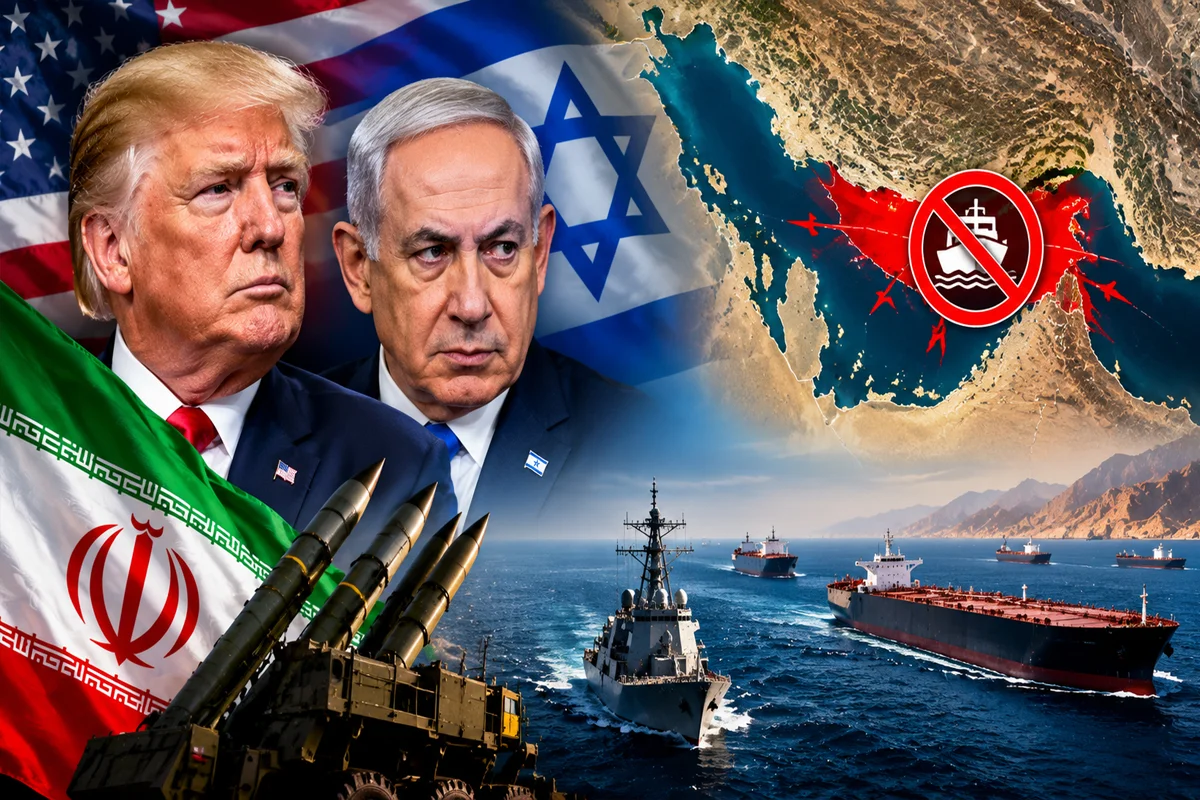
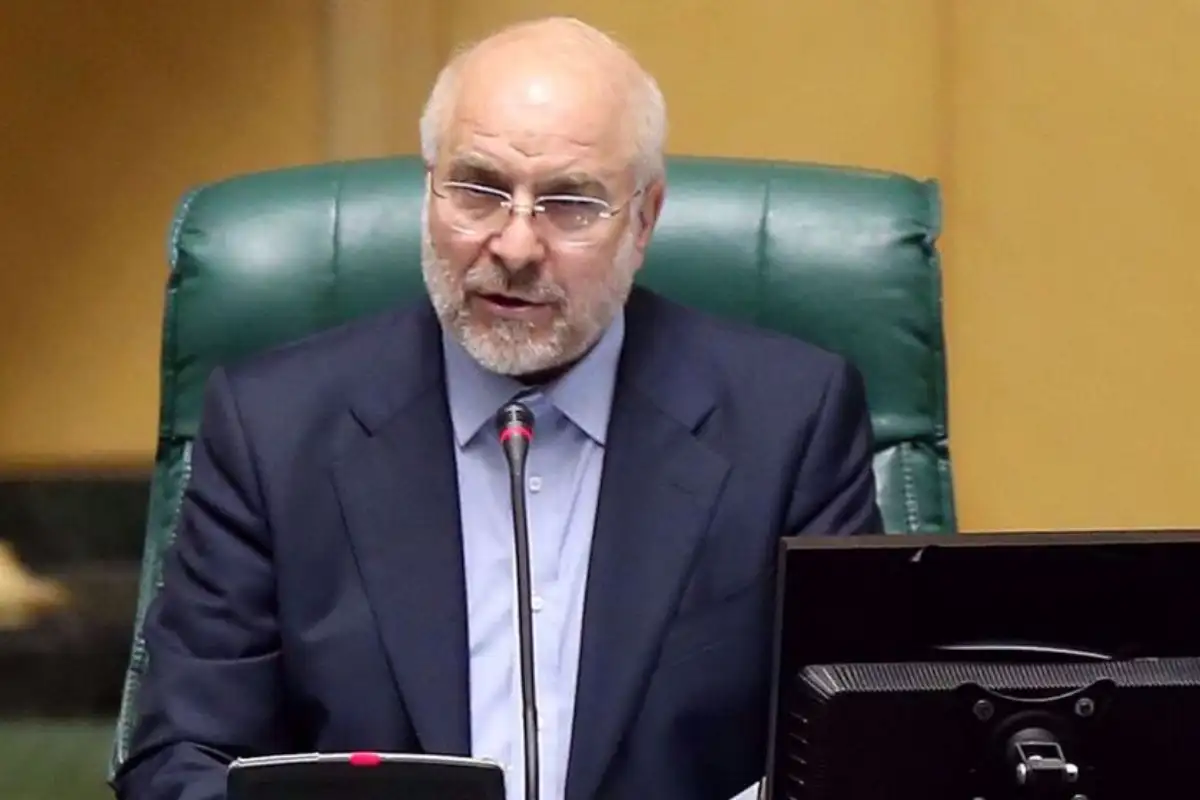
TEHRAN: Iran has again taken a hard line on reopening the Strait of Hormuz, with senior adviser to Supreme Leader Ayatollah Mojtaba Khamenei, Mohammad Bagher Zolghadr, saying Iranian forces will not reopen the strategic waterway while US President Donald Trump and Israeli Prime Minister Benjamin Netanyahu remain in power.
Zolghadr made the remarks in a message marking 200 days of what he described as Iranian resistance, saying the continued closure of Hormuz represented the first stage of Iran’s response to the war.
According to Zolghadr, Iran’s fighters would keep the Strait of Hormuz closed until Trump and Netanyahu were removed from power. He characterised the closure as part of Iran’s retaliation and linked it to the wider confrontation with the United States and Israel.
He said the past 200 days had demonstrated the Iranian people’s resistance and determination to defend the country’s independence and national interests.
Zolghadr said opponents had expected Iran to be defeated within a few days but argued that those expectations had not been fulfilled.
He also paid tribute to Iranian leaders, civilians and military personnel killed during the conflict, including children in Minab, young people in Lamerd, soldiers in Bampur and personnel aboard the Dena warship.
He presented the continued resistance as evidence that Iran had remained capable of confronting the military pressure imposed on it.
The Strait of Hormuz is one of the world’s most important energy corridors, linking the Persian Gulf with the Gulf of Oman and the Arabian Sea.
The continuing restrictions have sharply reduced maritime traffic. Reuters reported that only four commodity vessels crossed the strait on September 17, compared with a 10-day average of about 16 vessels per day.
The disruption has raised concerns over global oil and gas supplies and contributed to continued uncertainty in international energy markets.
Zolghadr’s statement came as diplomatic signals surrounding the conflict remained mixed.
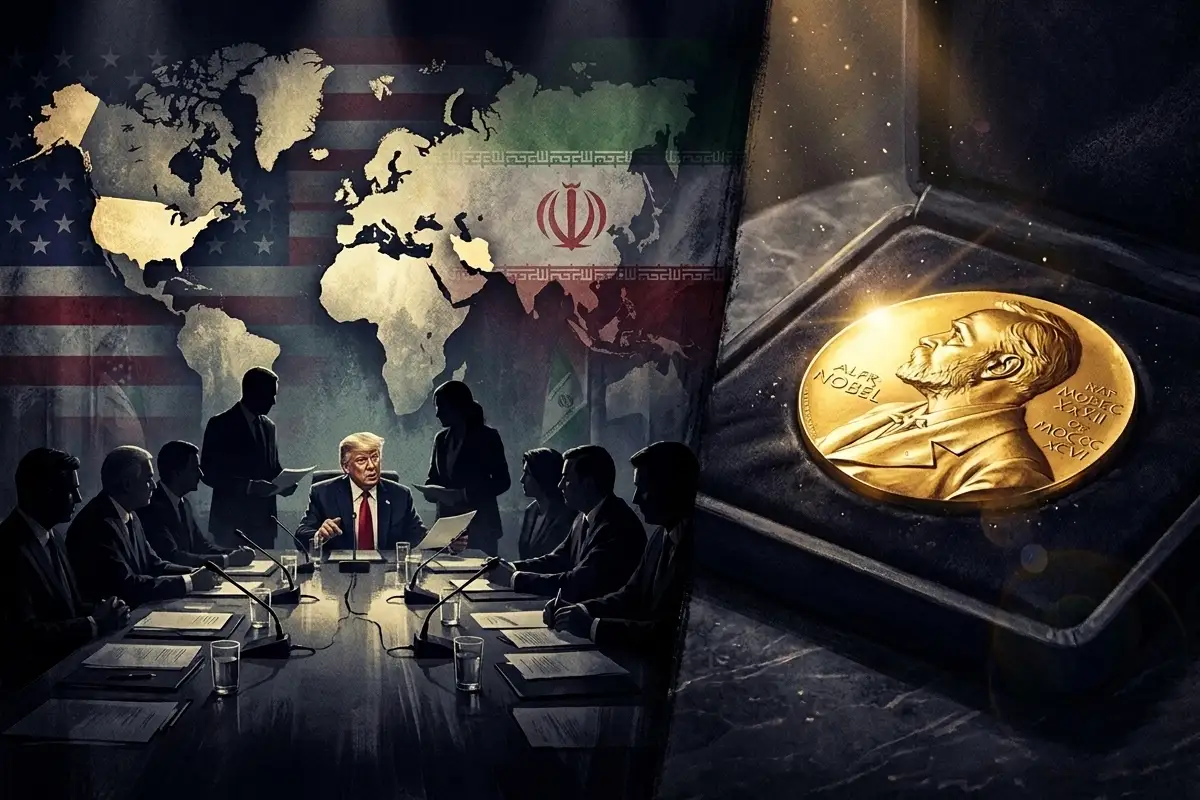
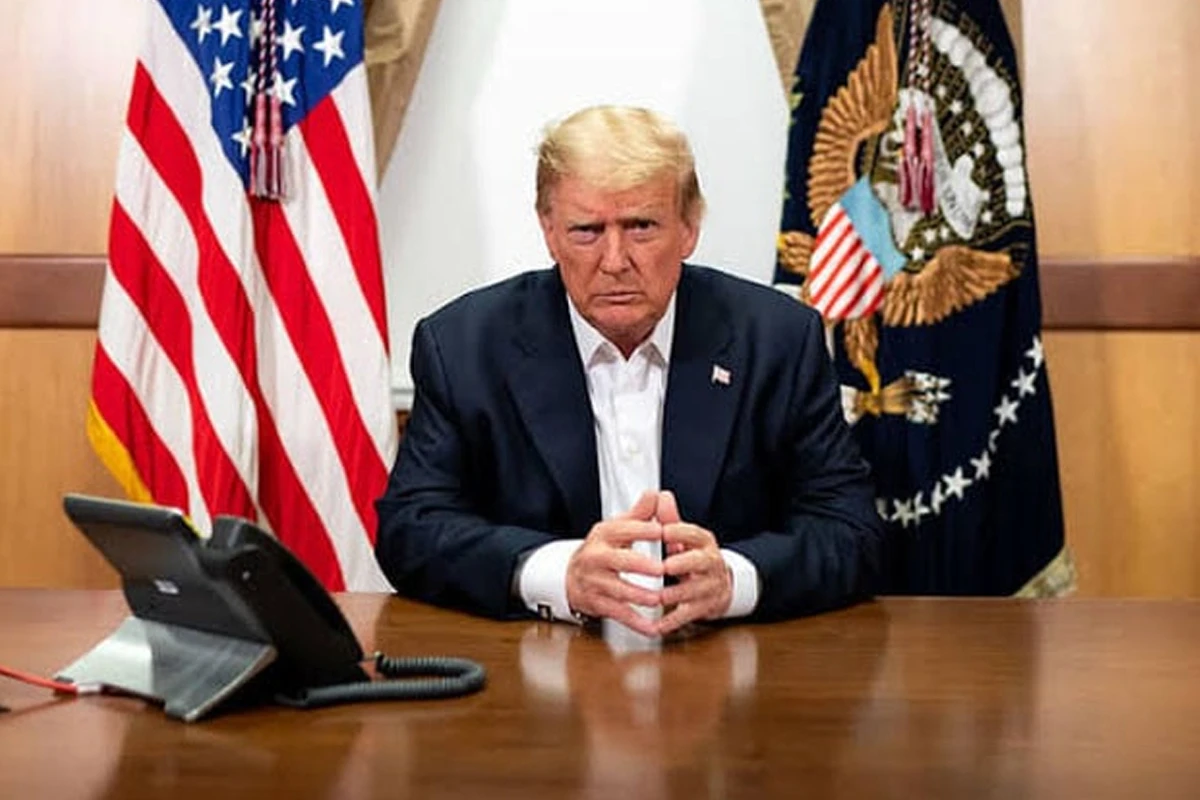
Trump has recently suggested that the war could be approaching an end and has spoken about the possibility of reaching an agreement with Tehran, while Iran has continued to insist on conditions concerning the conflict and the region’s security.
China has also urged Washington and Tehran to return to negotiations and seek a diplomatic settlement, while supporting efforts to reduce tensions around the Strait of Hormuz.
The latest statement underscores the gap between Iran’s stated conditions and Washington’s public signals regarding a possible settlement.
While Zolghadr’s remarks represent the position of a senior political adviser rather than a formally announced new government policy, they indicate that influential figures in Tehran continue to link the reopening of the Strait of Hormuz to major political changes in Washington and Tel Aviv.
For now, commercial traffic through the strategic waterway remains heavily disrupted, leaving the future of one of the world’s most important energy routes closely tied to the wider regional conflict.
Catch all the World News, Breaking News Event and Trending News Updates on GTV News
Join Our Whatsapp Channel GTV Whatsapp Official Channel to get the Daily News Update & Follow us on Google News.
Must Read