
Pakistan supports peace in Yemen, urges factions to avoid unilateral actions

Pakistan supports peace in Yemen, urges factions to avoid unilateral actions
ISLAMABAD: On January 1, Pakistan and India exchanged lists of prisoners in each other’s custody as part of their bilateral agreements. Pakistan handed over a list of 257 Indian prisoners, including 58 civil detainees and 199 fishermen, to the Indian High Commission in Islamabad.
This exchange is conducted under the Consular Access Agreement of 2008, which requires both countries to share prisoner lists twice a year, on January 1 and July 1. India is also sharing the list of Pakistani prisoners with Pakistan.
On the same day, Pakistan and India exchanged lists of their nuclear installations pursuant to the 1988 Agreement on Prohibition of Attacks against Nuclear Installations and Facilities.
Pakistan officially handed over its list of nuclear installations and facilities to a representative of the Indian High Commission in Islamabad, while India is providing the list of its nuclear installations to Pakistan. This exchange ensures transparency and compliance with the agreement.
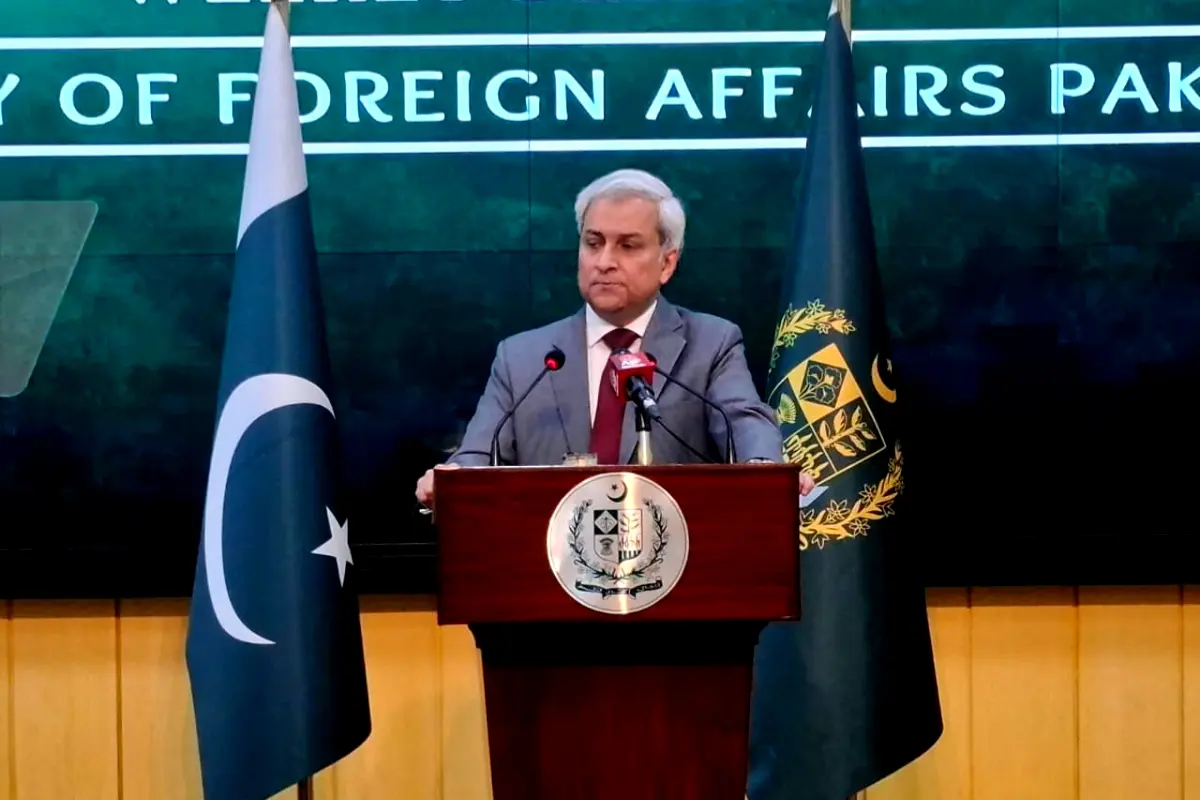
Pakistan expressed deep concern over the resurgence of violence in Yemen and reiterated its support for the country’s unity, territorial integrity, and all efforts aimed at establishing lasting peace and stability. Pakistan strongly opposes any unilateral actions by Yemeni parties that may escalate the situation or undermine peace efforts.
The country welcomed regional efforts to de-escalate tensions and expressed complete solidarity with the Kingdom of Saudi Arabia, emphasizing the importance of dialogue and diplomacy in resolving the crisis.
Prime Minister Muhammad Shehbaz Sharif held a telephone conversation with Crown Prince Mohammed bin Salman of Saudi Arabia. Both leaders reaffirmed their commitment to strengthening long-standing fraternal ties and discussed regional developments.
The Prime Minister highlighted the need for unity among Muslim nations, while the Crown Prince expressed interest in visiting Pakistan in 2026. Deputy Prime Minister and Foreign Minister Senator Mohammad Ishaq Dar also spoke with Saudi Foreign Minister Prince Faisal bin Farhan, exchanging New Year greetings and discussing the positive trajectory of bilateral relations.
The top leadership of Pakistan and the United Arab Emirates maintained close contact. UAE President Sheikh Mohamed bin Zayed visited Pakistan at the invitation of the Prime Minister, accompanied by a high-level delegation.
Meetings in Islamabad and Rahim Yar Khan focused on bilateral cooperation in trade, investment, energy, development, and regional stability, reflecting the depth of relations between the two countries.
The Speaker of the National Assembly, Sardar Ayaz Sadiq, visited Dhaka to attend the state funeral of former Prime Minister of Bangladesh, Begum Khaleda Zia. He met her family, expressed grief and condolences on behalf of Pakistan’s government and people, and honored her contributions to Bangladesh-Pakistan relations.
Pakistan strongly condemned Israel’s recognition of the so-called Somaliland region and reaffirmed its support for Somalia’s sovereignty, unity, and territorial integrity. Pakistan also reiterated its support for the Palestinian people, opposing any forced displacement and advocating for a sovereign Palestinian state with Al-Quds Al-Sharif as its capital.
Deputy Prime Minister and Foreign Minister Senator Mohammad Ishaq Dar held conversations with leaders from Saudi Arabia, Uzbekistan, Somalia, and Egypt to discuss regional stability, bilateral cooperation, and preparations for upcoming visits, including the President of Uzbekistan’s visit in February 2026.
Pakistan announced that the 7th round of the Pakistan–China Foreign Ministers’ Strategic Dialogue will be held in Beijing on January 4, 2026. This dialogue provides a structured platform to review bilateral cooperation and regional and international developments.
Since the closure of the border with Afghanistan, Pakistan’s Embassy and Consulates have coordinated the safe return of Pakistani nationals, including students. So far, 306 individuals, including 15 students, have safely returned to Pakistan. A total of 1,199 Pakistanis approached the Embassy seeking assistance, and coordination continues to ensure the safety and repatriation of all citizens.
The Ministry of Foreign Affairs emphasized Pakistan’s active engagement in regional and international diplomacy, its commitment to peace and stability, and continued support for its citizens abroad.
Catch all the Pakistan News, Breaking News Event and Trending News Updates on GTV News
Join Our Whatsapp Channel GTV Whatsapp Official Channel to get the Daily News Update & Follow us on Google News.
Must Read