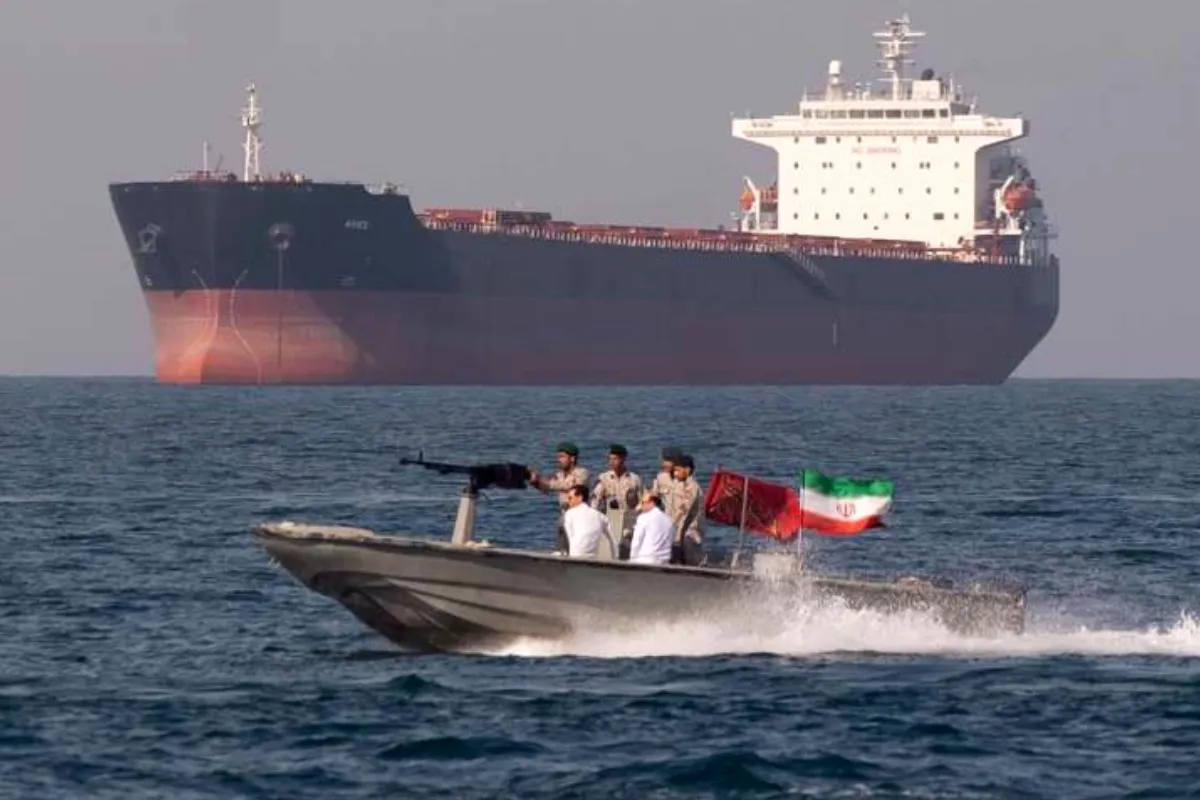
WASHINGTON, D.C. – According to The New York Times, US President Donald Trump miscalculated Iran’s response to the ongoing aggression by a US-Israeli coalition, while the Strait of Hormuz remains largely blocked, causing oil prices to rise sharply.
The newspaper said Trump and his advisers underestimated Iran’s reaction to the unprovoked attacks on February 28, believing that any increase in oil prices would be short-lived, similar to the 12-day conflict last June. However, Tehran’s threats to close the strategic Strait of Hormuz were not taken seriously.
Commercial shipping in the Persian Gulf has largely stopped, and oil prices have spiked, forcing the Trump administration to scramble for ways to ease an emerging economic crisis, which has led to higher gasoline prices in the United States.
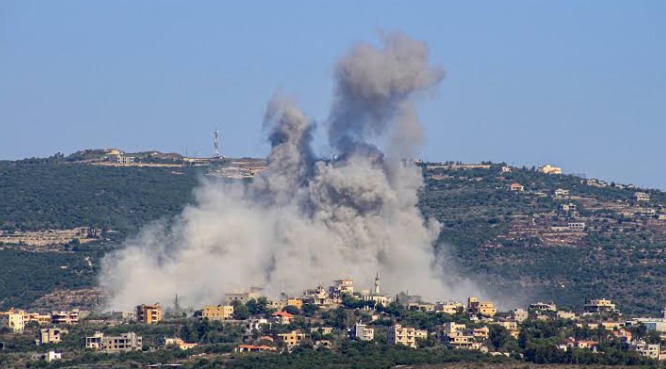
The Times added that Iran responded far more aggressively than last year, firing missiles and drones at US military bases in the Persian Gulf and Israeli-occupied territories.
After a closed-door briefing for lawmakers, Senator Christopher Murphy said the administration had no plan for reopening the Strait of Hormuz safely. Officials inside the White House are reportedly pessimistic about the lack of a clear strategy, though they have avoided expressing this directly to Trump, who continues to claim the war is a success.
War Secretary Pete Hegseth acknowledged that Iran’s ferocious response caught the Pentagon off guard, though he said they were aware it was a possibility. Trump himself expressed frustration over global oil supply disruptions, urging oil tanker crews to “show some guts” and sail through the strait.
The Pentagon reportedly used $5.6 billion worth of munitions in the first two days of the war, a much higher rate than publicly disclosed. Energy Secretary Chris Wright briefly posted on social media that an oil tanker had been successfully escorted through the Strait of Hormuz, causing markets to temporarily stabilize, but removed the post later, adding to market uncertainty.
The conflict began on February 28 when the US and Israel launched air attacks on Iran, assassinating Leader of the Islamic Revolution Ayatollah Seyyed Ali Khamenei and several top military commanders. Iran retaliated swiftly, targeting Israeli-occupied territories and US military bases in neighboring countries.
The situation continues to escalate, with oil prices and regional tensions rising, highlighting the risks of miscalculating Iran’s response in the ongoing conflict.