
How Strait of Hormuz closure in US-Israeli war on Iran could trigger an energy crisis


How Strait of Hormuz closure in US-Israeli war on Iran could trigger an energy crisis
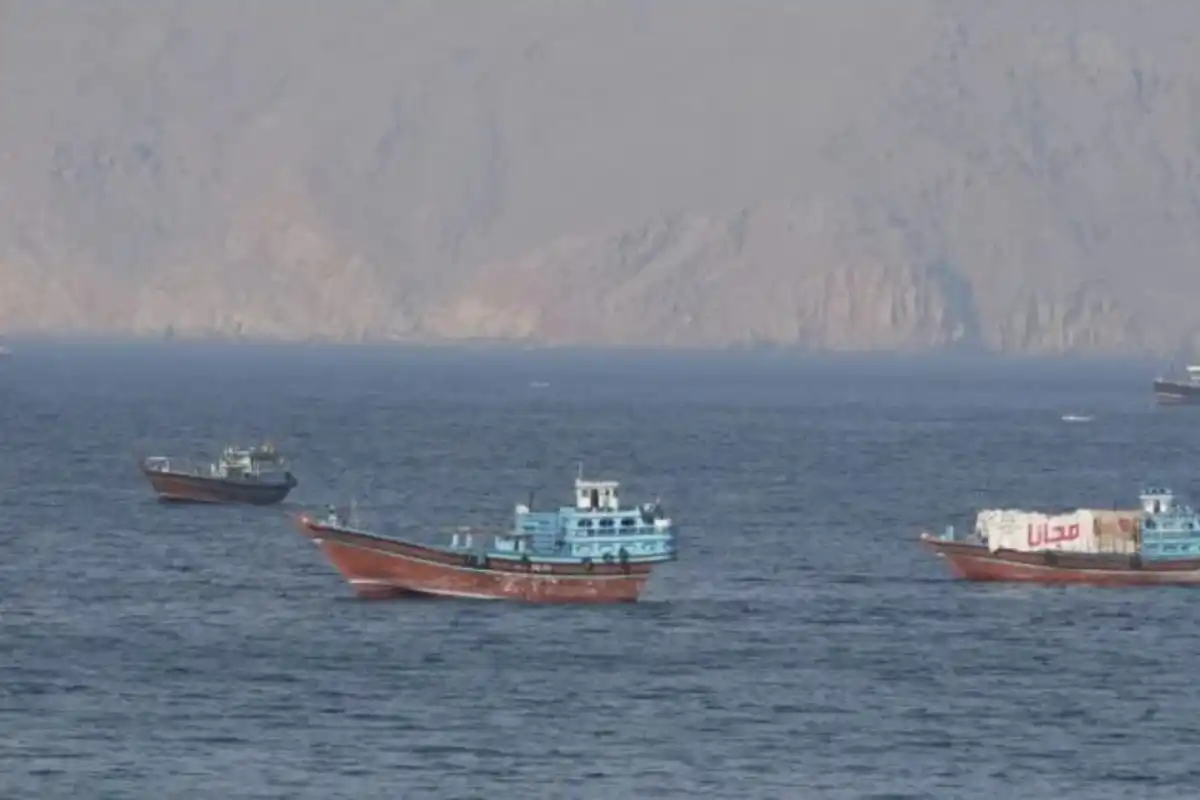
The Strait of Hormuz, one of the world’s most important energy routes, has again become a focus of global economic concern. About one-fifth of the world’s oil supply passes through this narrow waterway every day, linking the Persian Gulf to Asia, Europe, and the United States.
Following the escalating US-Israel military actions against Iran, fears of the strait being closed have shaken financial markets, disrupted energy flows, and raised concerns about a possible global economic shock. More than 20 million barrels of crude oil pass through the strait daily, along with a significant portion of liquefied natural gas (LNG). Any interruption in this flow can affect markets, supply chains, and household budgets worldwide.
Financial markets reacted immediately after the latest conflict. Dubai lost nearly $12 billion in one session, while South Korean equities fell 20 percent, wiping out around $450 billion in value. Japanese markets lost about $650 billion, and the US market saw over $1 trillion vanish from equities.
Oil prices have jumped sharply. Brent crude rose more than 10 percent, surpassing $90 a barrel, and analysts warn that prices could reach $120–$150 per barrel if the conflict continues. US petrol prices have already climbed above $3 per gallon, with fears of reaching $5 if supply disruptions persist.
The conflict has also affected LNG shipments. Qatar, one of the world’s largest LNG exporters, depends on Hormuz for almost all of its exports. Rising insurance premiums and tanker scarcity have pushed LNG tanker costs above $200,000 per day, while some energy producers have halted or reduced operations.
Countries in the Persian Gulf, including Saudi Arabia, UAE, Kuwait, Iraq, and Iran, rely heavily on the strait for energy exports. Alternative pipelines cannot handle the full volume, so any prolonged closure could strand billions of dollars in oil exports and threaten fiscal stability.
Global energy consumers are also at risk. Europe relies on LNG from the Gulf to replace Russian gas, so disruptions could create price spikes and shortages. Gas prices in the UK have jumped 90 percent, while European LNG prices have risen about 50 percent. Industries like petrochemicals, steel, and cement face rising costs and may reduce production or lay off workers.
Transport networks are under pressure too. The temporary shutdown of Jebel Ali Port has disrupted shipping schedules, and airlines have grounded thousands of flights across the region. Each day of closure carries a heavy economic toll, with Dubai’s aviation hub alone potentially losing over $1 billion daily. Israel’s economy also faces losses, estimated at $3 billion in the first two days of the conflict.
The turmoil highlights how much the world economy depends on a single maritime corridor. Iran has warned that ships linked to the US or Israel will be denied passage as long as the aggression continues, reserving the right to take further action.
The situation in the Strait of Hormuz continues to affect energy markets, financial systems, and global supply chains, showing how a conflict in this narrow waterway can ripple across the entire world economy.
Catch all the World News, Breaking News Event and Trending News Updates on GTV News
Join Our Whatsapp Channel GTV Whatsapp Official Channel to get the Daily News Update & Follow us on Google News.
Must Read

Pakistan
Ishaq Dar Congratulates New OIC Secretary-General, Reaffirms Pakistan’s Support
3-September،2026