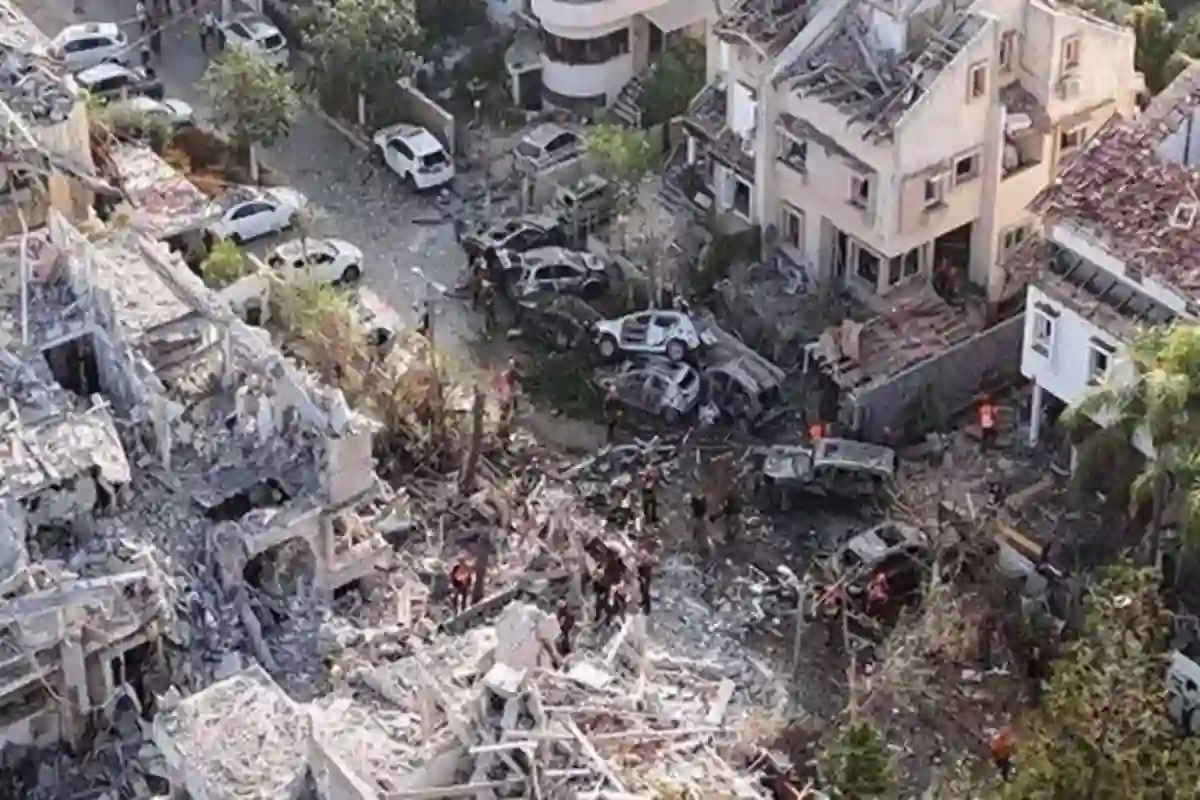
Iran has initiated Wave 64 of its ongoing “Operation True Promise,” carrying out coordinated strikes on key military and strategic locations across Israeli-controlled territories, including Ben Gurion Airport, fuel infrastructure, and military facilities in Haifa and Rishon LeZion.
The operation reportedly began early Thursday, with Iranian forces deploying a range of missile systems such as Qadr, Emad, Kheibar Shekan, and Khorramshahr. Officials in Tehran claimed that all intended targets were successfully hit as part of a broader response to what they describe as Israeli and US military actions in the region.
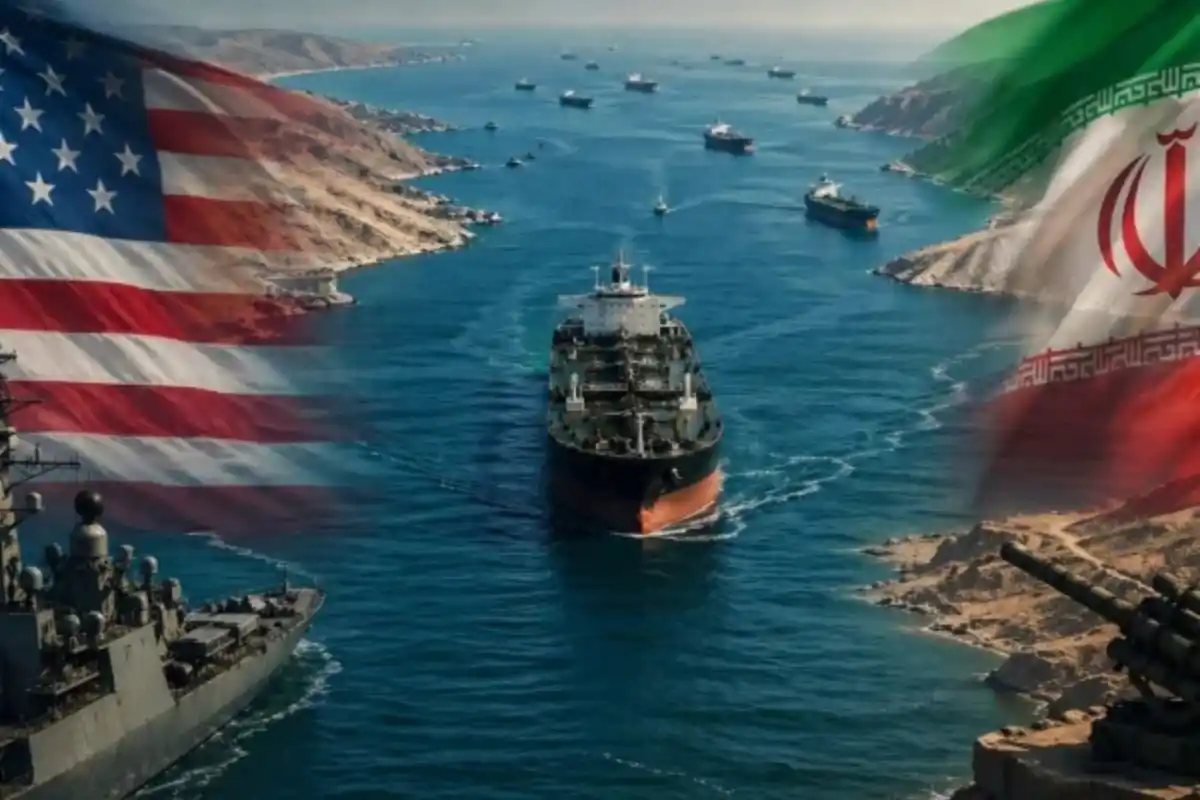
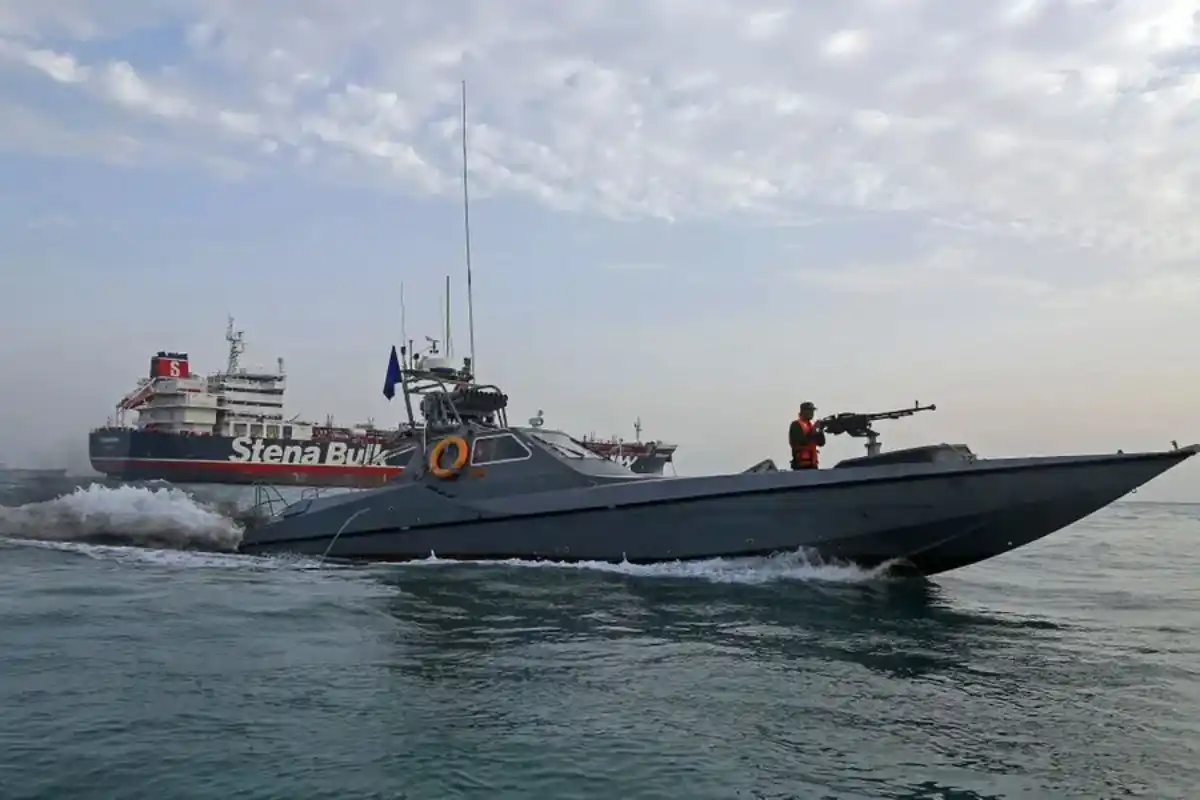
In addition to targets inside Israeli territory, Iran also directed strikes toward the US Fifth Fleet positioned in the Persian Gulf, using mid-range missiles. Iranian authorities stated that the operation remains ongoing.
Reports suggest that millions of residents in the affected areas have been forced into shelters amid the escalation. Iranian officials characterized the strikes as direct retaliation against Israel and the United States.
Meanwhile, the Islamic Revolution Guards Corps (IRGC) announced that it had intercepted Israeli-made “Heron” and Herbiter (Harop) drones over Tehran and Karaj. According to the IRGC, the drones were conducting surveillance over sensitive locations before being neutralized.
The IRGC further noted that life in shelters has increasingly become routine for residents in Israeli territories, with limited opportunities to move freely due to ongoing threats.
Drone Strikes Target Key Installations
Separately, the Iranian Army confirmed it carried out drone operations targeting several strategic sites. These actions were described as retaliation linked to the deaths of the crew of the Dena destroyer and the killing of Intelligence Minister Ismail Khatib.
The strikes, launched Thursday morning, focused on multiple locations including the ministry of internal security in al-Quds, the Channel 13 television network in Tel Aviv, and facilities associated with ground forces at the Ar’ar base.
According to the Army, the ministry of internal security serves as a major crisis management hub, while Channel 13 is viewed as a significant media platform involved in shaping narratives against Iran. The Ar’ar base, located near the borders with Lebanon and Syria, is considered a strategic military position.
The Army also indicated that a new generation of attack drones was used in this phase of operations.
Details of Previous Wave and Strategic Messaging
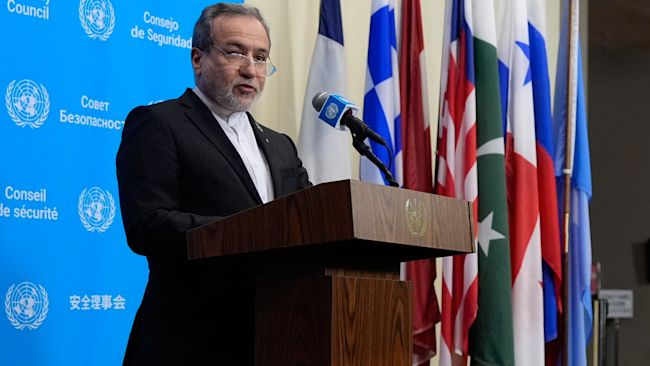
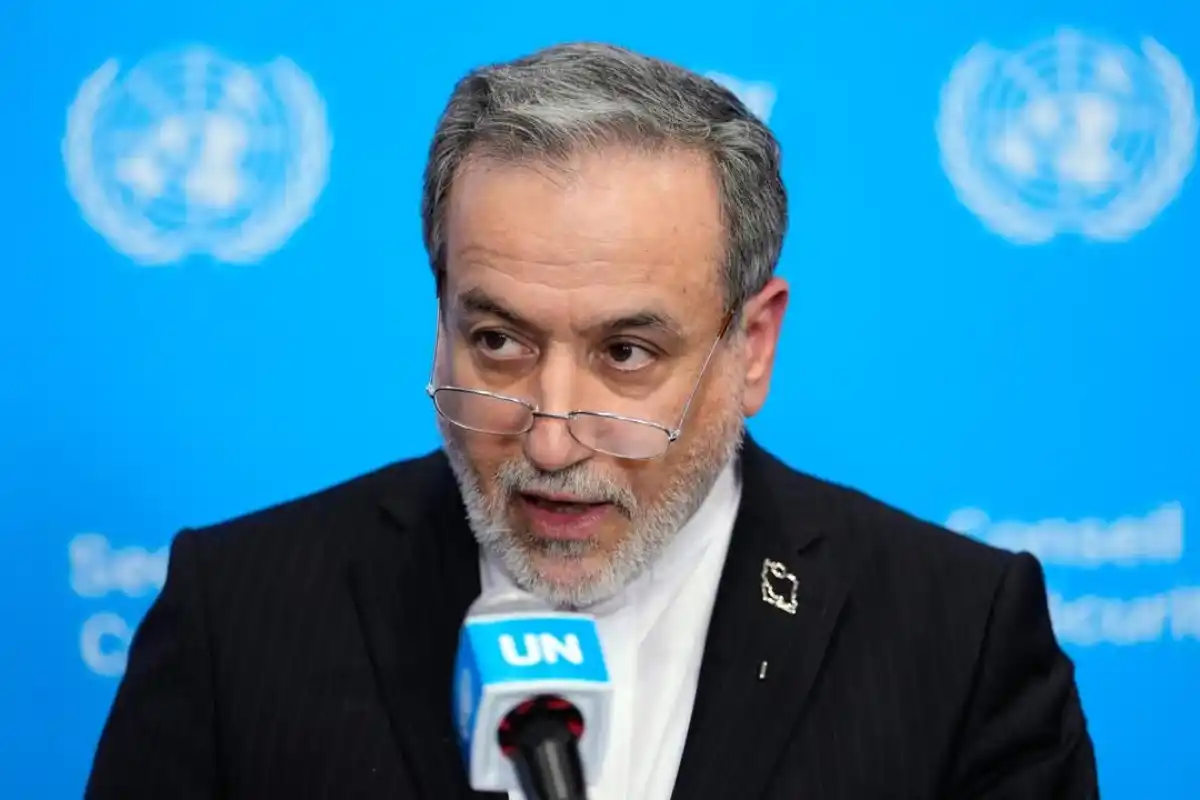
Further insights into Iran’s broader military campaign were provided by Colonel Ibrahim Zolfaghari, spokesperson for the Central Headquarters of Khatam al-Anbia.
He stated that Iran does not aim to expand the conflict to include oil infrastructure or harm the economies of neighboring countries. However, he warned that any further attacks would prompt a significantly stronger response.
Zolfaghari explained that Wave 63, conducted a day earlier, targeted US-linked oil facilities in response to strikes on Iran’s own energy infrastructure. He described those earlier attacks as deliberate attempts to escalate tensions.
According to him, Iranian forces responded swiftly by launching strikes that damaged several US-associated energy sites, emphasizing that the actions were taken to defend national interests.
He also warned that continued attacks on Iran’s infrastructure would result in sustained retaliation targeting the adversary’s energy assets.
Expanded Regional Operations
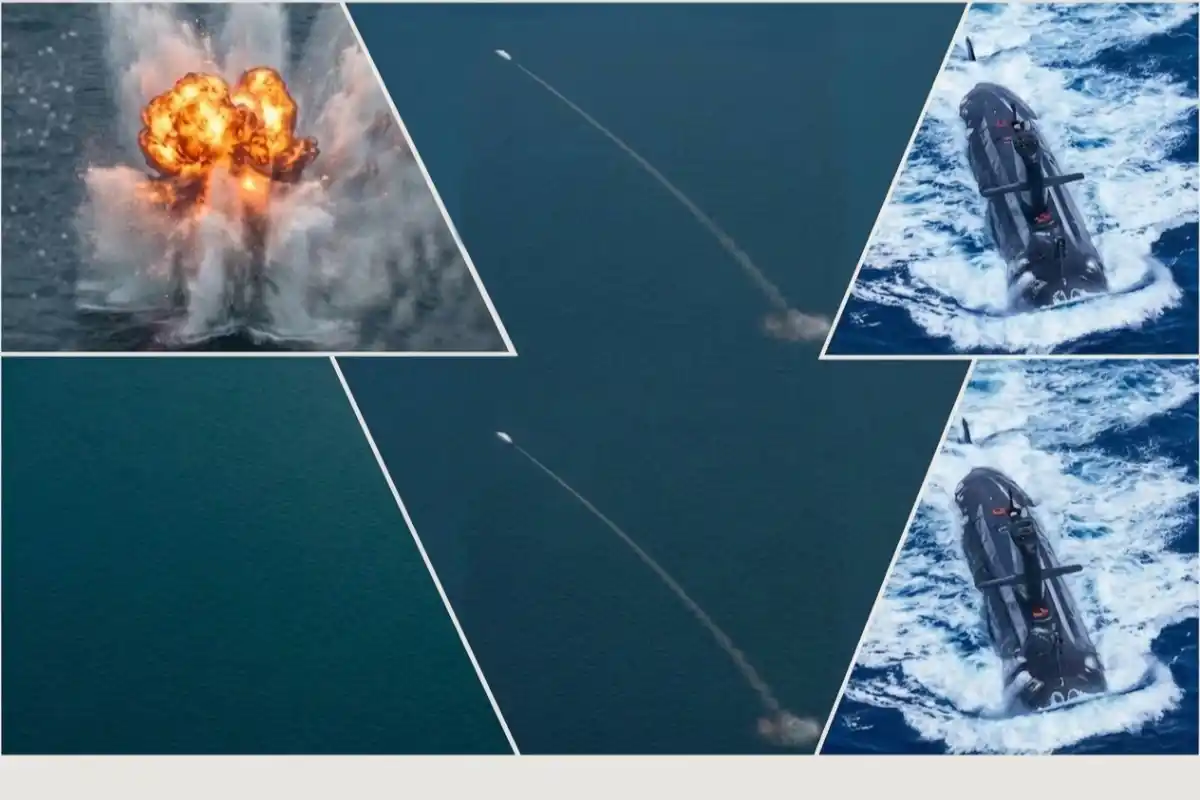
As part of the broader campaign, the IRGC Navy reportedly struck key US military installations, including the Mena Salman base in Bahrain and the al-Adiri helicopter base in Kuwait. These strikes targeted critical infrastructure such as fuel storage, radar systems, and military equipment using a mix of missiles and drones.
In addition, Iran’s Aerospace Forces conducted multi-warhead strikes on command centers in southern Israeli territories, reportedly causing significant damage.
Colonel Zolfaghari added that Iranian air defense systems had successfully intercepted two additional enemy drones over Tehran earlier on Thursday, noting that such interceptions have become frequent throughout the ongoing conflict.