
No Birth Certificate? NADRA Now Lets Millions of Pakistanis Get Their CNIC Without It

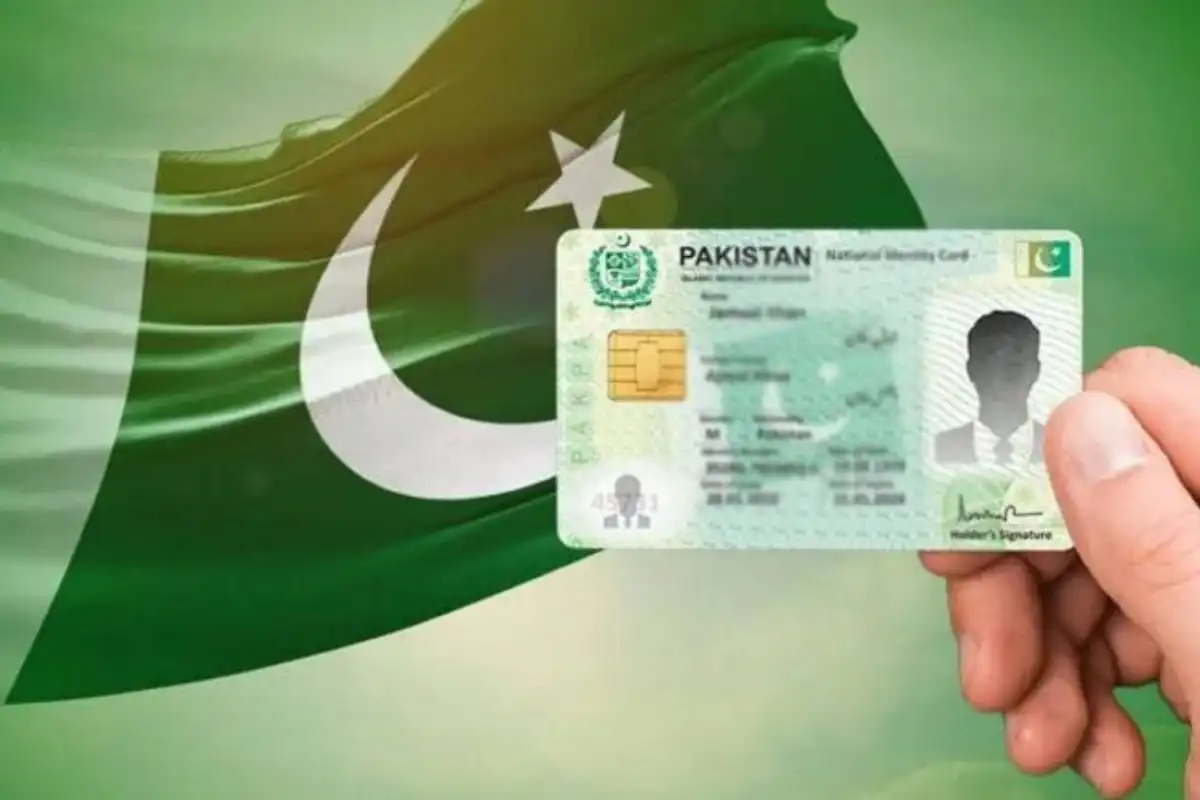
NADRA makes CNIC process easier with optional signature rule
For millions of Pakistani citizens, the absence of a birth certificate has long meant living in a bureaucratic blind spot — unable to access banking, healthcare, voting rights, or government services. NADRA has now moved to close that gap with a policy shift that could be the most significant identity registration reform in years.
What NADRA Has Actually Changed
The National Database and Registration Authority has suspended the birth certificate requirement for specific segments of the population seeking a new Computerised National Identity Card. This is not a blanket exemption for everyone — eligibility is defined by age and gender.
Women aged 18 and above, and men aged 24 and above, qualify under this special facility. Applicants must meet alternative verification conditions set by NADRA in place of the standard birth certificate. The authority has not publicly detailed every substitute document accepted, but the framework is designed to accommodate individuals whose birth was never formally registered — a reality far more common in rural and underserved communities than official figures typically reflect.
The Scale of the Problem This Policy Addresses
NADRA‘s own data points to approximately three percent of Pakistan’s population remaining completely unregistered. That figure sounds small until you apply it to a country of over 230 million people — translating to roughly seven million individuals with no legal identity on record.
Critically, two-thirds of that unregistered population are women. This gender imbalance is not accidental. Structural barriers including limited mobility, lack of documentation at birth, early marriage, and social customs that deprioritise women’s administrative registration have compounded over decades. A policy that specifically lowers the threshold for women aged 18 and above directly targets this disparity.
Why This Matters Beyond a Simple Policy Update
Legal identity is the entry point for virtually every formal system in a modern state. Without a CNIC, a Pakistani citizen cannot open a bank account, register a SIM card, vote, access subsidised utilities, or file legal documents. Children of unregistered parents face compounding disadvantages — their own registration becomes harder, perpetuating a cycle across generations.
This NADRA initiative, if implemented effectively, represents a structural intervention rather than an administrative convenience. The December 31, 2026 deadline creates urgency, which policy analysts generally view positively — open-ended exemptions tend to produce lower uptake than time-bound campaigns.
CNIC Fee Structure: Your Three Options
NADRA offers applicants three processing tiers for new CNIC issuance:
The Normal service carries no fee and processes the card within 15 days — the practical choice for applicants without time pressure. The Urgent service costs Rs1,150 and delivers within 12 days, suitable for those who need documentation within weeks. The Executive service, priced at Rs2,150, guarantees delivery in just six days — the fastest route for applicants facing immediate administrative deadlines.
FAQ: Key Questions Answered
Does this apply to CNIC renewal? The announced policy specifically targets new CNIC issuance for previously unregistered individuals, not standard renewals.
What replaces the birth certificate? NADRA requires alternative conditions be fulfilled — applicants should visit their nearest NADRA office for case-specific guidance, as accepted substitutes may vary by circumstance.
What happens after December 31, 2026? The exemption lapses unless extended. Eligible individuals should act well before the deadline to avoid reverting to standard documentation requirements.
The Outlook: Will It Work?
Policy intention and ground-level implementation are two different things in Pakistan’s registration landscape. Previous NADRA outreach campaigns have shown that awareness gaps — particularly in rural Sindh, southern Punjab, and parts of Balochistan — often limit uptake among the very populations a policy targets.
For this reform to deliver its potential, field-level registration drives, Urdu and regional language communication, and mobile NADRA units in underserved areas will be essential companions to the policy itself.
The window is open. Whether enough people walk through it before December 31, 2026 depends on execution as much as eligibility.
Catch all the Pakistan News, Breaking News Event and Trending News Updates on GTV News
Join Our Whatsapp Channel GTV Whatsapp Official Channel to get the Daily News Update & Follow us on Google News.
Must Read
Pakistan
16 Terrorists Killed as Security Forces Continue Operation Al-Azm in Balochistan
26-July،2026