
Yemen’s Ansarullah Warns US After Trump Rejects Iran Peace Plan — What Happens Next


Yemen's Ansarullah Warns US After Trump Rejects Iran Peace Plan — What Happens Next
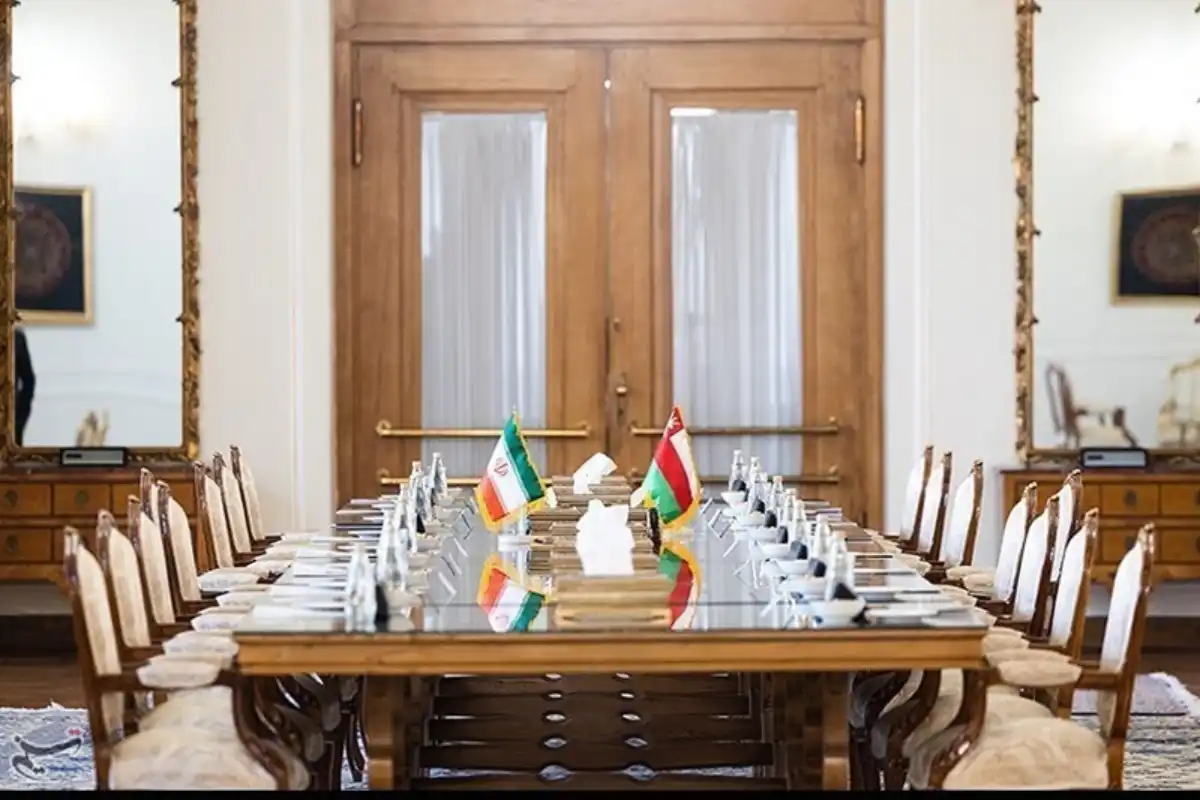
When Pakistan delivered Iran’s formal counterproposal to Washington on Sunday, there was a narrow window for de-escalation across one of the world’s most volatile regions. Trump slammed it shut within hours, calling the response “completely unacceptable.” What followed was not silence — it was a direct warning from Yemen’s Ansarullah movement that the United States would bear consequences of its own making.
What Ansarullah Actually Said — and Why It Matters
Nasruddin Amer, deputy head of Ansarullah’s media office, posted on X that American “mobilization and intransigence” had made the rejection predictable from the start. His statement placed responsibility squarely on Washington, arguing that the US entered the process without genuine intent to negotiate.
Amer also drew a direct line between Trump’s rejection and his contact with Israeli Prime Minister Benjamin Netanyahu — framing the decision not as an independent American policy judgment but as one shaped by Tel Aviv’s strategic interests. That framing, whether accurate or rhetorical, carries significant weight across the Arab world and signals how Ansarullah intends to present this breakdown to regional audiences.
What Iran’s Proposal Actually Contained
Iran’s counterproposal, described by Tehran as generous, was built around four core demands: full compensation for war damages, the lifting of all US sanctions, release of frozen Iranian assets, and formal recognition of Iran’s sovereignty over the Strait of Hormuz.
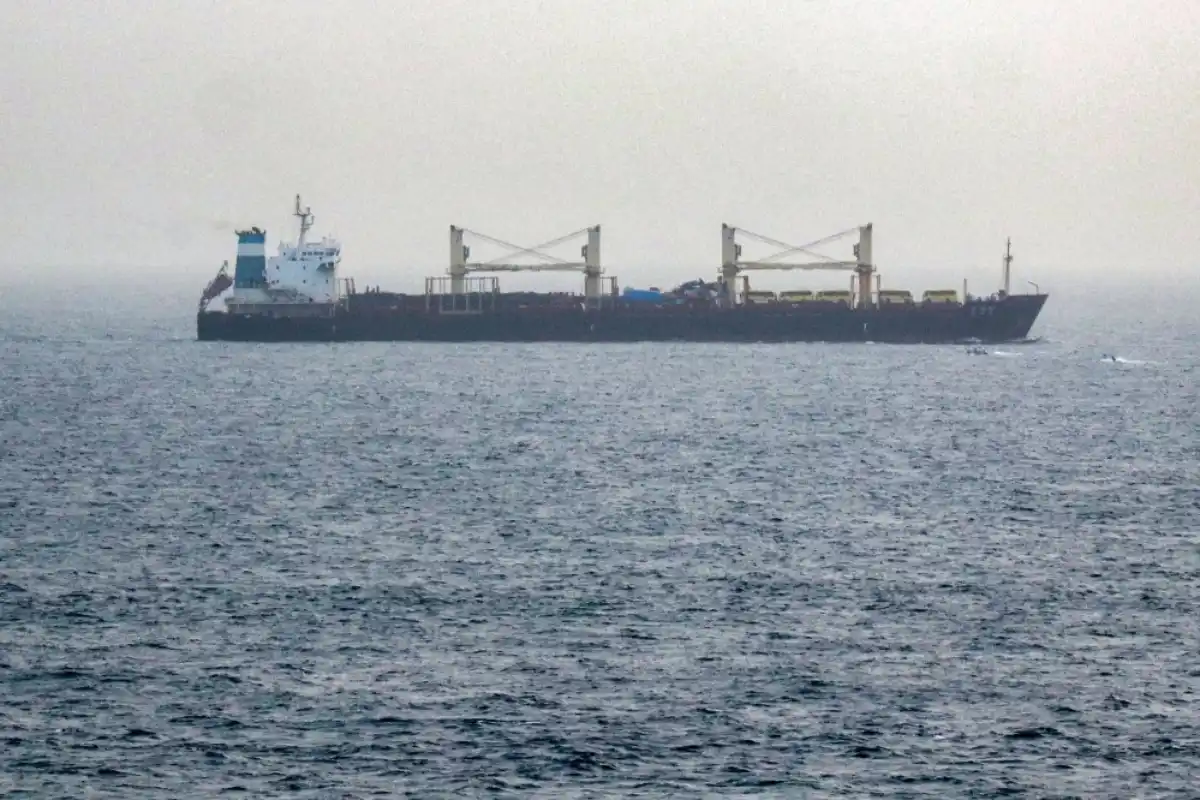
That last point is the sharpest edge in the document. The Strait of Hormuz is the passage through which roughly 20 percent of global oil supply flows daily. Any formal acknowledgment of Iranian sovereignty over it would fundamentally alter the balance of maritime power in the Persian Gulf — something Washington has resisted across multiple administrations, regardless of political party.
An informed Iranian source told Tasnim News Agency that the proposal was written exclusively to protect Iranian national rights, not to satisfy Trump. “If Trump is unhappy with it, that is actually better,” the source said — a statement that reveals Tehran’s current negotiating posture: domestic legitimacy over diplomatic compromise.
The Netanyahu Factor
Trump’s confirmation to Axios that he discussed Iran’s response with Netanyahu adds a layer that demands scrutiny. US-Iran negotiations have historically been complicated by Israeli opposition to any arrangement that does not permanently dismantle Iran’s nuclear and military capabilities. Netanyahu’s government has consistently lobbied against deal frameworks that Washington and Tehran might otherwise find workable.
If Trump’s rejection was coordinated with or influenced by that conversation — as Ansarullah explicitly suggested — then the collapse of this round of talks reflects a three-way dynamic, not simply a bilateral breakdown between Washington and Tehran.
Why Pakistan’s Role Deserves Attention
The use of Pakistan as a mediating channel to deliver Iran’s proposal to the US is itself a significant diplomatic development. Pakistan occupies a complex position — a longtime US security partner that simultaneously maintains functional relations with Iran and hosts influence networks connected to multiple regional actors.
Islamabad’s willingness to carry the document signals that Pakistan is actively positioning itself as a back-channel bridge in a conflict where formal diplomatic lines remain broken. Whether that role expands or collapses alongside these talks will shape Pakistan’s regional standing considerably.
The Strait of Hormuz: The Real Flashpoint
Analysts have long warned that any military escalation involving Iran would almost certainly involve the Strait of Hormuz as a pressure point. Ansarullah’s warning of consequences “whatever their scale and form” is deliberately unspecific — but in the context of Houthi missile and drone campaigns that have already disrupted Red Sea shipping, the implication is clear.
A sustained Houthi escalation in maritime corridors, combined with Iranian pressure at Hormuz, would send energy prices climbing globally — a consequence that extends well beyond regional politics into economies from Europe to East Asia.
What Comes Next
Three scenarios now dominate the strategic outlook. First, back-channel talks resume quietly through Pakistan or another intermediary, with both sides privately adjusting their positions while maintaining public hardlines. Second, talks collapse entirely and Ansarullah escalates maritime operations, forcing a US military response that widens the conflict. Third, a partial agreement emerges on sanctions relief alone, separating economic from security issues — a formula that has occasionally worked in Iran negotiations historically.
The third path is narrow but not impossible. What makes it harder this time is the explicit Netanyahu variable and an Iranian domestic audience that has been told, repeatedly, that compromise equals capitulation.
Catch all the World News, Breaking News Event and Trending News Updates on GTV News
Join Our Whatsapp Channel GTV Whatsapp Official Channel to get the Daily News Update & Follow us on Google News.
Must Read

Pakistan
16 Terrorists Killed as Security Forces Continue Operation Al-Azm in Balochistan
26-July،2026