The Comeback Series Finale Explained — AI Twist, Billy’s Dark Turn and Valerie’s Powerful Final Stand


The Comeback Series Finale Explained — AI Twist, Billy's Dark Turn and Valerie's Powerful Final Stand
Twenty-two years after audiences first met Valerie Cherish desperately chasing a camera, The Comeback closed its story with her doing the opposite — standing still, head high, quietly daring the industry to look away. The series finale of HBO’s defining Hollywood satire is being called one of the most emotionally precise endings in recent television history. Dan Bucatinsky, who plays manager Billy Stanton, has now opened up about the creative decisions behind it — and what he reveals reframes the entire final season.
How Season 3 Came Together — and Why AI Was the Only Logical Direction
The Comeback was created by Michael Patrick King and Lisa Kudrow, who built the show around Valerie Cherish — a faded sitcom actress navigating Hollywood’s cruelty through reality television. Seasons one and two established the template. Season three shattered it by centering the narrative on an AI-written sitcom, drawing directly from anxieties raised during the Hollywood writers’ and actors’ strikes.
According to Bucatinsky, HBO approved the concept quickly once King and Kudrow developed it — and the team moved fast to ensure the season aired while the topic retained cultural urgency. That speed is evident in the final product. Each episode functions as a distinct chapter rather than a conventional serialised arc, giving the season a structural confidence that most prestige television takes years to develop.
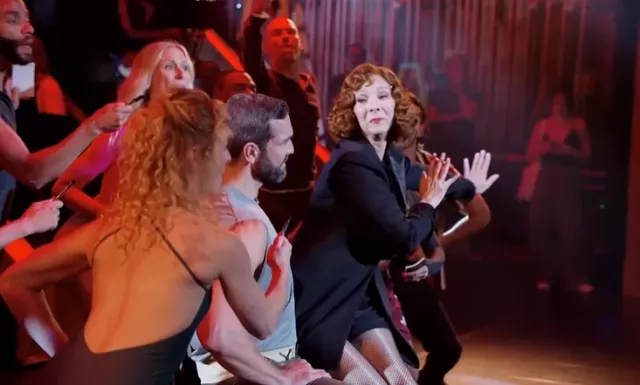
Bucatinsky admitted his initial scepticism — whether the writers could genuinely balance sharp AI satire with emotional character depth. The scripts dissolved those doubts immediately. The opening episode alone achieves something remarkable: it fulfils a long-teased dream sequence of Valerie rehearsing for Chicago before pivoting the entire premise toward artificial intelligence and what it means for working actors.
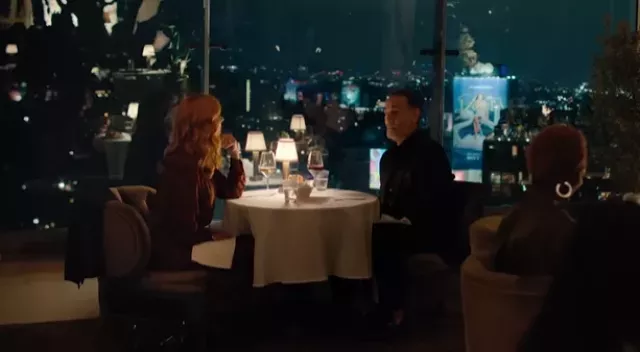
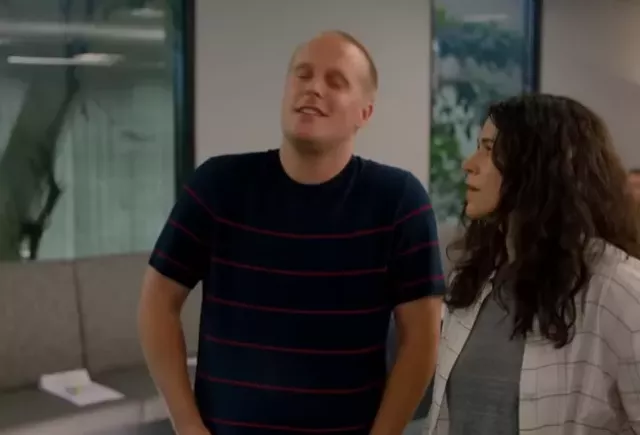
Billy’s Transformation: Fame Hunger as a Character Study
The most analytically rich element of Season 3 is Billy Stanton’s arc. Where Valerie began the series as the desperate attention-seeker, Billy has absorbed and amplified every toxic quality she once embodied — and then escalated them beyond recognition.
Bucatinsky describes Billy’s evolution as believable precisely because it is gradual. The same person who shoved competitors aside in Season 1 has simply had twenty-two more years to perfect the behaviour. By the finale, Billy is using therapy sessions not as genuine repair but as a potential reality-television pitch — engineering emotional vulnerability for camera access rather than personal growth.
That detail is the show’s sharpest satirical observation. Therapy as content. Intimacy as brand strategy. It is a behaviour pattern increasingly visible in celebrity culture, and The Comeback names it without flinching.
Bucatinsky’s own words capture the character’s logic precisely — Billy saw every opportunity, including his deteriorating friendship with Valerie, as a potential spotlight. The tragedy is that he never recognised what he was losing while pursuing what he thought he wanted.
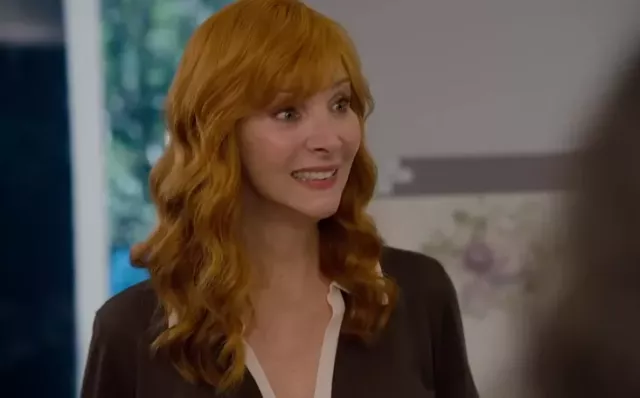
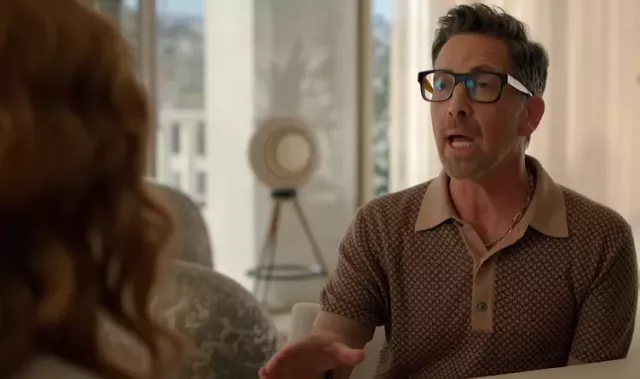
Valerie’s Shift: From Seeker to Stabiliser
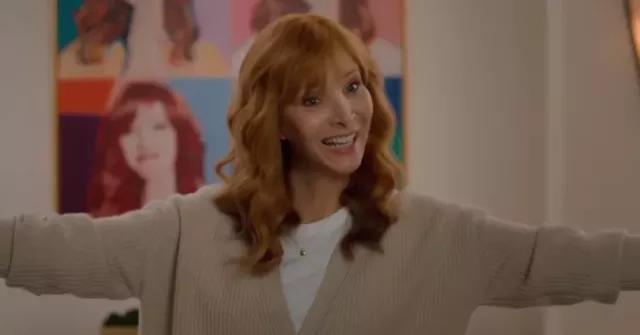
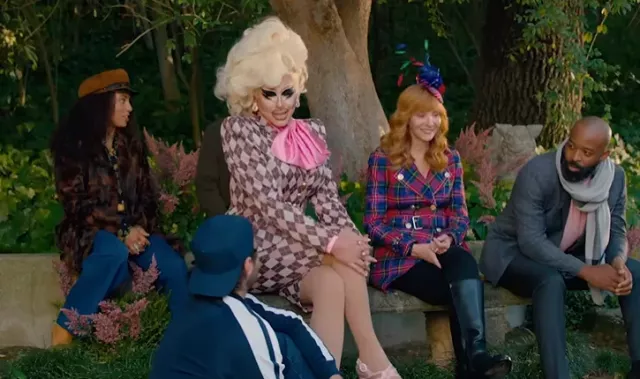
The structural inversion at the heart of Season 3 is what elevates it above conventional satire. Valerie — historically the most desperate person in any room — becomes the emotional anchor while everyone around her unravels chasing attention.
Bucatinsky connects this directly to social media culture. Platforms have democratised the hunger for visibility that Valerie once embodied alone. Mark, Jane, Billy — every supporting character has become their own version of Valerie Cherish, performing for audiences that may or may not exist. Valerie, meanwhile, has quietly outgrown the need.
Her final interview scene crystallises this transformation. She does not break. She does not apologise. She simply states — calmly, without performance — that she has been present all along, and that the industry’s misreading of her was never her problem to solve.
What “I’ve Been Here All Along” Actually Means
That line functions on multiple levels simultaneously. As a message to Jane, it challenges the documentary gaze that has followed Valerie across three seasons — suggesting the real story was always visible to anyone willing to look honestly. As a message to viewers, it reframes the entire series: Valerie was never the tragedy. The industry that failed to see her clearly was.
As a commentary on AI and technological disruption, it carries a third meaning — that human presence, perseverance, and adaptability cannot be replicated or replaced by algorithmic production, regardless of how efficiently content gets generated.
FAQ
Is The Comeback officially over after Season 3? The finale has been positioned as a series conclusion, though HBO has not issued a formal cancellation statement.
What is the AI sitcom storyline about? Valerie is cast in what becomes the first AI-written sitcom — a premise directly inspired by Hollywood strike-era debates about artificial intelligence replacing writers.
Did Billy and Valerie reconcile in the finale? Their relationship ends without clean resolution — Valerie moves forward while Billy remains trapped in his own attention loop.
Catch all the Entertainment News, Breaking News Event and Trending News Updates on GTV News
Join Our Whatsapp Channel GTV Whatsapp Official Channel to get the Daily News Update & Follow us on Google News.
Must Read