Devil Wears Prada 2 Salary Revealed — Meryl Streep Took Pay Cut So Hathaway and Blunt Earned Equal $12.5M

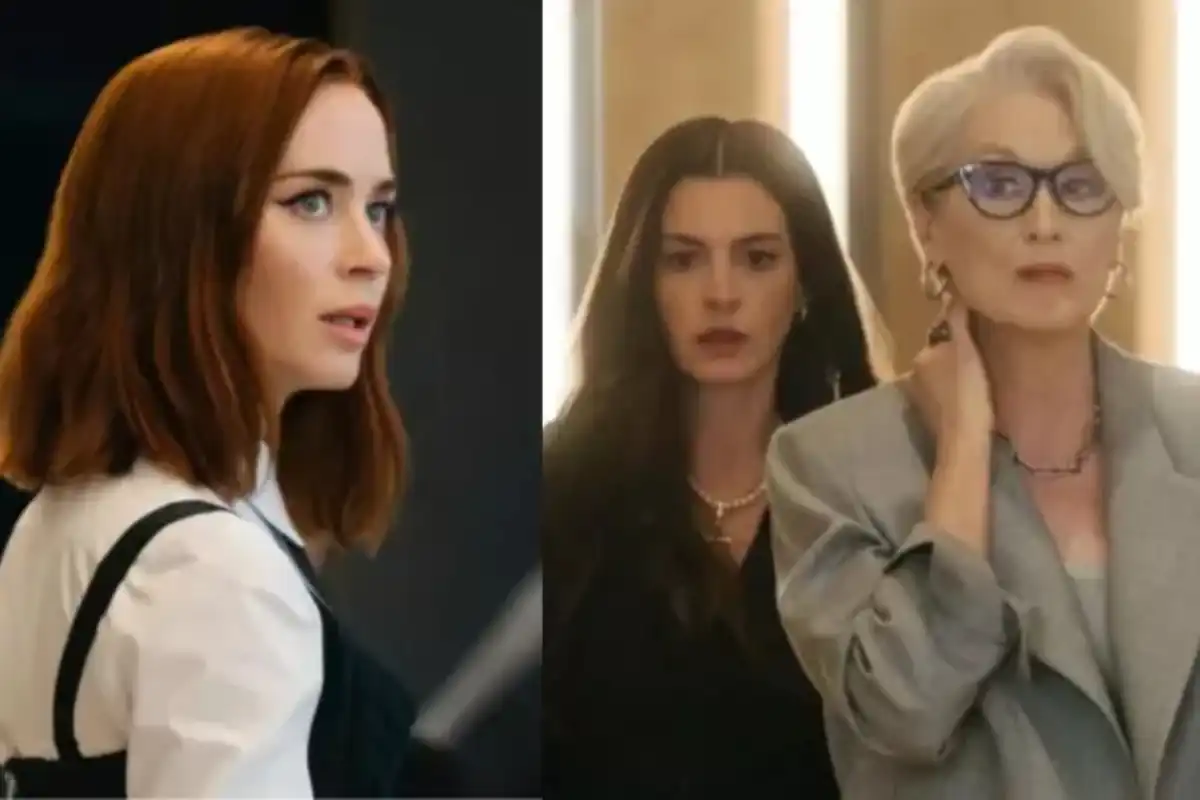
Devil Wears Prada 2 Salary Revealed — Meryl Streep Took Pay Cut So Hathaway and Blunt Earned Equal $12.5M
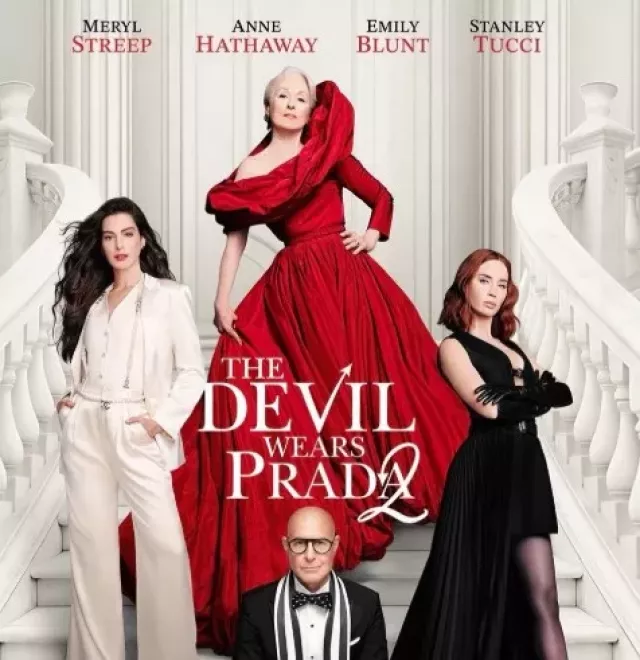
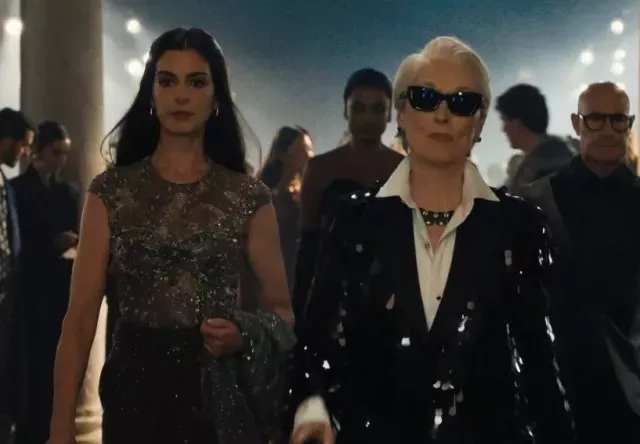
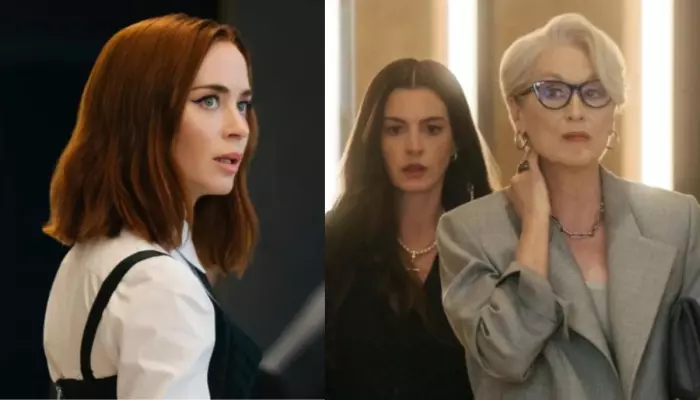
When The Devil Wears Prada 2 opened on May 1, 2026, the conversation split immediately between the film itself and the business decisions behind it. The most revealing of those decisions had nothing to do with casting or directing — it was Meryl Streep voluntarily reducing her own salary so that Anne Hathaway and Emily Blunt could reach the same pay level as one of Hollywood’s most decorated actresses. In an industry where pay disparity between established and emerging stars is the norm rather than the exception, that choice deserves more analytical attention than it has received.
The Favoured Nations Deal: What It Actually Means
Industry sources confirmed to Variety that all three lead actresses — Streep, Hathaway, and Blunt — negotiated a favoured nations agreement with the distributor. Under this arrangement, each actress received an identical base fee of $12.5 million regardless of individual star power, box office history, or negotiating leverage.
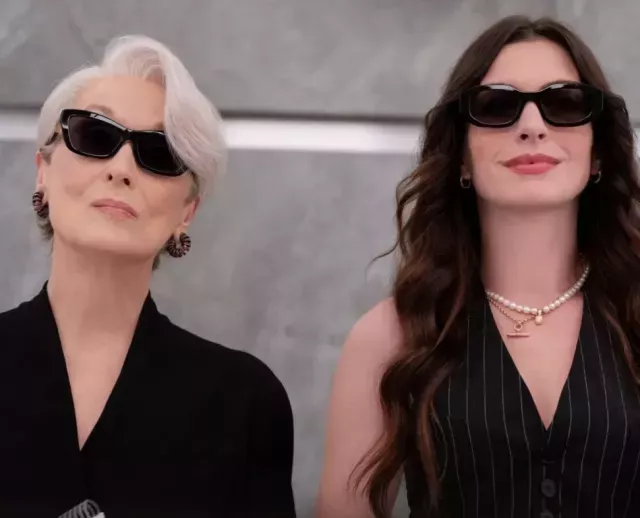

Favoured nations clauses are not unusual in ensemble productions, but they typically apply to performers of comparable market value. Applying one to a cast that includes Meryl Streep — a three-time Academy Award winner whose billing alone carries commercial weight that no other living actress can match — required Streep to accept less than the market would have paid her independently.
That is not a small concession. Streep’s individual asking price for a high-profile sequel to one of the most culturally enduring films of the 2000s would almost certainly have exceeded $12.5 million in a standard negotiation. The fact that she settled for parity is both a statement about her relationship with her co-stars and a deliberate signal about how she believes Hollywood should conduct its business.
The upside potential is equally significant. All three actresses reportedly negotiated box office performance bonuses that could add up to $20 million each if the film hits specific commercial thresholds — meaning the total compensation package rewards collective success rather than individual billing position alone.
Streep’s 2006 Negotiation: The Context That Makes This More Interesting
Meryl Streep’s salary history with this franchise is itself a study in evolving negotiating power. In a candid Deadline conversation, Streep revealed that she initially declined the original Devil Wears Prada in 2006 — not because she disliked the script, which she described as great, but as a deliberate test of her leverage. When the studio immediately agreed to double her asking price, she recognised something she had taken two decades of career success to fully understand: that she had the power to demand more and the industry would pay it.
That lesson from 2006 — learned at age 50-something, by her own account — makes her 2026 decision to accept pay parity even more meaningful. She now understands her market value precisely, which means her choice to equalise compensation with Hathaway and Blunt was informed, voluntary, and strategically conscious rather than naively generous.
What the Film Is Actually About
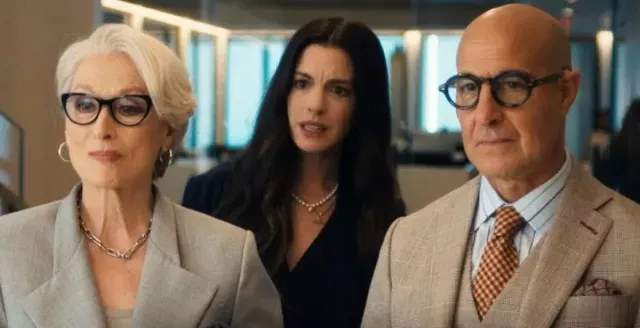
Directed by David Frankel and written by Aline Brosh McKenna — the same director-writer pairing behind the original — The Devil Wears Prada 2 picks up twenty years after the events of the first film. Miranda Priestly remains at Runway. Andy Sachs has spent two decades building a serious investigative journalism career, only to be abruptly laid off alongside her colleagues in the film’s opening sequence — moments after receiving a professional achievement award.
Runway subsequently hires Andy as a features editor, recreating the central tension of the original: a talented journalist navigating Miranda’s impossible standards and the fashion world’s particular cruelties. The supporting cast includes Justin Theroux, Simone Ashley, Kenneth Branagh, and Tracie Thoms — a roster that signals serious dramatic ambition alongside the franchise’s established commercial appeal.
The mixed critical reception following its May 1 release reflects the inherent difficulty of sequel filmmaking for beloved originals. The first Devil Wears Prada succeeded partly through novelty — the world it revealed felt fresh and specific. Recreating that feeling twenty years later, with an audience that has spent two decades consuming fashion industry content across multiple platforms, requires the sequel to find new angles on familiar dynamics.
The Pay Parity Signal and Its Industry Implications
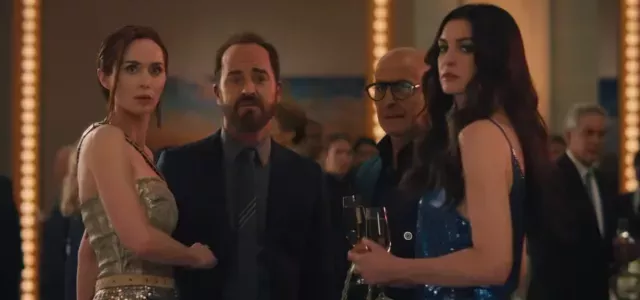
Streep’s salary decision arrives at a moment when Hollywood’s compensation gender gap remains a persistent and documented problem. High-profile cases — from the Sony email hack revelations in 2014 to ongoing Screen Actors Guild research — have consistently shown that female stars earn less than male counterparts at equivalent career stages, and that pay parity within all-female ensembles is rarer than public statements from studios typically suggest.
A favoured nations deal among three actresses of this calibre, anchored by the voluntary concession of the highest-value performer, creates a precedent that industry observers are already noting. It demonstrates that pay equalisation in premium ensemble productions is practically achievable when the most powerful party in a negotiation chooses solidarity over individual maximisation.
Whether other A-list performers follow that model depends on factors well beyond goodwill — including studio financial structures, agent incentives, and the individual career calculations of performers whose leverage varies enormously by project. But Streep’s choice provides a concrete, publicised example that future negotiations can reference.
Devil Wears Prada 3: The Condition the Stars Have Already Named
Within days of the sequel’s release, public conversation turned to the possibility of a third film. Streep, Hathaway, and Blunt addressed the question collectively in a People interview, reaching unanimous agreement on a single condition: the script. All three stated they would return for a third film if the writing justified it — a position that is simultaneously diplomatically safe and genuinely meaningful given that script quality was clearly the primary creative standard applied to this sequel’s development.
The box office performance of Devil Wears Prada 2 will shape that conversation considerably. If the film hits the commercial thresholds that trigger the reported $20 million bonus clauses, studio appetite for a third instalment will be immediate and significant. If it underperforms, the conversation about a sequel will cool regardless of the cast’s stated willingness.
FAQ
How much did Meryl Streep earn for Devil Wears Prada 2? The same as her co-stars — $12.5 million base under a favoured nations agreement, plus potential box office bonuses of up to $20 million.
What is a favoured nations deal? A contractual arrangement ensuring all parties receive identical compensation terms regardless of individual market value or negotiating power.
Will there be a Devil Wears Prada 3? All three lead actresses said they would return if the script is strong enough — no formal announcement has been made.
When did Devil Wears Prada 2 release? May 1, 2026.
Catch all the Entertainment News, Breaking News Event and Trending News Updates on GTV News
Join Our Whatsapp Channel GTV Whatsapp Official Channel to get the Daily News Update & Follow us on Google News.
Must Read

Pakistan
KP Citizens Unhappy with PTI Performance, Demand Change in CM Sohail Afridi
29-September،2026

Pakistan
Pakistan Army Medical Team Saves Teenager’s Life with Successful Brain Surgery
29-September،2026