Marilyn Monroe’s Last Interview Revealed — What She Really Said

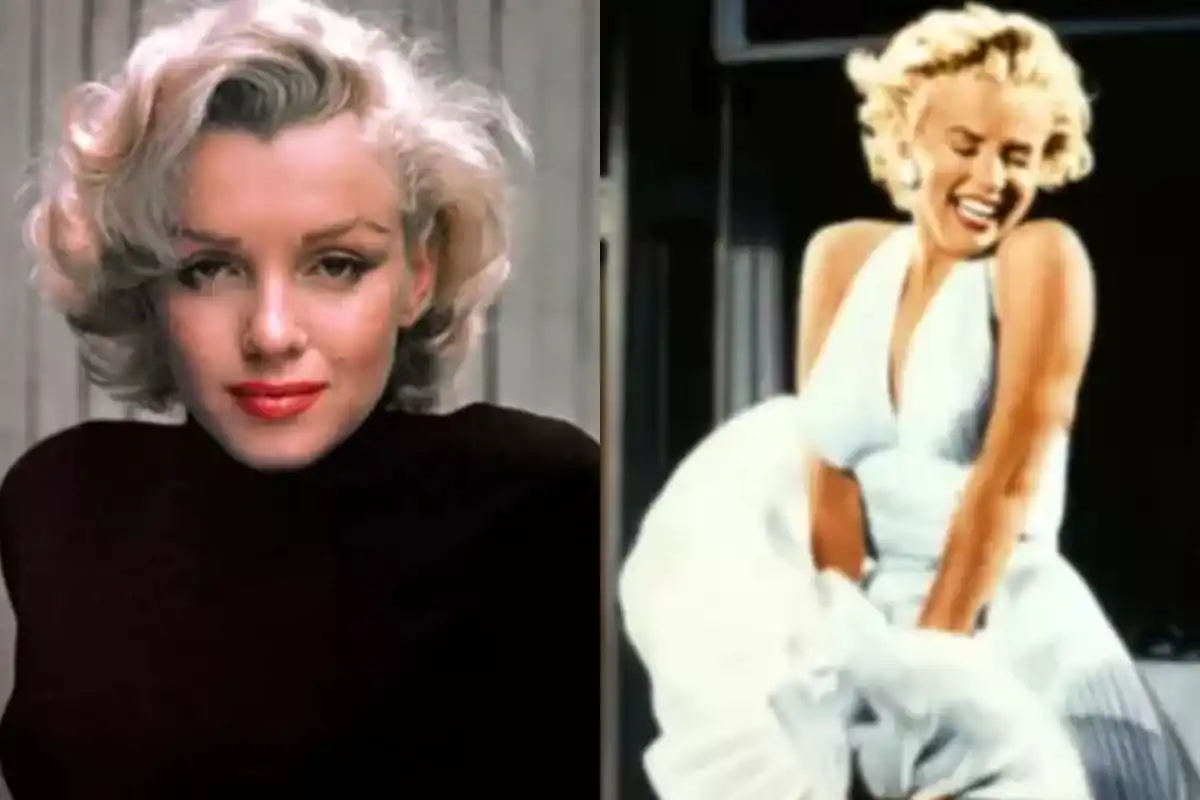
Marilyn Monroe's Last Interview Revealed — What She Really Said
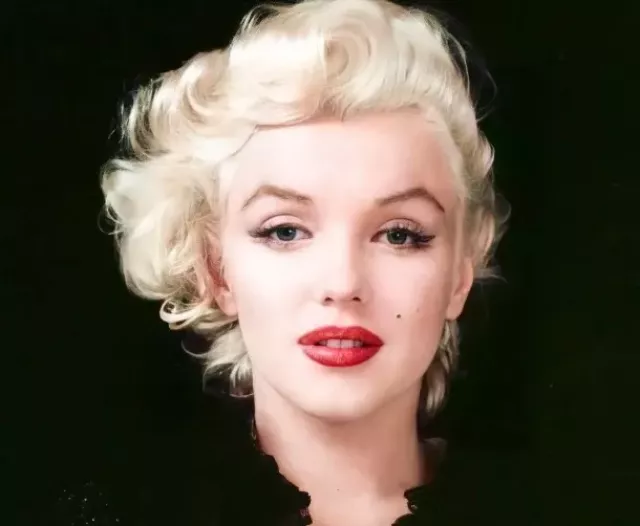
The most photographed woman of the twentieth century gave one final interview before her death — and in it, she systematically dismantled almost every assumption the world had built around her image. Marilyn Monroe spoke to Life magazine editor Richard Meryman in what would become her last recorded extended conversation. Those words, now published for the first time in full in Marilyn: The Lost Photographs, The Last Interview, reveal a woman of startling self-awareness, genuine intellectual depth, and profound personal longing — none of which the Hollywood machine ever had commercial interest in showing.
What She Actually Said About Being a Sex Symbol
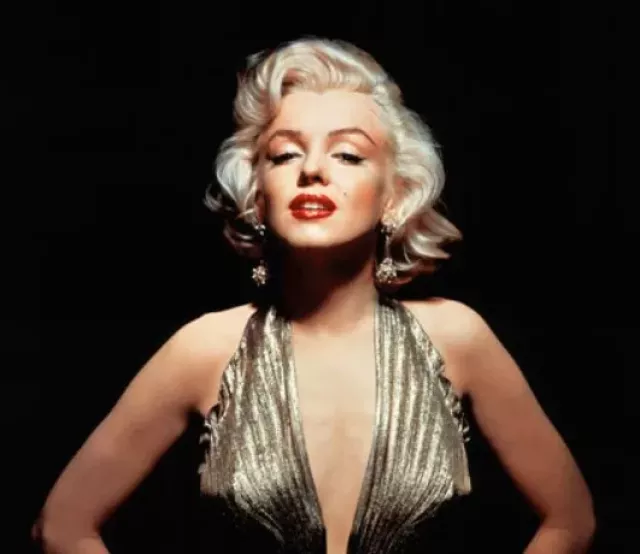
The revelation that has generated the most immediate attention from the newly published interview is Monroe’s direct rejection of the erotic label attached to her entire career. She stated plainly that she had never performed an erotic scene — a claim that, coming from the woman whose image defined mid-century male fantasy, demands serious engagement rather than dismissal.
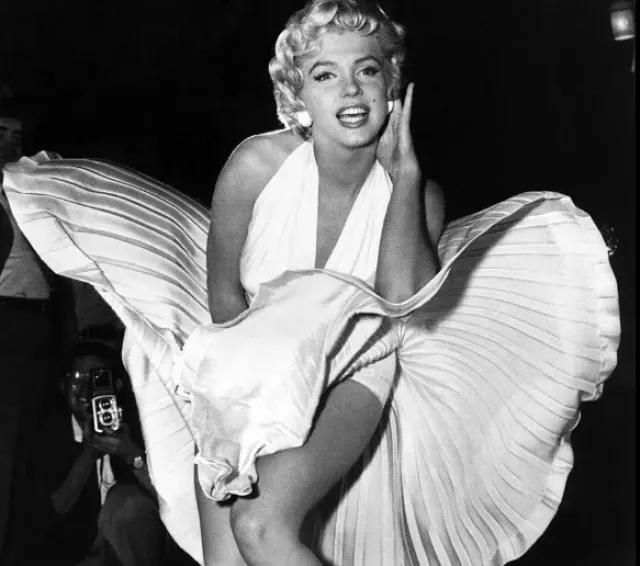
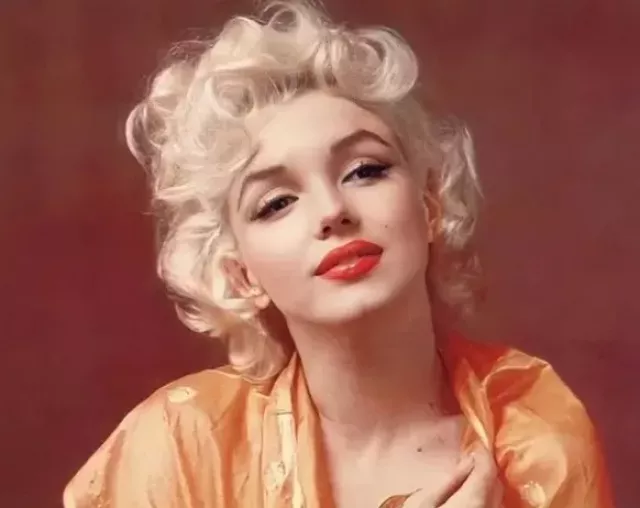
Her position was not prudish. It was philosophical. Monroe articulated a genuine belief that sexuality is natural, valuable, and connected to artistic creation — and that the problem lay not in sexuality itself but in how Hollywood weaponised and commodified it by forcing it onto performers as performance rather than allowing it to emerge as authentic expression. She described real art as emerging from natural sexuality, while simultaneously insisting that her own screen presence was never calculated from a sexual standpoint.
That distinction — between being sexual and performing sexuality on command — is one that feminist film scholars have spent decades articulating. Monroe expressed it instinctively and precisely in a conversation recorded in 1962.
The Childhood That Made Her — and Nearly Broke Her
Understanding Monroe’s self-perception requires understanding where she came from. Born Norma Jeane Mortenson, she entered life without stability of any kind. Her mother, who worked as a film negative cutter, was diagnosed with paranoid schizophrenia and committed to a psychiatric hospital — leaving her daughter to navigate a succession of foster homes through childhood and early adolescence.
Monroe also overcame a stutter and dyslexia — conditions that, in mid-century America, carried significant social stigma and received minimal professional support. That she emerged from that foundation to build one of Hollywood’s most recognisable careers — and to do so with sufficient strategic intelligence to become the first female star to establish her own film production company, Marilyn Monroe Productions — represents an act of sustained self-creation that the dumb blonde persona she cultivated was specifically designed to obscure.
In the Meryman interview, Monroe recalled wanting to be an actress at age five. Some foster parents sent her to cinemas simply to remove her from the house — a detail that is simultaneously heartbreaking and historically significant. Those early, solitary hours watching films formed the foundation of a career that would eventually make her one of the most recognisable faces in human history.
The Korea Moment — When Fame Became Real
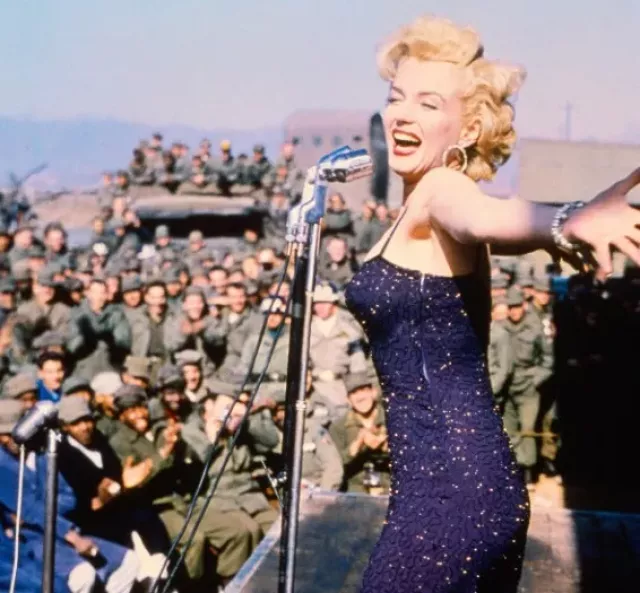
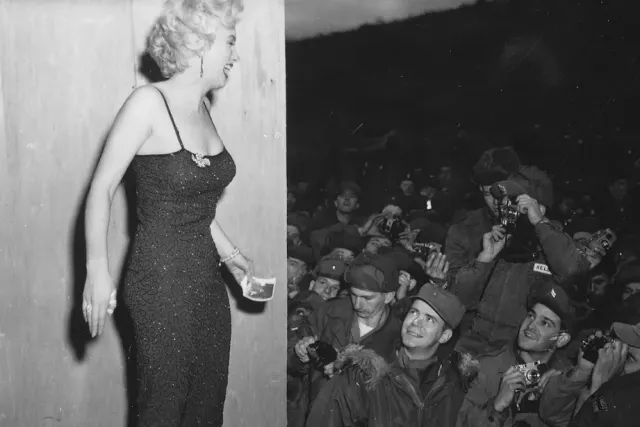
Monroe’s account of visiting Korea in 1954 to perform for US military personnel stands as one of the interview’s most vivid passages. She described emerging before 75,000 soldiers seated in snow, all of them whistling and calling her name for ten continuous minutes. It was, by her own account, the moment she genuinely understood the scale of what she had become.
The contrast she drew between that overwhelming collective response and her discomfort with Hollywood social life is psychologically revealing. She distinguished between the public — which frightened her — and people, whom she genuinely liked. That separation explains much about Monroe’s documented social anxiety alongside her undeniable magnetism: she could command the attention of 75,000 strangers and feel genuinely uncomfortable at a dinner table where she sensed she had been invited for decorative rather than human reasons.
Her description of being summoned to social events to “brighten up a dinner table” — present as a prop rather than a person — captures the specific dehumanisation that accompanied her celebrity with a precision that no biographer has since improved upon.
The Private Life She Wanted and Never Fully Had
Perhaps the most poignant element of the Meryman interview is Monroe’s unambiguous statement about what she actually wanted from life — not film sets or magazine covers, but a stable marriage and children. She had married factory worker James Dougherty at sixteen, becoming a stepmother and domestic caretaker before she was legally an adult. Her bond with her stepchildren, she said, produced some of her closest friendships.
The story she shared about her stepson Bobby — hiding a magazine article about her, and her response that he should come directly to her with any questions rather than learning about her secondhand — reveals a woman acutely aware of the gap between her public image and her private self, and actively trying to bridge that gap for the people she loved.
How She Died — and Why the Mystery Persists
Marilyn Monroe died on August 4, 1962, at her Los Angeles home. Her housekeeper Eunice Murray discovered her unresponsive the following morning, the bedroom door locked from inside. Her psychiatrist Ralph Greenson broke in through a window and found her face-down on the bed. Her physician Hyman Engelberg pronounced her dead at 36.
Toxicology confirmed acute barbiturate and chloral hydrate poisoning. The official ruling was probable suicide. Sixty-four years later, that ruling remains contested — the circumstances of that final night, the timeline of who was contacted and when, and the question of whether Monroe had the physical capacity to self-administer a fatal dose have generated sustained investigative interest that shows no sign of resolution.
FAQ
What is the new Marilyn Monroe book? Marilyn: The Lost Photographs, The Last Interview — containing her final interview with Life magazine editor Richard Meryman, published for the first time in full.
Did Marilyn Monroe consider herself a sex symbol? She explicitly rejected the label, stating she had never performed an erotic scene and that Hollywood’s sexualisation of her was imposed rather than authentic.
How did Marilyn Monroe die? Officially from acute barbiturate and chloral hydrate poisoning on August 4, 1962. The circumstances remain disputed.
What was Marilyn Monroe Productions? The film production company Monroe founded — the first established by a female Hollywood star — giving her creative and financial control over her own projects.
Catch all the Entertainment News, Breaking News Event and Trending News Updates on GTV News
Join Our Whatsapp Channel GTV Whatsapp Official Channel to get the Daily News Update & Follow us on Google News.
Must Read