
China Has Doubled Its Missile Industry While America Burns Through Munitions in the Middle East

China Has Doubled Its Missile Industry While America Burns Through Munitions in the Middle East
Beijing studied the Iran war like a classroom. The lesson it drew: the side that runs out of missiles first loses. China has no intention of being that side.
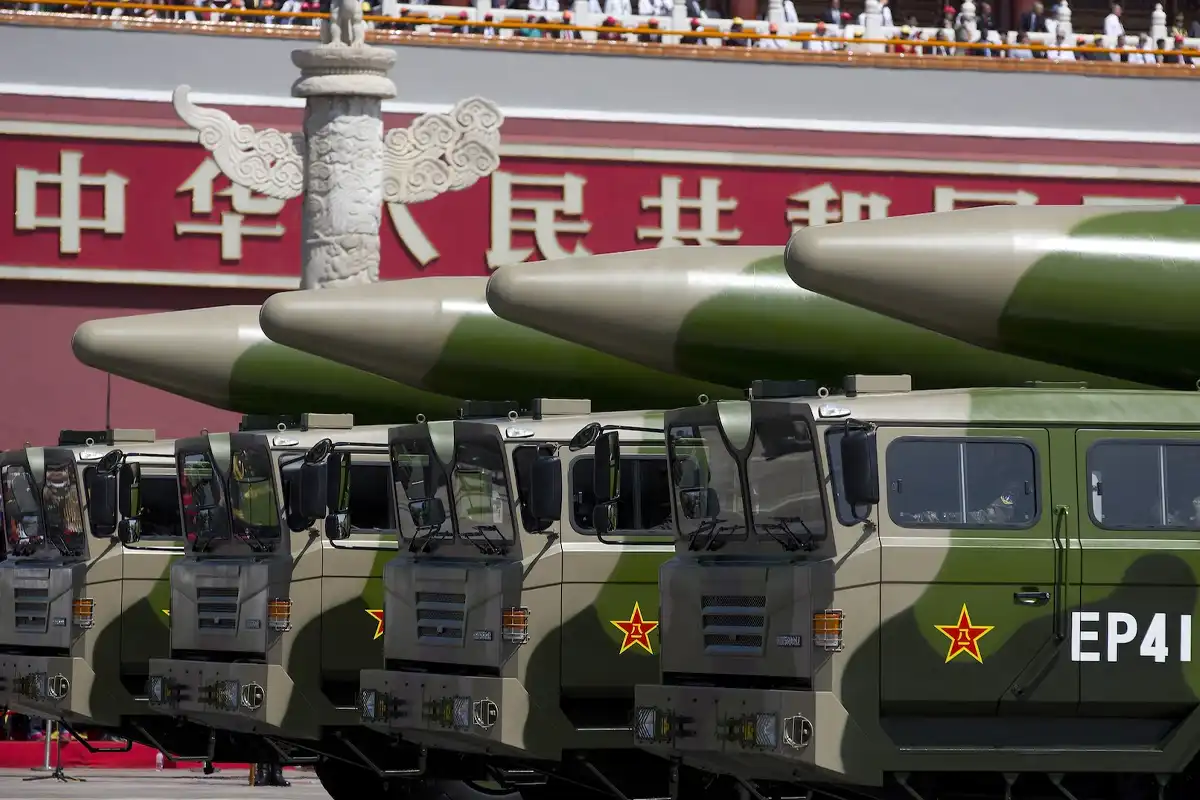
While the United States has depleted its precision munitions stockpiles to levels that alarmed a sitting senator, China has been doing the opposite. A new report reveals Beijing has doubled the number of companies involved in missile production since 2013 — from 32 firms to 81 — while its ballistic missile inventory has grown by 137 percent since 2015, now exceeding 3,150 missiles. China also maintains over 300 ground-launched cruise missiles.
This is not coincidence. It is a strategic response to exactly what China has been watching unfold in the Gulf.
The Industrial Expansion Behind the Numbers
The growth from 32 to 81 missile manufacturers represents more than numerical expansion. It represents the deliberate creation of a redundant, distributed production base designed to survive sanctions, supply chain disruption, and wartime attrition simultaneously.
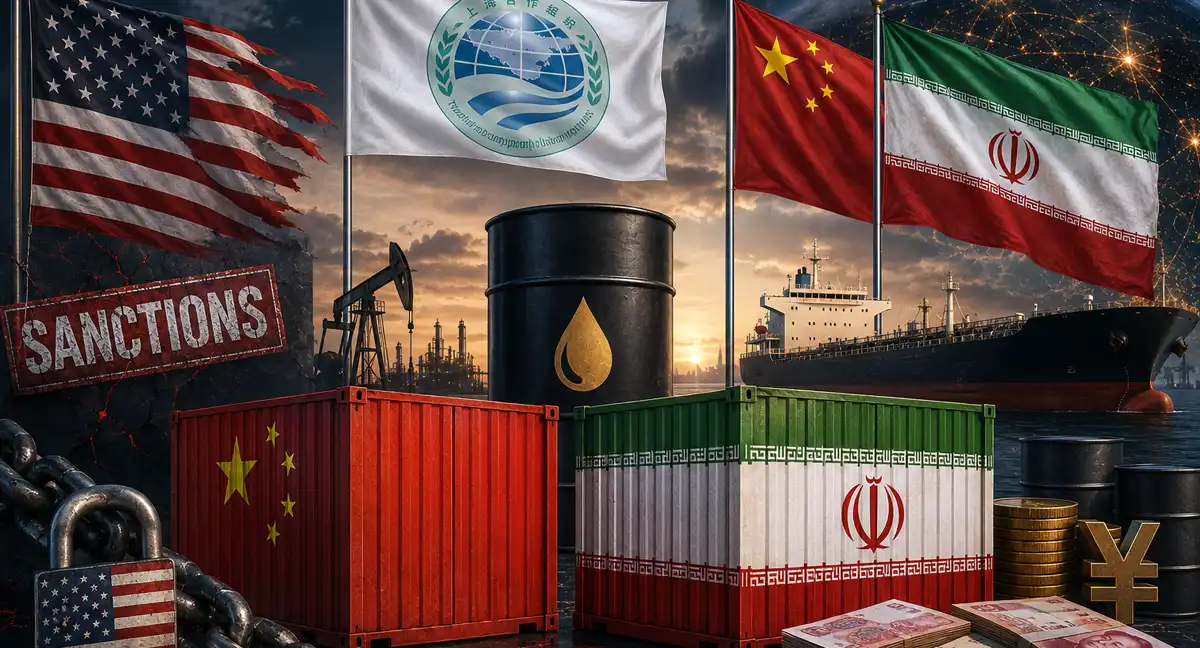
China has integrated civilian technology companies — firms working in artificial intelligence, microelectronics, and stealth materials — directly into its defense industrial network. This civil-military fusion strategy means that even if Western sanctions target identified defense contractors, production capacity migrates to civilian-registered entities that are harder to sanction and harder to track.
The systems coming off these production lines include the YJ-21 hypersonic anti-ship missile and the DF-26 intermediate-range ballistic missile — nicknamed the “Guam Killer” by US military planners for its ability to strike American bases in the Western Pacific. Both are being manufactured at scale.
The Lesson China Drew From Iran
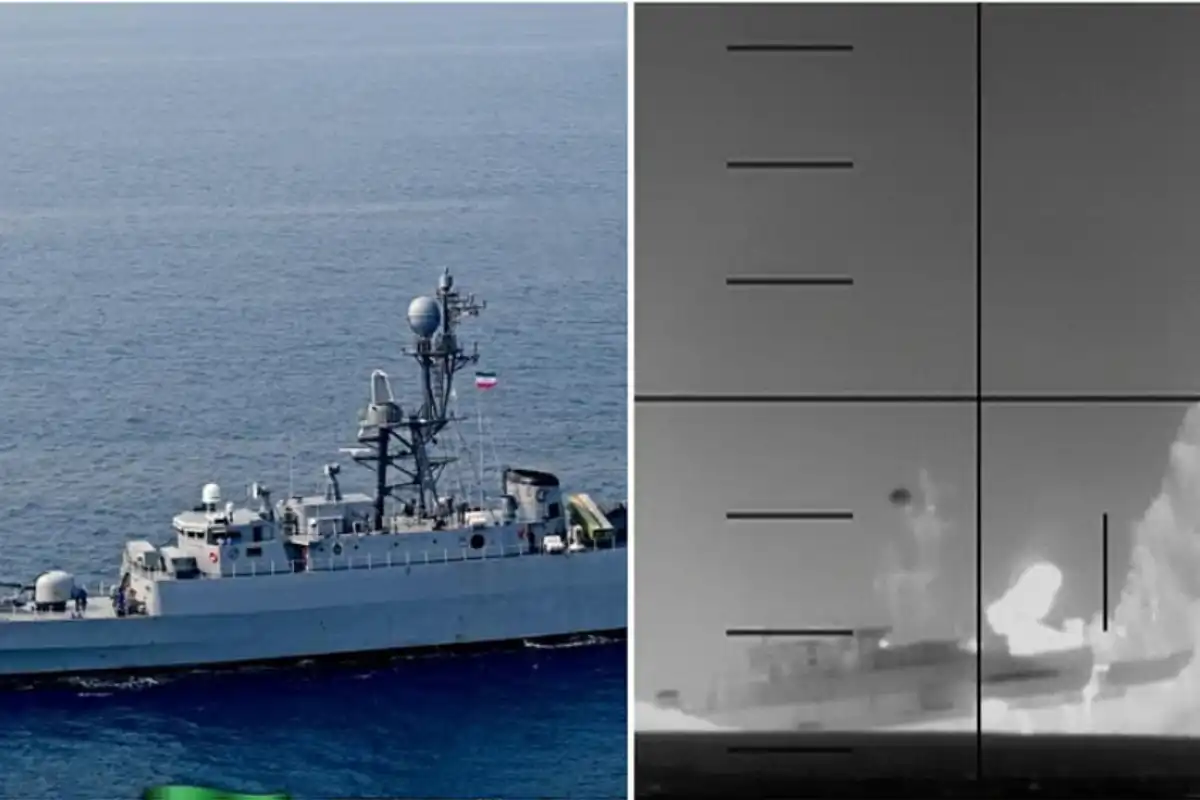
Military analysts tracking Chinese procurement describe a specific strategic insight Beijing extracted from observing Iran’s performance: magazine depth determines outcomes in sustained modern conflict. Iran’s ability to conduct 100 documented waves of missile and drone strikes against American and Israeli targets — while retaining 70 percent of its pre-war stockpile according to US intelligence — demonstrated that a nation with sufficient production capacity and dispersed launch infrastructure can absorb a superpower assault and continue fighting.
China has noted this. Its response is to ensure that in any future conflict, it begins with stockpiles deep enough that consumption rates cannot exhaust them before the adversary’s political will breaks.
The Asymmetry That Should Concern Washington
America’s Iran war has consumed Tomahawks, ATACMS, SM-3 interceptors, THAAD rounds, and Patriot missiles at rates that Senator Kelly called “shocking.” Replenishment timelines for some systems run to years. The US defense industrial base, rationalized for peacetime efficiency after the Cold War, cannot currently surge production fast enough to restore depleted stocks before the next contingency arrives.
China’s industrial base has been deliberately structured for exactly the opposite condition — surge capacity, redundancy, and sustained high-volume output.
When the Iran war’s munitions ledger is finally tallied, its most significant strategic consequence may not be what it cost America in the Middle East. It may be what it cost America relative to China in the Pacific.
Beijing was watching. Beijing was learning. Beijing was building.
Disclaimer; Based on open-source defense industry analysis and publicly available Chinese military procurement data.
Catch all the Blogs News, Breaking News Event and Trending News Updates on GTV News
Join Our Whatsapp Channel GTV Whatsapp Official Channel to get the Daily News Update & Follow us on Google News.
Must Read