Centcom Lied About Minab; Iran Exposed Every Word of It

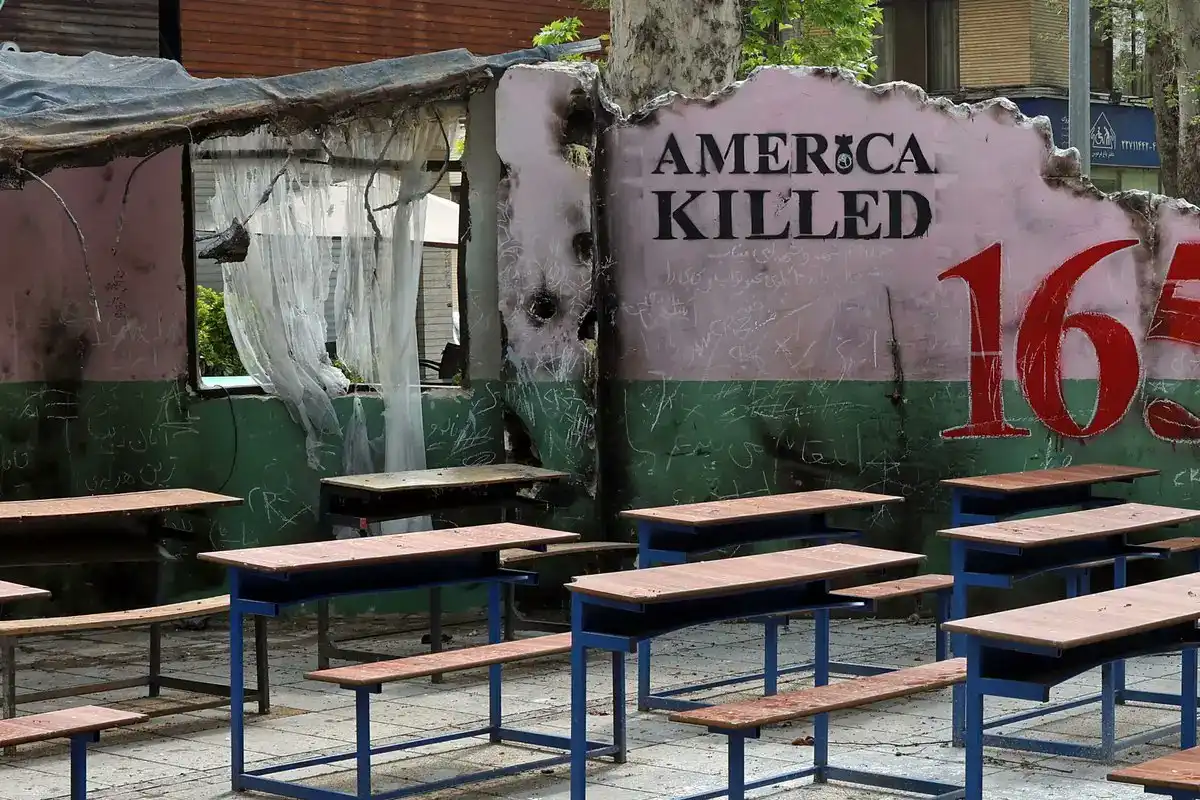
CENTCOM’s justification for striking a functioning girls’ school during school hours has collapsed under independent investigation. The targeting failure that caused it is a systemic problem, not a technical glitch.
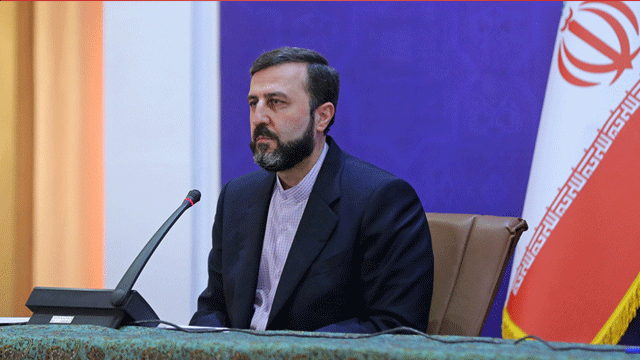
Iran’s Foreign Ministry Spokesman Ismail Baghaei has categorically rejected the US Central Command’s claim that the Shajara Tayeba girls’ primary school in Minab was located within the perimeter of a missile installation — calling the justification a “grotesque lie” designed to obscure a war crime that killed more than 170 female students and teachers.
The American claim, offered as operational justification for the strike, is now contradicted by an independent journalistic investigation that found the attack resulted not from AI malfunction or technical error but from a straightforward human intelligence failure — one that ignored publicly available information confirming an active school operated within the facility complex being targeted.
What CENTCOM Claimed and Why Iran Rejected It
CENTCOM’s position was that the school’s proximity to a missile installation made it a legitimate strike consideration. Baghaei dismissed this framing on multiple grounds.
First, a functioning primary school during school hours enjoys absolute protected status under international humanitarian law regardless of what surrounds it. The Fourth Geneva Convention and Additional Protocol I are unambiguous: civilian educational institutions cannot be targeted, and proximity to military objectives does not strip them of protection when civilians are actively present.
Second, the claim that the school fell “within the perimeter” of a missile site is, according to Iran, factually false — the school was a standalone civilian educational institution that Iranian officials say had no physical integration with any military infrastructure.
Baghaei called on the international community to pursue criminal accountability against the American military commanders who authorized and executed the strike — a formal demand for ICC referral that adds legal weight to Iran’s diplomatic position.
What the Independent Investigation Found
The investigative findings are more damaging to the American position than Iran’s official rejection alone. According to investigators familiar with the air campaign’s targeting architecture, the Minab strike was not caused by AI system error — it was caused by human analysts failing to update a pre-conflict targeting database with information that was publicly available.
The US military’s targeting system relies on a database built by thousands of analysts using satellite imagery and intelligence gathered before the conflict began. In this case, analysts failed to detect that the IRGC compound being targeted had an active school operating within its boundaries — despite the fact that this information was available in open sources.
The target was never reclassified as civilian. It remained on the strike list. The school was hit during school hours.
Former senior American military officials have acknowledged this category of failure as a known limitation of large-scale targeting operations: humans cannot cross-reference the volume of data required to catch every change on the ground, and the pre-conflict database inevitably contains outdated information by the time strikes are executed.
The Legal Accountability Question
The distinction between AI failure and human failure matters enormously for legal accountability. AI system malfunction suggests an institutional design problem. Human analyst failure — particularly one that ignored publicly available civilian presence information — suggests individual and command-level negligence that international humanitarian law treats as criminal when it results in mass civilian casualties.
170 students and teachers died. The targeting chain that produced that outcome involved human decisions at multiple points — intelligence analysis, target approval, strike authorization. Each decision point represents a potential locus of criminal accountability under the laws of armed conflict.
Iran’s demand for ICC prosecution is not merely rhetorical. It is a legally grounded demand based on documented civilian casualties resulting from a targeting process that failed to apply basic due diligence.
CENTCOM offered a justification. Independent investigation found it inadequate. Iran has named it a war crime. The 170 dead remain dead regardless of which characterization prevails in diplomatic language.
What Minab reveals about American targeting methodology — specifically the gap between pre-conflict database construction and real-time ground reality — is a systemic problem that this strike has exposed but that existed in every previous American air campaign. The difference is that this time, an independent investigation documented it while the conflict is still politically active.
Accountability rarely follows acknowledgment in wartime. But the record has been made.
Disclaimer; Based on Iranian Foreign Ministry official statements and independent investigative journalism findings.
Catch all the World News, Breaking News Event and Trending News Updates on GTV News
Join Our Whatsapp Channel GTV Whatsapp Official Channel to get the Daily News Update & Follow us on Google News.
Must Read