
Trump Says No Rush on Iran Deal, US Naval Blockade Stays Until Agreement Signed

Trump Says No Rush on Iran Deal, US Naval Blockade Stays Until Agreement Signed
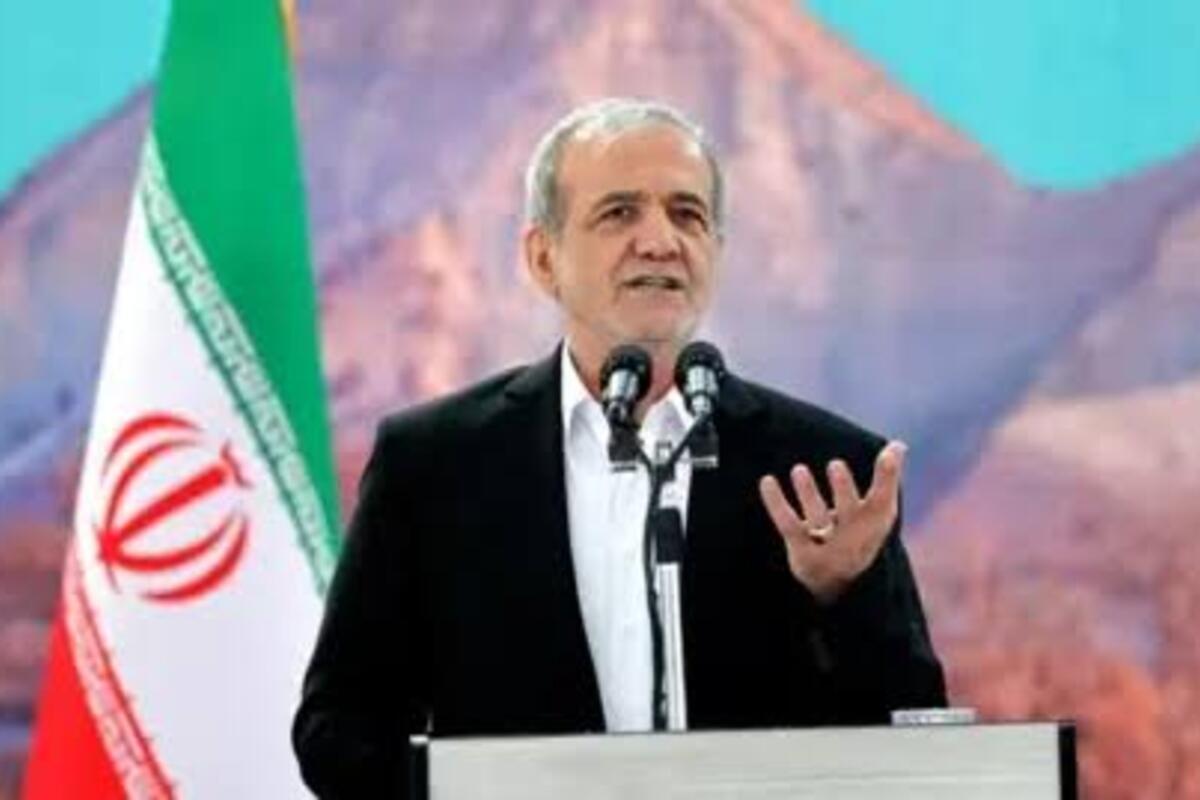
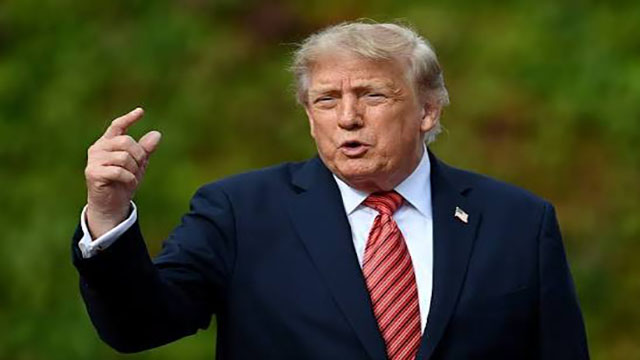
US President Donald Trump declared on Sunday that he had instructed his representatives not to rush into any agreement with Iran, cooling expectations of an imminent breakthrough that had been raised just one day earlier when he suggested a memorandum of understanding was largely in place.
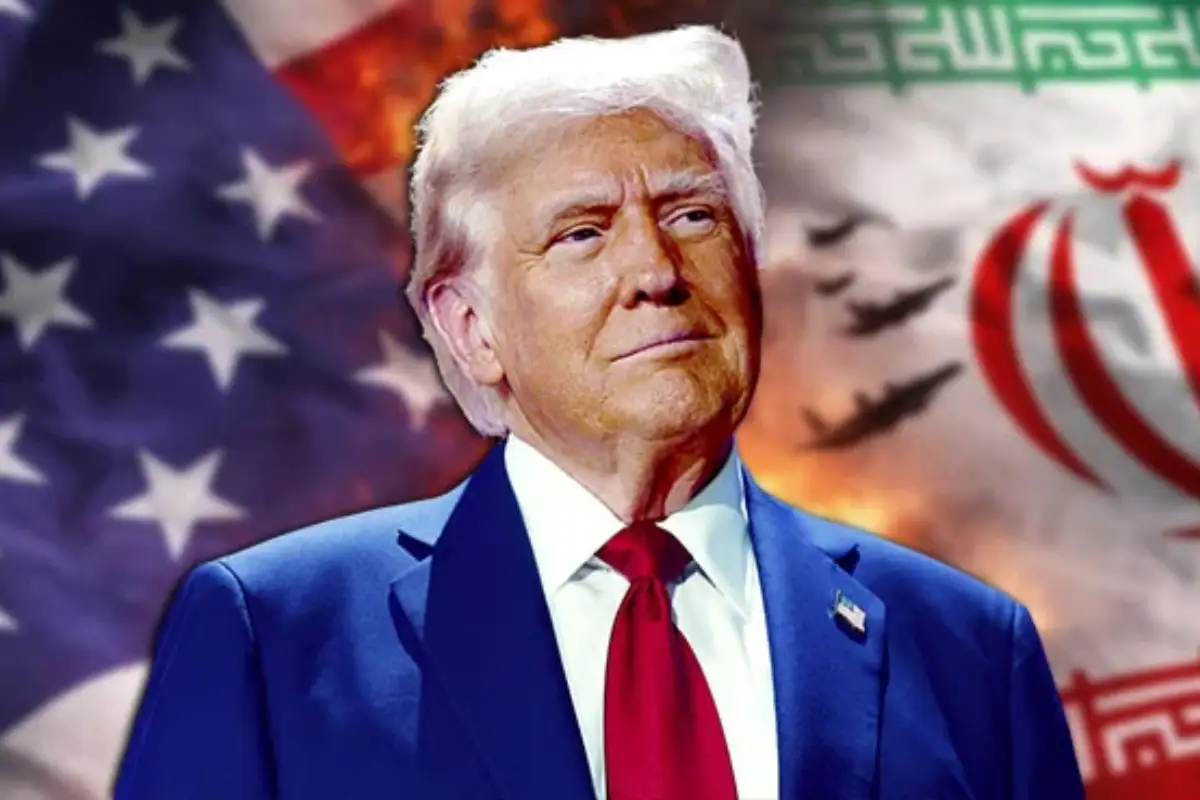
Writing on Truth Social, Trump confirmed that the US naval blockade on Iranian ships in the Strait of Hormuz would remain fully in force until any agreement is formally reached, certified, and signed. He urged both sides to take their time and get the deal right.
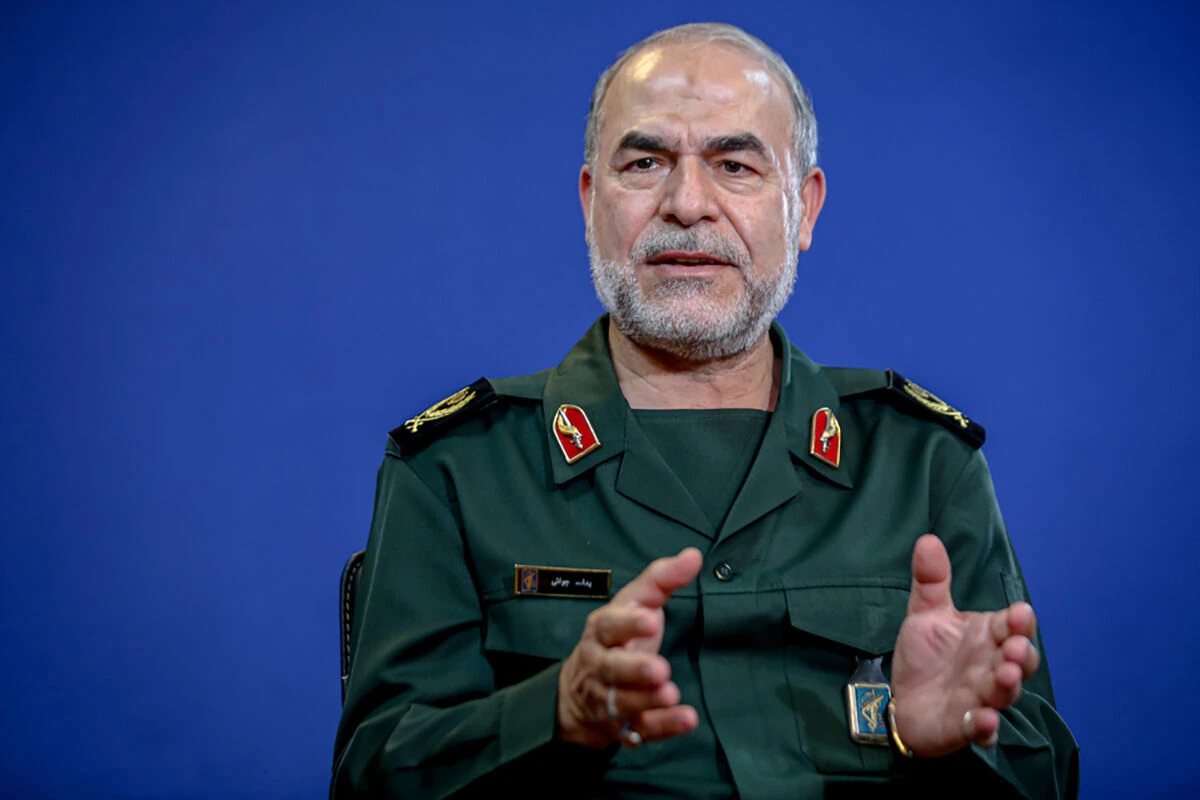
Iran’s government did not respond immediately, but Tasnim News Agency, which is affiliated with Iran’s Revolutionary Guards, reported that Washington continues to obstruct key elements of a potential agreement, most notably Tehran’s demand for the immediate release of its frozen financial assets.
A senior Trump administration official, speaking anonymously, told reporters that a deal would not be signed on Sunday, attributing the delay to the pace at which the Iranian system operates. The official nonetheless outlined the current framework being negotiated, stating that Iran had agreed in principle to reopen the Strait of Hormuz in exchange for the US lifting its naval blockade, and to address the disposal of Tehran’s highly enriched uranium stockpile. The official also indicated that Washington understood Iran’s Supreme Leader Ayatollah Mojtaba Khamenei had endorsed the broad template of the proposed agreement, though neither Iran nor any official source immediately confirmed this.
According to the official, the envisioned sequence would begin with reopening the strait and lifting the blockade, with the more complex details of nuclear measures to be negotiated over a longer timeframe. Iranian sources separately told Reuters that feasible formulas could potentially be found in future stages to resolve the dispute over Iran’s enriched uranium stockpile, potentially including dilution of the material under supervision of the UN nuclear watchdog. Iran has consistently denied US and Israeli allegations that it is pursuing nuclear weapons, asserting its right to enrich uranium for civilian energy purposes, although its enrichment levels far exceed what is required for power generation.
The possible agreement has drawn sharp criticism from across the US political spectrum. Former Secretary of State Mike Pompeo and several Democratic lawmakers argued that the reported outlines offer little beyond what was achieved in the 2015 nuclear agreement negotiated under President Barack Obama — the same deal Trump himself abandoned during his first term. Democratic Senator Chris Van Hollen, a member of the Senate Foreign Relations Committee, described the emerging deal as amounting to little more than a return to the pre-war status quo with Iran, calling the entire military campaign a blunder.
Trump pushed back firmly against his critics, insisting that any deal he reaches with Iran will be strong and appropriate, and dismissing critics as people who know nothing about the subject.
Meanwhile, oil markets responded to the weekend developments with Brent crude futures falling more than four percent to below $100 per barrel for the first time since early May, while US West Texas Intermediate also declined sharply. Trump, whose approval ratings have been affected by the war’s impact on domestic energy prices and who has faced congressional efforts to limit his war powers, has repeatedly emphasized the prospect of an agreement to end a conflict that the US and Israel initiated on February 28. A fragile ceasefire has been in place since early April.
Catch all the World News, Breaking News Event and Trending News Updates on GTV News
Join Our Whatsapp Channel GTV Whatsapp Official Channel to get the Daily News Update & Follow us on Google News.
Must Read