Iran Offers a Dignified Exit From War — Now the World Waits for Washington’s Answer

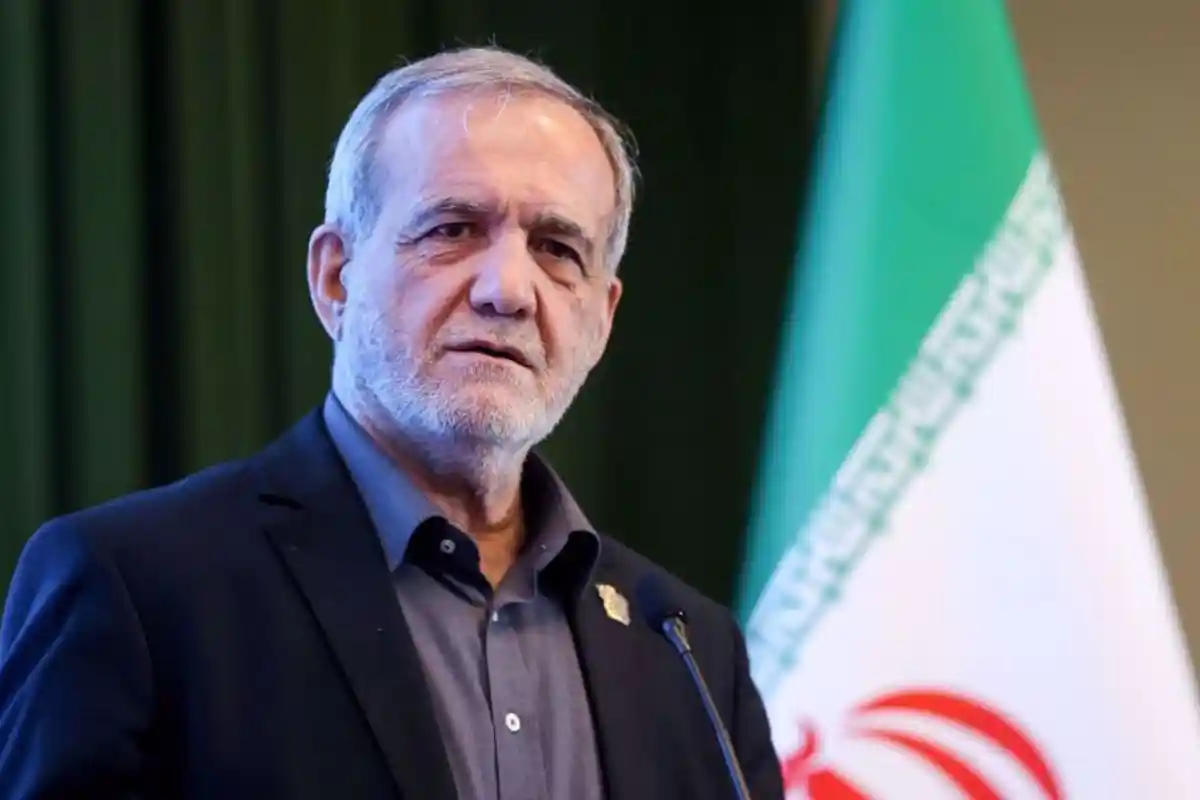
Iran will respond decisively to any ceasefire violation: Masoud Pezeshkian
Iranian President Masoud Pezeshkian has delivered the clearest diplomatic signal Tehran has sent since the conflict began. In a telephone conversation with Qatari Emir Sheikh Tamim bin Hamad Al Thani, Pezeshkian stated directly that Iran is ready to reach a dignified framework to end the war — and that the time has come for the other side to demonstrate equal readiness.
Qatar, for its part, immediately reaffirmed its commitment to continuing constructive mediation efforts on Iran’s behalf.
The diplomatic door is open. The question is whether Washington has the strategic vision to walk through it.
Iran Has Earned the Right to Say “Your Turn”
President Pezeshkian’s message carried a pointed but measured challenge. Iran has proven its sincerity and commitment on the path of negotiations. That statement is not empty rhetoric — it is a reference to a documented record.
Tehran participated in the Oman talks. It engaged with the Islamabad ceasefire framework that Pakistan brokered and China endorsed. It maintained communication channels through Qatari intermediaries even while absorbing military strikes. It signaled flexibility on nuclear parameters in back-channel exchanges that Western diplomats have privately acknowledged.
Iran has shown up at every table that was offered. It has not walked away from any serious negotiating process. The burden of proof for genuine peace intent has shifted — and Pezeshkian is making sure the world understands that shift.
The Dignity Condition Is Non-Negotiable
The word “dignified” in Pezeshkian’s statement is doing significant strategic work. Iran is not asking for victory. It is not demanding humiliation of its adversaries. It is insisting that any framework treat the Islamic Republic as a sovereign nation with legitimate security interests — not as a defeated party compelled to accept terms under duress.
This distinction matters enormously. Agreements imposed through maximum pressure without genuine respect for Iranian sovereignty have historically collapsed — as the fate of the 2015 JCPOA under American unilateral withdrawal demonstrated. A framework that Iran accepts as dignified has durability. A framework imposed through coercion does not.
Washington’s history of walking away from agreements it negotiated makes Tehran’s insistence on dignity not stubbornness but hard-won institutional memory.
Iran’s Hand Extended to the Islamic World
Alongside his message about war termination, President Pezeshkian extended a fraternal hand toward Islamic nations — a deliberate outreach that frames Iran not as an isolated revolutionary state but as a member of a broader community of nations with shared interests in regional stability.
This framing serves multiple purposes simultaneously. It strengthens Iran’s diplomatic positioning within the OIC and Arab League contexts. It reminds Gulf states currently mediating the conflict that Tehran views them as partners rather than adversaries. And it signals that a post-conflict Iran is willing to rebuild regional relationships on cooperative rather than confrontational terms.
The message to Saudi Arabia, the UAE, and other Gulf states is implicit but clear: Iran is not your enemy. Help us end this.
Qatar’s Indispensable Role
Emir Sheikh Tamim’s reaffirmation of Qatar’s continued mediation role is not incidental. Doha has functioned as the most reliable communication channel between Tehran and Washington throughout this conflict — a role built over years of careful relationship management that Qatar has protected even under significant pressure from regional neighbors.
Qatar’s willingness to continue this role signals that the mediation infrastructure for a peace agreement remains intact. The architecture for a deal exists. The political will to use it is the missing variable.
What a Dignified Framework Could Look Like
Analysts familiar with the negotiations suggest that a viable framework would need to address several interlocking issues simultaneously: Iranian nuclear enrichment parameters with genuine verification mechanisms; sanctions relief that allows Iran’s economy to function without constant external pressure; security guarantees that prevent future unilateral American withdrawal from agreed terms; and a regional security architecture that gives Iran a recognized role without requiring its neighbors to accept Iranian dominance.
None of these elements is individually impossible. The difficulty lies in assembling them into a package that domestic political constituencies in both Tehran and Washington can accept — a challenge made significantly harder by the military escalation that preceded this diplomatic moment.
The Clock Is Running
Pezeshkian’s message carries an implicit urgency that should not be missed. Diplomatic windows created by ceasefire frameworks and active mediation do not remain open indefinitely. Military facts on the ground shift. Domestic political pressures build. Hardliners on both sides gain strength from continued conflict.
Iran has stated its readiness clearly and publicly. Qatar has committed to sustaining the mediation effort. The regional and international community — from China and Pakistan to Gulf states and European powers — has expressed consistent support for a negotiated resolution.
The question that Pezeshkian’s statement puts squarely to Washington is simple: Is the United States ready for a peace that Iran can accept with dignity? Or is it still searching for a surrender that Iran will never offer?
History will record who answered that question, and how.
Catch all the World News, Breaking News Event and Trending News Updates on GTV News
Join Our Whatsapp Channel GTV Whatsapp Official Channel to get the Daily News Update & Follow us on Google News.
Must Read