

House Of The Dragon Season 3 Episode 1 Review; Why Prestige TV’s Rush to Endings Sacrifices Character for Spectacle

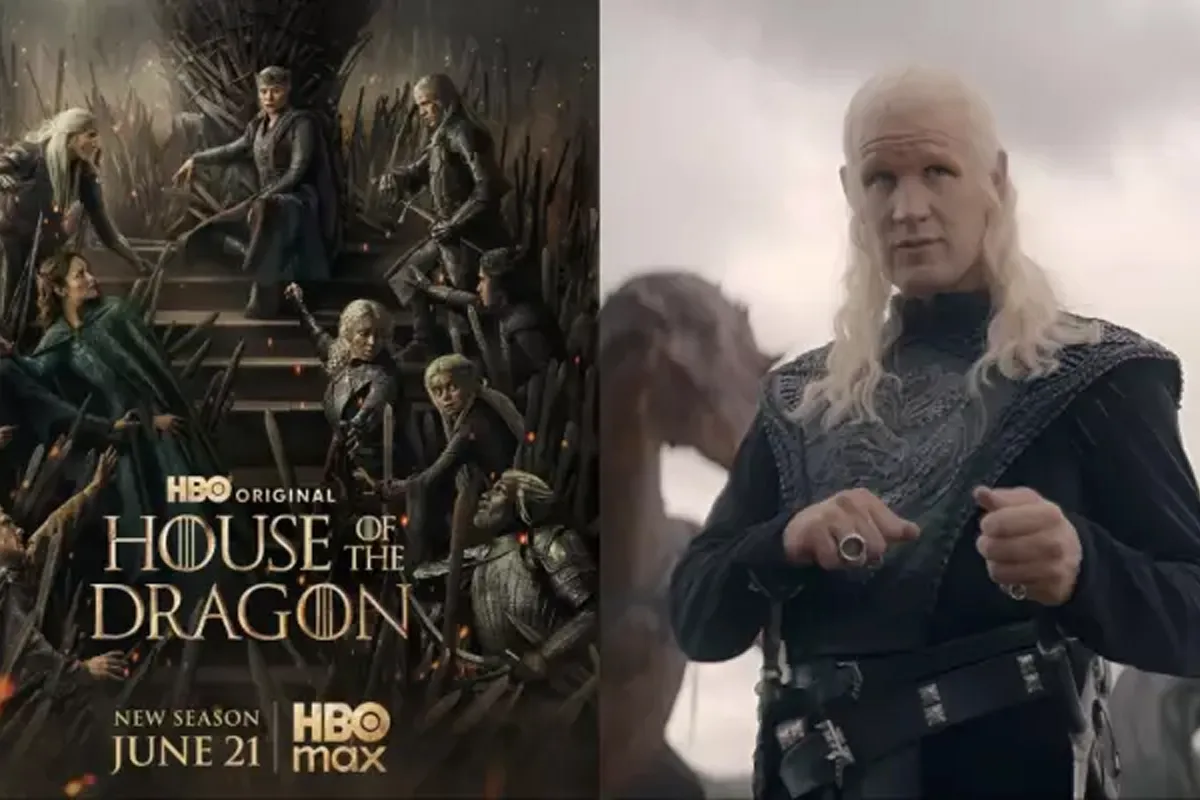
House of the Dragon’s third season premiere represents a crucial inflection point for prestige television: the moment when production scale overwhelms narrative coherence. HBO’s decision to end the series after Season 4 and compress the finale into eight weekly episodes signals that momentum matters more than the character arcs audiences invested in across two seasons.
The Battle of the Gullet opening sequence accomplishes its intended effect—viewers immediately understand stakes have escalated beyond political scheming into open warfare. The VFX work deserves recognition for avoiding the ostentatious CGI spectacle that derailed later Game of Thrones seasons. Yet this technical achievement masks a more troubling creative choice: the show prioritized demonstrating what it could render over developing the characters meant to drive the narrative.
Rhaenyra’s reactive characterization exposes the core problem. Emma D’Arcy delivers technically proficient performance for a character whose agency has been progressively hollowed out. When a protagonist’s decisions feel emotionally driven rather than strategically considered, audiences lose investment in outcomes. They stop asking “what will she do?” and start watching to see what happens to her—a fundamental shift from active to passive spectatorship. The show transformed its central figure into a passenger in her own story.
Daemon and Alicent suffer identical aimlessness, suggesting systematic character writing failures rather than isolated performance issues. These are characters who should embody opposing ideological poles driving the conflict. Instead, they drift through episodes responding to circumstances rather than creating them. The show’s accelerated timeline—eight episodes to conclude multiple character arcs and conclude major plot threads—didn’t permit the character development necessary to make their choices feel earned.
This represents a deliberate production trade-off. HBO prioritized visual spectacle and plot momentum over character interiority. The strategy acknowledges audience attention spans have contracted; weekly episode releases mean viewers must maintain engagement across eight weeks without the binge-viewing experience that permits deeper character absorption. Spectacle sustains week-to-week viewership better than nuanced character development.
The new character introductions—Ormund Hightower, Sharako Lohar, Roddy the Ruin—inject narrative momentum while highlighting the established cast’s creative exhaustion. New faces generate curiosity; familiar characters require consistent development audiences have stopped receiving. This dynamic suggests the show understands its original core cast no longer carries sufficient narrative weight.
The color grading criticism deserves consideration alongside visual praise. Aesthetic consistency matters in sustained storytelling. If production shifted visual language without justification, it signals either directorial inconsistency or post-production compromise—neither suggests creative confidence about final season direction.
What’s strategically significant is whether audiences will tolerate character abandonment in exchange for spectacle. Game of Thrones’ finale proved viewers will abandon shows where character development collapses beneath plot mechanics. House of the Dragon appears to be testing whether brand loyalty and production scale can overcome identical structural failures.
The show’s explosive return depends entirely on whether audiences prioritize what happens over why it matters. That’s a gamble prestige television keeps making, and increasingly losing. House of the Dragon’s third season will reveal whether prestige audiences have finally exhausted their tolerance for spectacle without substance.
Catch all the Trending News, Breaking News Event and Trending News Updates on GTV News
Join Our Whatsapp Channel GTV Whatsapp Official Channel to get the Daily News Update & Follow us on Google News.
Must Read