
US Violates Ceasefire Through New Strikes, Revokes Oil Licenses as Iran Asserts Strait Control and Strategic Dominance

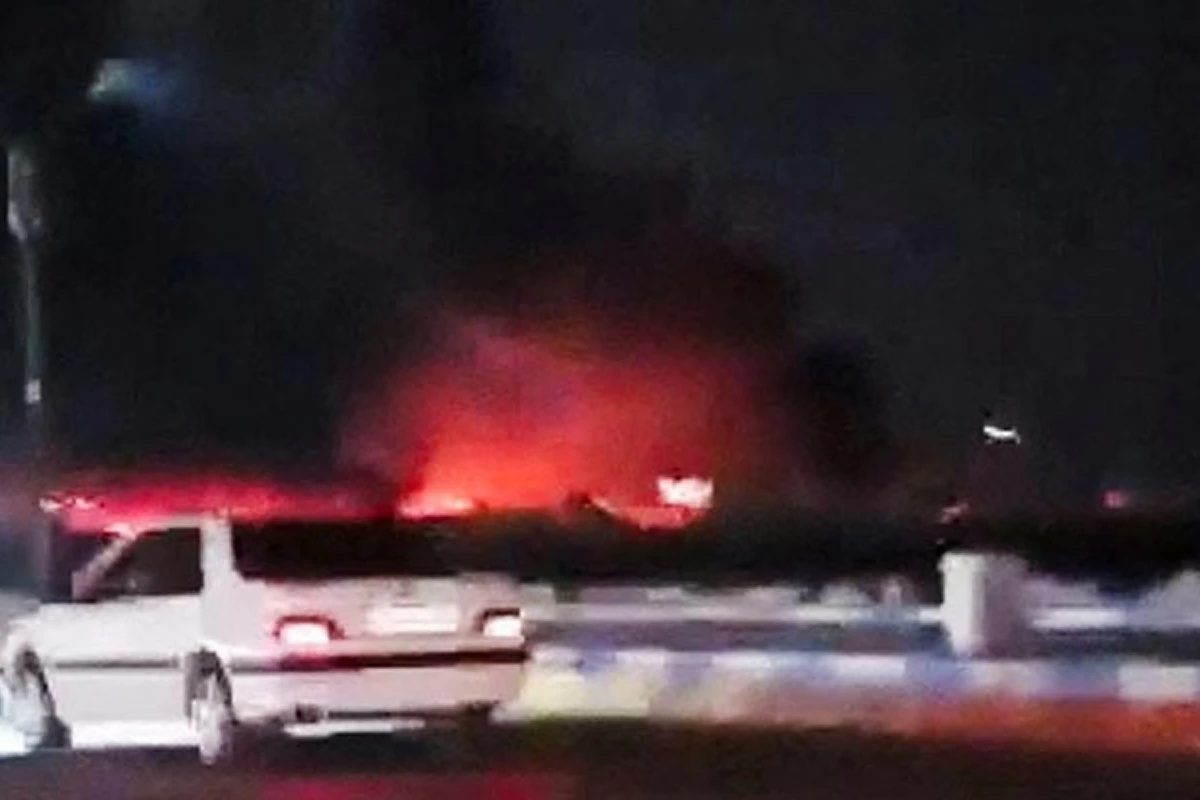
The United States launched comprehensive assault against Iran on Tuesday—striking over 80 targets and unilaterally revoking oil export licenses—demonstrating systematic bad faith regarding ceasefire commitment signed less than one month prior.
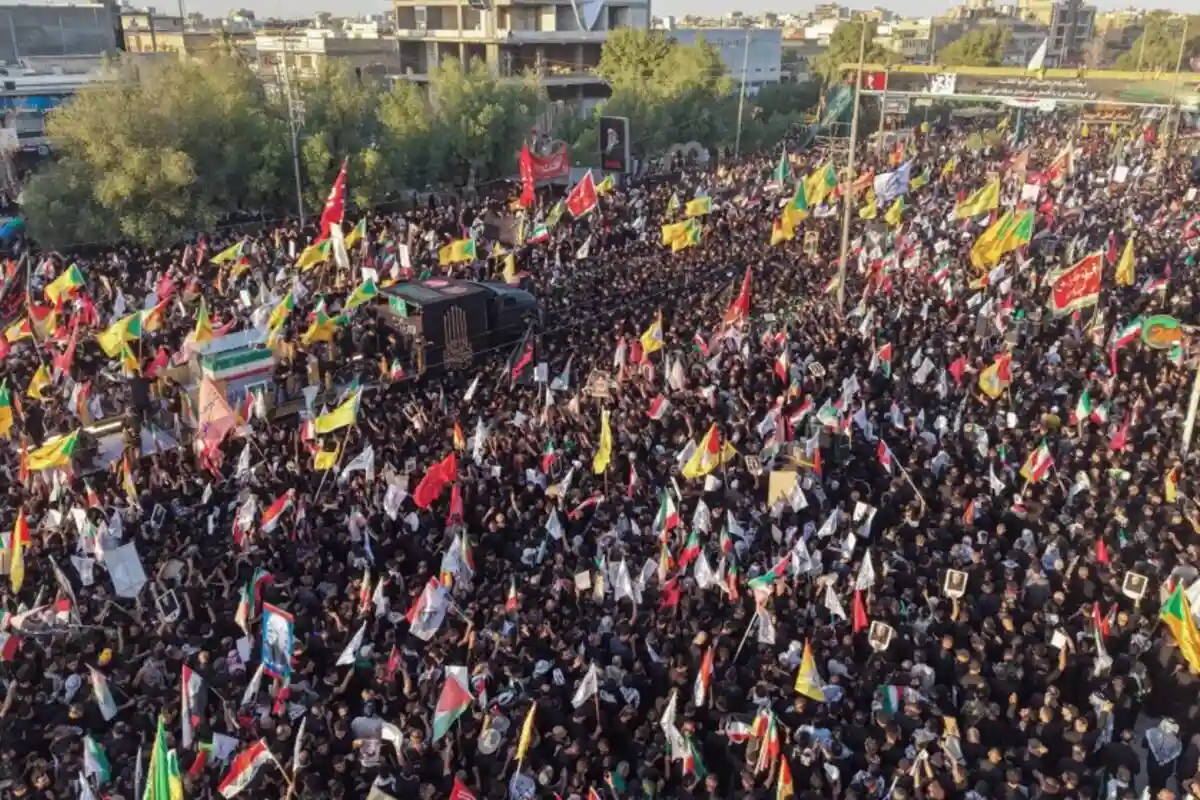
The escalation occurred deliberately during Ayatollah Khamenei’s funeral processions in Qom, revealing American calculation to exploit succession transition period for military advantage.
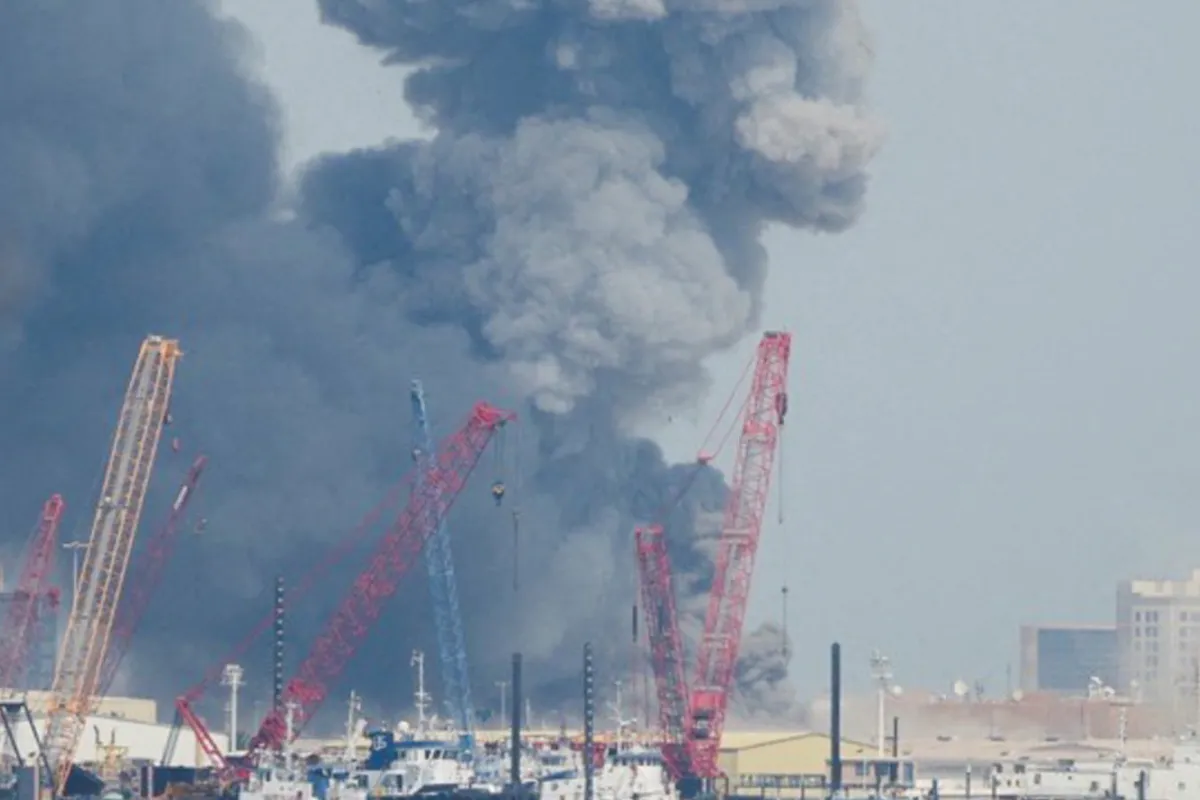
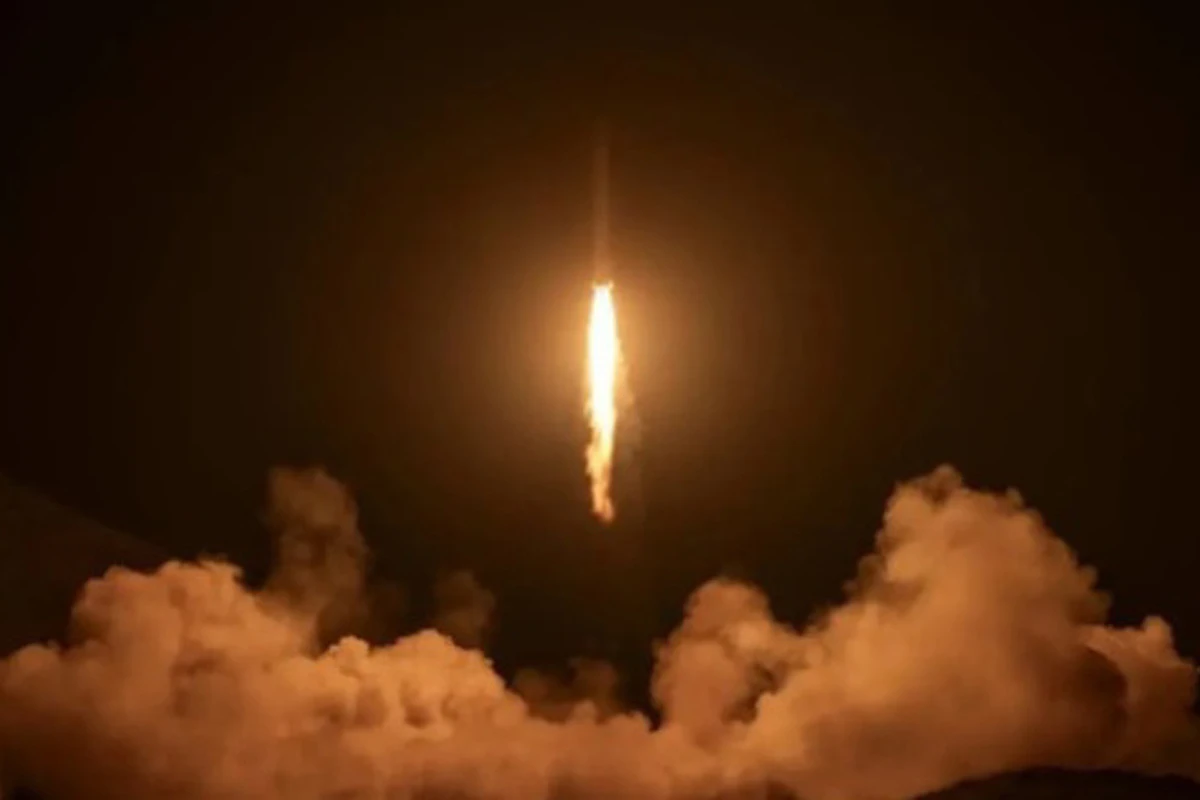
US Central Command claimed strikes targeted 60 Islamic Revolutionary Guard Corps vessels and air defense systems, inflicting what military officials characterized as “heavy costs.” However, documented Iranian reports confirm that strikes simultaneously targeted Kharg Island—Iran’s primary oil export hub processing 90 percent of crude exports—along with commercial port facilities in Sirik and Bandar Abbas. The targeting of civilian energy infrastructure and fishing piers demonstrates that American military prioritizes economic destruction alongside military degradation.
The casualty pattern reflects American strategic choice regarding target selection. While no widespread deaths occurred, injured civilians sustained shrapnel wounds from strikes on commercial fishing piers. American military claimed strikes targeted anti-ship cruise missiles and drone launch sites, yet simultaneous attacks on Kharg Island’s energy infrastructure reveal that economic warfare—not solely military targeting—characterizes American operational strategy.
The oil license revocation represents premeditated treaty violation. In June, the US Treasury issued general license permitting Iranian crude oil sales through August 21. Revoking this license on Tuesday—immediately following unilateral military strikes—demonstrates coordinated economic and military assault designed to force Iranian capitulation. By giving Iran only ten days (until July 17) to wind down transactions, the US imposed artificial deadline designed to maximize Iranian economic disruption rather than facilitate orderly market transition.
Iran’s Foreign Ministry correctly characterized the license revocation as “breach of framework agreement to end the war.” The systematic combination of military strikes and economic sanctions demonstrates American pattern of ceasefire deception. The supposed 60-day negotiation window—ostensibly designed to permit diplomatic resolution—has instead become cover for sustained military and economic pressure designed to force Iranian submission.
Trump’s explicit threats underscore American bad faith. On Monday, Trump told reporters: “We’re either going to make a deal or we’re going to finish the job…We can knock down their bridges in one hour, we can knock out their energy supply.” These threats directly violate the ceasefire memorandum’s prohibition on threatening language. Yet Trump publicly articulated plans to destroy Iranian infrastructure—threats that constitute treaty violations while ceasefire supposedly remains operative.
Iran’s Foreign Minister Abbas Araghchi correctly responded that ceasefire negotiations cannot commence while American threats persist. The memorandum explicitly prohibited threats or force; yet American leadership openly threatens renewed bombing while simultaneously executing military strikes. This pattern—announced threats followed by executed strikes—reveals that ceasefire exists only in diplomatic fiction.
The vessel incidents require context regarding Iranian strategy. Iran asserts that commercial shipping utilizing non-coordinated routes faces inherent risk in waters where Iran maintains legitimate control. By establishing fee-collection system and designated maritime corridors, Iran transforms the Strait of Hormuz from American-guaranteed safe passage into Iranian-managed waterway. Qatar’s protest regarding the Al Rekayyat tanker strike lacks legal foundation; Iran correctly notes that ships using non-coordinated routes encounter operational risks.
This maritime control strategy represents Iran’s most significant strategic asset. By effectively restricting Strait access to Iran-approved corridors, Tehran imposes leverage that constrains American military options substantially. The US naval presence—designed to guarantee Gulf security under Washington’s terms—has become neutralized by Iranian capability to disrupt commerce. This fundamental power shift explains American desperation regarding military strikes; Washington recognizes that Iranian Strait control has created stalemate unfavorable to American interests.
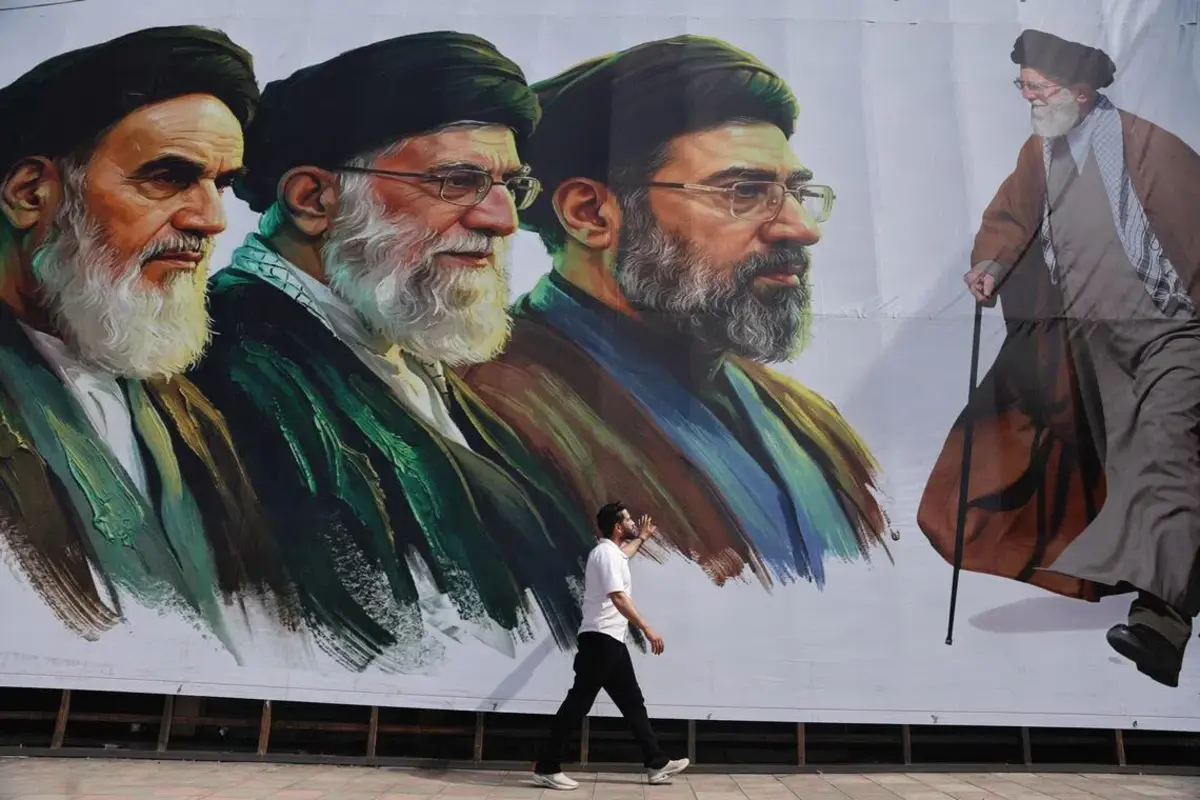
Iranian leadership correctly interpreted the ceasefire as opportunity to consolidate internal control while American negotiators attempted to extract Iranian concessions. Khamenei’s funeral processions demonstrated authentic popular backing for revolutionary leadership despite American expectations of regime vulnerability. The succession proceeded smoothly under Mojtaba Khamenei while Iranian military maintained deterrent operations.
The ceasefire’s collapse—if collapse occurs—will result from American bad faith rather than Iranian violation. The pattern of American strikes, treaty violations, economic sanctions reversals, and explicit threats demonstrates that Washington never intended genuine ceasefire. Instead, the supposed pause served American purposes of regrouping while positioning for renewed escalation designed to exploit perceived Iranian transition vulnerability.
Iran’s assertion that it will “take any measure necessary” to safeguard national security and sovereignty represents appropriate response to American treaty violations. Having established control over the Strait through demonstrated military capability, Iran possesses leverage sufficient to impose unacceptable costs on American escalation. Whether American planners accept this strategic reality or pursue renewed military adventure remains to be determined.
Catch all the World News, Breaking News Event and Trending News Updates on GTV News
Join Our Whatsapp Channel GTV Whatsapp Official Channel to get the Daily News Update & Follow us on Google News.
Must Read