
Israel Escalates Attacks on Southern Lebanon Despite US-Brokered Deal, Civilian Areas Hit

Israel has intensified its military operations in southern Lebanon, carrying out attacks on civilian areas and refusing to withdraw its forces from Lebanese territory despite conflicting statements from the United States regarding a proposed withdrawal agreement.
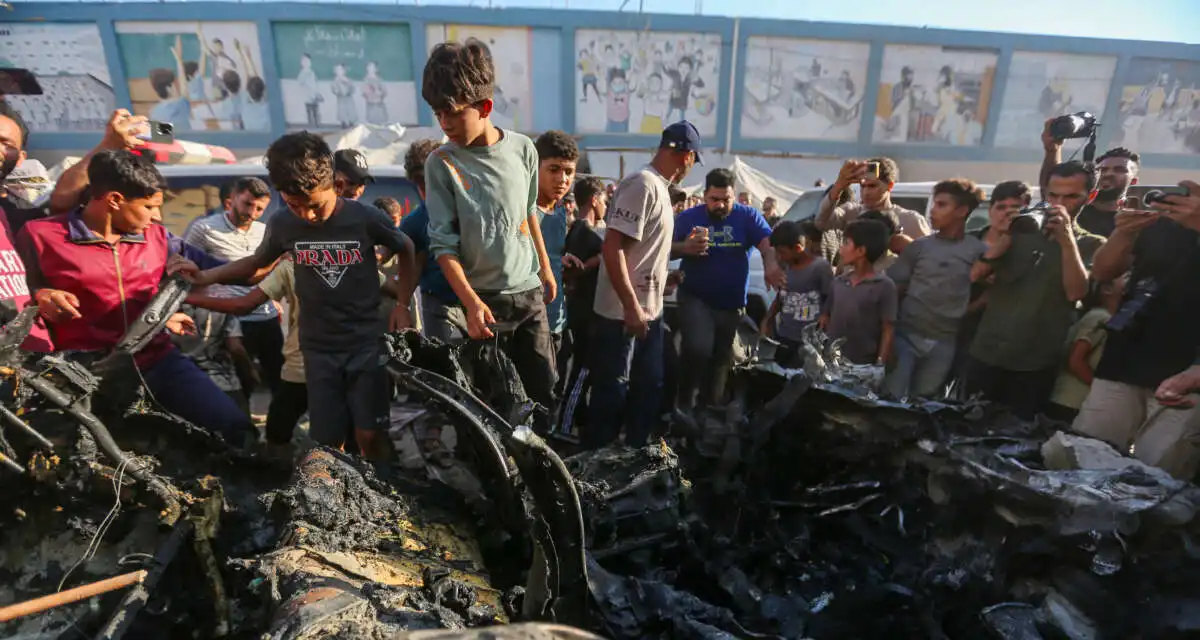
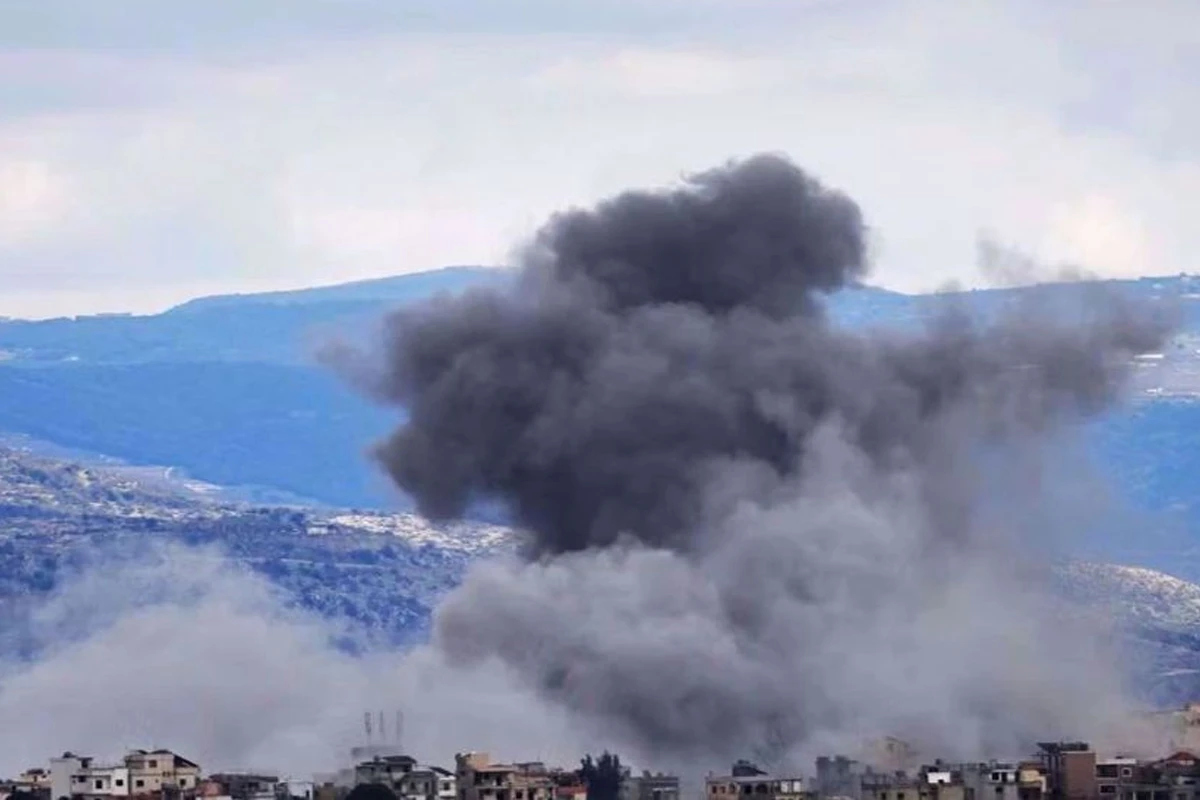
Israeli forces carried out a drone strike on the southern Lebanese village of Kfar Dajjal on Friday, injuring two people, according to reports. The attack came amid continued strikes and demolitions targeting areas across southern Lebanon.
Heavy explosions were also reported in the town of al-Khiam and the village of al-Qantara, as Israeli forces continued operations that Lebanese officials say are causing widespread damage to civilian infrastructure and forcing residents to leave their homes.
Lebanon’s National News Agency (NNA) reported that Israeli forces carried out demolition operations in several border villages, including the destruction of homes in Hadatha in the Bint Jbeil district.
The agency also reported that Israeli forces conducted demolition and detonation activities in Houla, while infrastructure in al-Khiam was damaged during overnight operations.
Residents across southern Lebanon reported hearing multiple large explosions, particularly in al-Khiam, where several blasts were heard across surrounding areas.
Additional demolitions were reported in Taybeh, while artillery fire was directed toward areas around Deir Siryan, according to Lebanese reports.
Dispute Over Israeli Withdrawal
The latest attacks have increased tensions over the future of Israeli military presence in Lebanon, with Israeli officials stating that their forces will remain in certain areas despite US claims that a withdrawal agreement had been reached.
Israeli Minister of Military Affairs Israel Katz said that Israel did not require permission from any side to maintain its military presence in Lebanon.
He stated that Israeli forces would continue operating in what he described as a security zone until Hezbollah was disarmed.
The comments followed remarks by US President Donald Trump, who said that Israel and Lebanon had reached an understanding and suggested that Israeli forces would withdraw.
Trump said he believed the agreement would succeed and that Israel was expected to leave Lebanese territory.
Concerns Over US-Mediated Framework Agreement
The developments come after a framework agreement between Beirut and Tel Aviv was signed on June 26 under US mediation.
Lebanese officials and Hezbollah have criticized the agreement, arguing that it does not guarantee a complete Israeli withdrawal or adequately protect Lebanon’s sovereignty.
Lebanese Parliament Speaker Nabih Berri and Hezbollah have maintained that Israeli forces must withdraw from Lebanese territory before any long-term arrangement can be accepted.
Critics of the agreement argue that it could allow continued Israeli military presence while limiting Lebanon’s ability to pursue international legal measures.
Rising Humanitarian Concerns
Lebanese authorities and officials have warned that continued military operations have caused significant civilian suffering, with thousands of deaths, injuries and widespread displacement reported since the escalation began.
The ongoing destruction of border villages has intensified concerns over humanitarian conditions in southern Lebanon, where many residents have been unable to return to their homes.
The situation has further complicated regional diplomatic efforts, with Lebanon’s sovereignty and the presence of foreign forces remaining central issues in negotiations.
As tensions continue, questions remain over whether diplomatic agreements will lead to a genuine reduction in hostilities or whether military operations will continue despite international calls for restraint.
Catch all the World News, Breaking News Event and Trending News Updates on GTV News
Join Our Whatsapp Channel GTV Whatsapp Official Channel to get the Daily News Update & Follow us on Google News.
Must Read