
Global Movement Restricts Child Social Media Access as Countries Implement Age Verification Laws

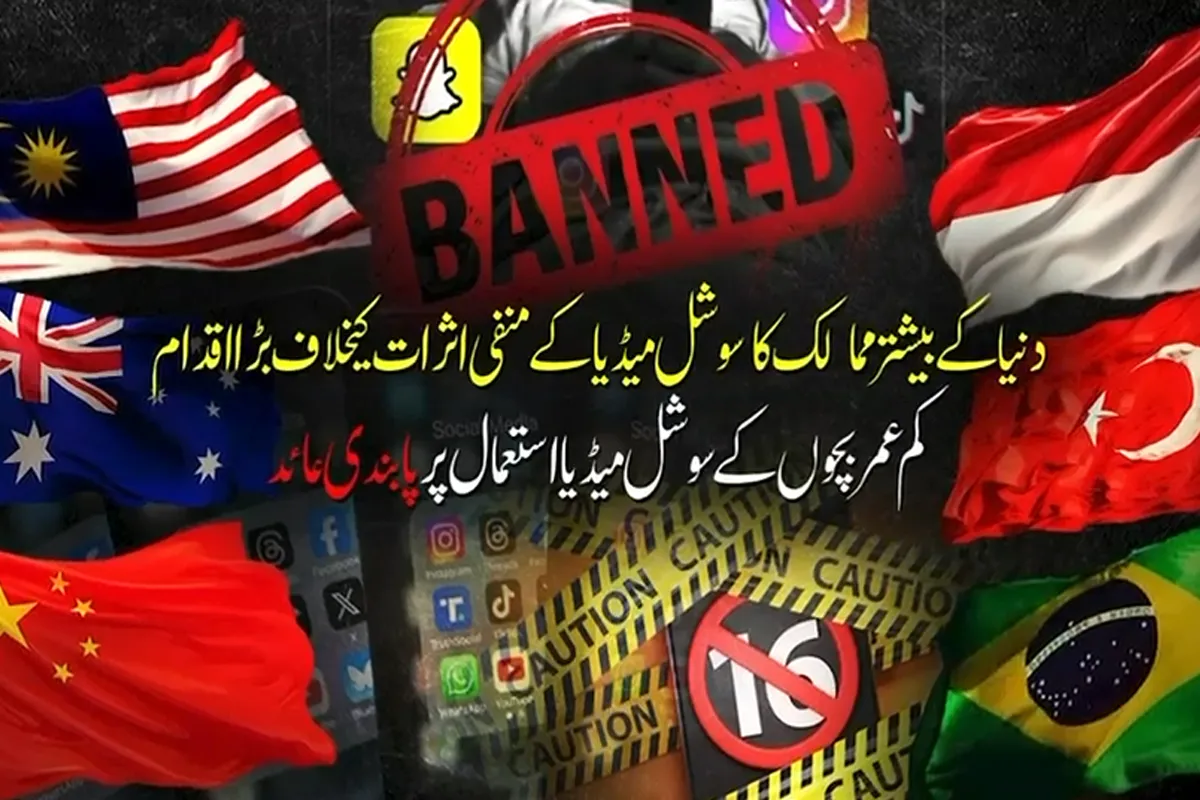
Governments worldwide are implementing sweeping restrictions on social media access for minors, signaling unprecedented international consensus on child digital protection. The regulatory wave reflects growing evidence that social platforms damage children’s mental health, moral development, and physical wellbeing.
Australia emerged as a regulatory frontrunner by banning social media for users under 16 years old. Platforms failing to enforce age restrictions face fines reaching $49.5 million—establishing substantial financial incentives for compliance. The legislation treats platform accountability as non-negotiable, positioning tech companies as responsible for protecting minors rather than allowing unrestricted access.
China implemented “Minor Mode” programs enforcing device-level restrictions alongside app-specific regulations. Rather than relying on parental monitoring alone, the system creates technical barriers preventing children from extended platform engagement. This approach recognizes that digital restrictions require structural enforcement, not voluntary compliance.
Indonesia followed suit with restrictions affecting approximately 70 million children. The government mandated social media bans for users under 16, acknowledging the scale of youth exposure to harmful content. Indonesia’s action demonstrates that developing nations increasingly prioritize child protection over American tech industry interests.
Brazil adopted a hybrid approach requiring parental oversight. Social media accounts for minors must link to legal guardians, creating accountability chains where parents retain authority over their children’s digital activity. This framework balances minor autonomy with protective oversight.
Turkey implemented age verification requirements for users under 15, establishing digital identity confirmation as prerequisite for platform access. The system creates friction reducing casual youth participation while permitting parental-approved access for legitimate educational purposes.
Expert Assessment and Implementation Challenges
Child protection experts support regulatory restrictions as essential safeguards against documented online harms. However, implementation proves complex across jurisdictions with varying enforcement capacity. Wealthier nations can impose substantial fines; developing countries struggle with technical enforcement mechanisms.
Pakistan’s policy experts emphasize that legislative frameworks modeled on international standards have become imperative. Without age verification requirements and platform accountability measures, Pakistani children remain exposed to content designed to maximize engagement regardless of developmental appropriateness.
The regulatory momentum reflects scientific evidence documenting social media’s psychological impact on minors. Platforms engineered for addiction create dependency patterns affecting academic performance, sleep quality, and social development. Governments increasingly view protection as legitimate policy responsibility rather than parental obligation alone.
Catch all the Technology News, Breaking News Event and Trending News Updates on GTV News
Join Our Whatsapp Channel GTV Whatsapp Official Channel to get the Daily News Update & Follow us on Google News.
Must Read



Pakistan
PM Shehbaz Sharif Reaffirms Solidarity with Saudi Arabia in Call with Crown Prince
13-September،2026