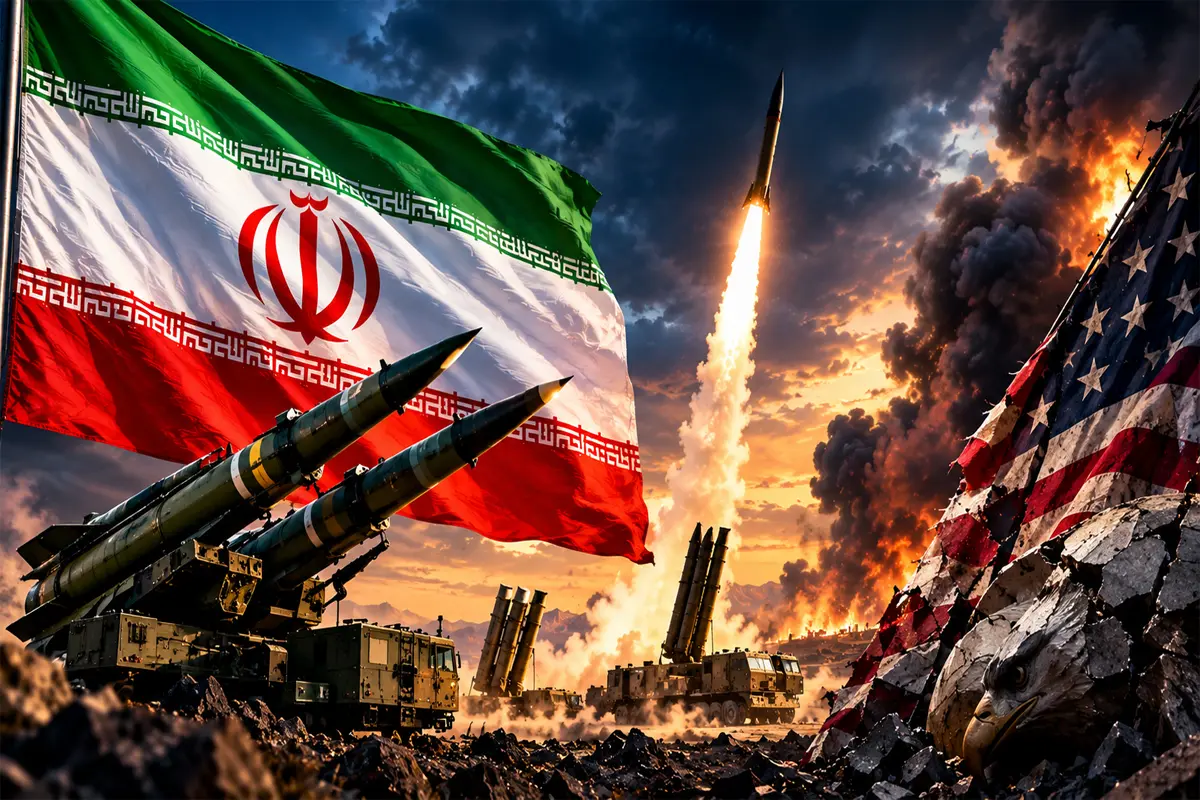

Trump Orders Probe Into Pentagon Weapons Stockpile Leak

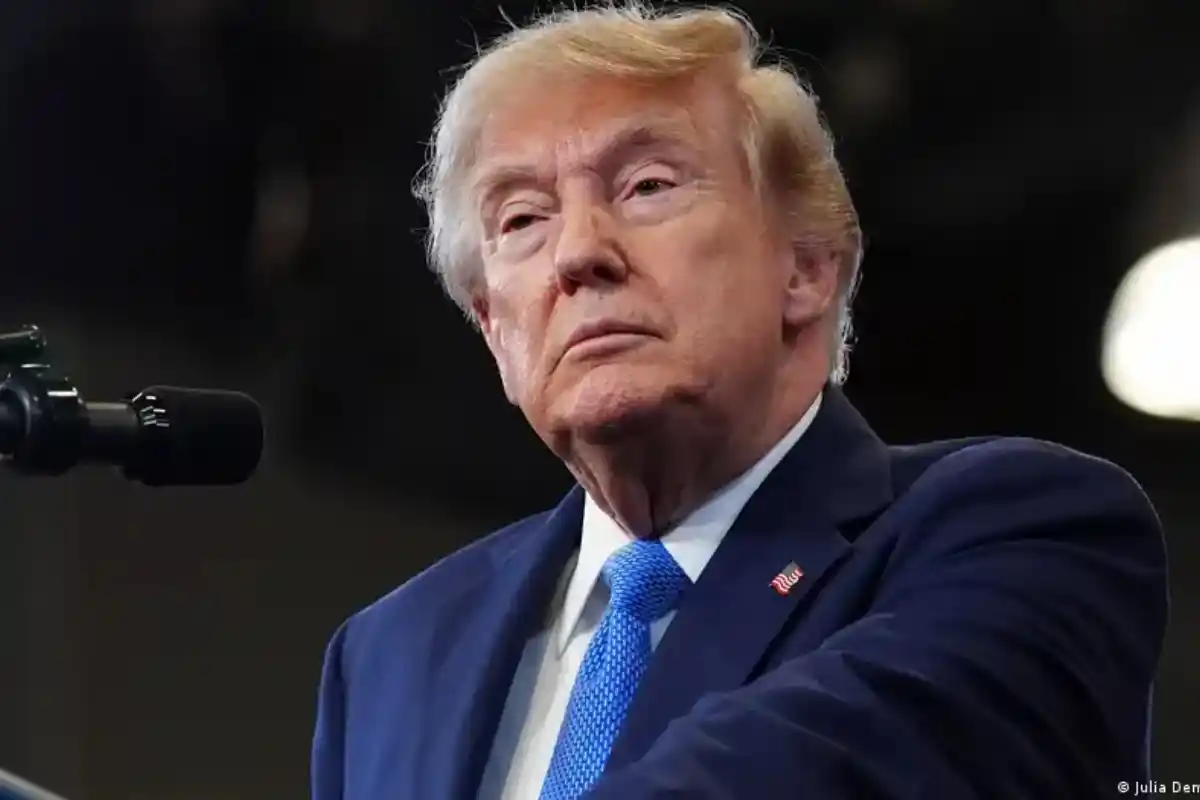
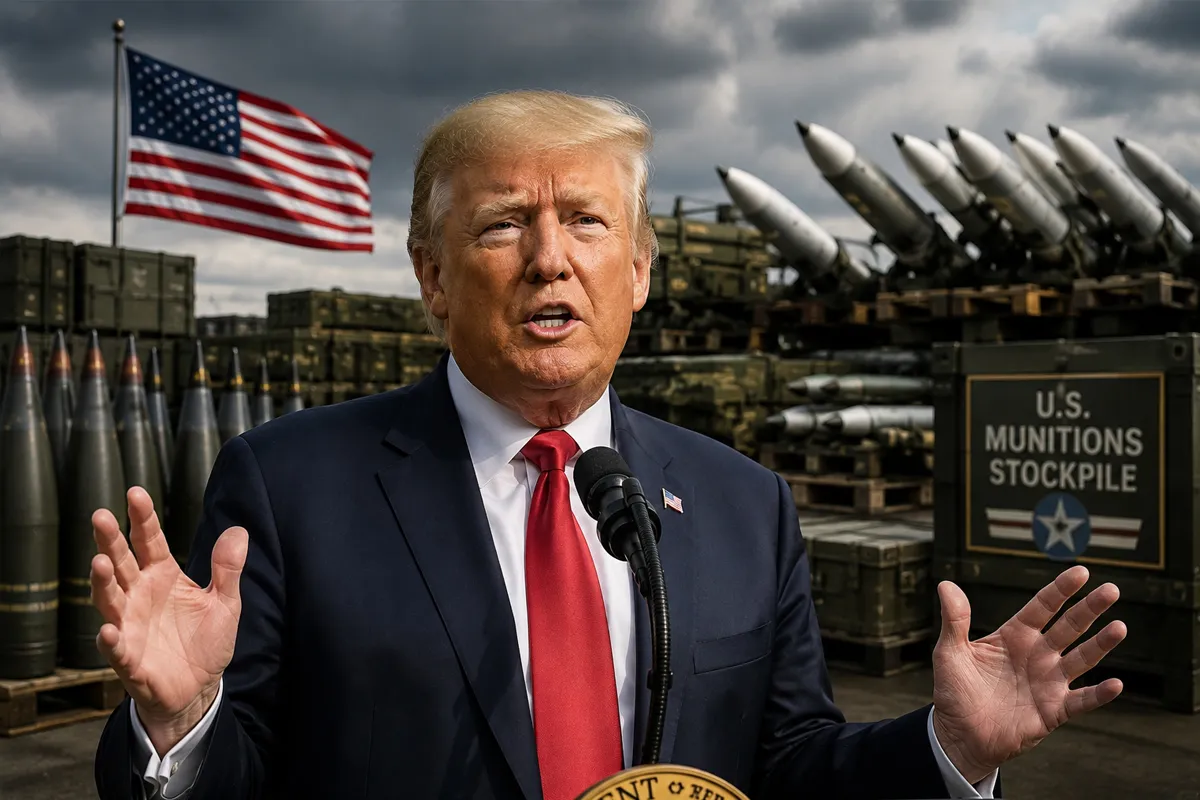
President Trump has ordered an investigation into the leak of classified information regarding US weapons stockpiles, according to the Wall Street Journal. The decision followed media reports about American munitions supplies in the context of the ongoing Iran war.
Trump dismissed the media reports as baseless, insisting the US holds large quantities of ammunition and describing those responsible for leaking the information as traitors.
This investigation order arrives directly on the heels of Trump’s earlier public denial of reported weapons shortages, when he told the Wall Street Journal the US has more weapons than any country in the world, far exceeding actual need — comments that directly contradicted separate reporting that Joint Chiefs of Staff Chairman General Dan Caine had briefed the White House on depleting interceptor missile stockpiles. Ordering an investigation into how that information became public suggests the administration is treating the leak itself as a serious breach, regardless of whether the underlying stockpile concerns are accurate.
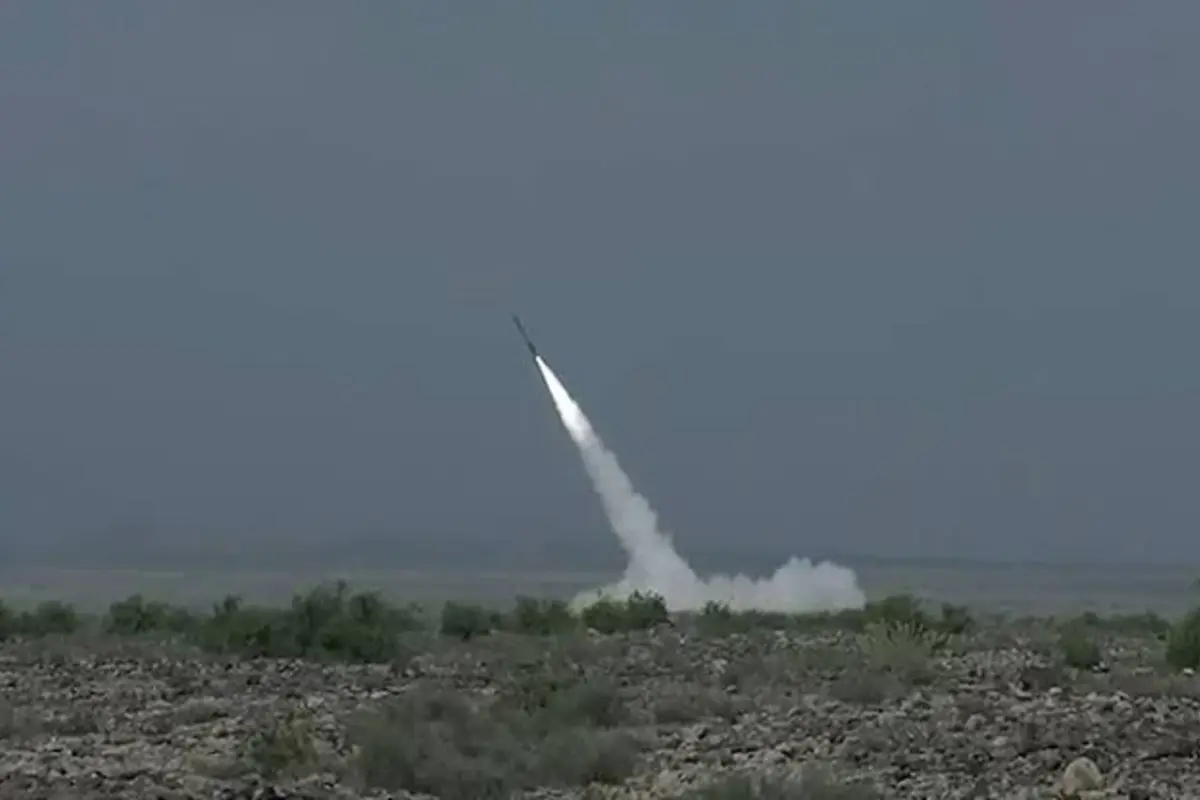
The leak investigation adds another dimension to a broader pattern of tension between the administration’s public messaging and internal military assessments throughout this conflict. Caine had separately warned publicly that resuming large-scale strikes against Iran remains possible but would dangerously deplete missile stockpiles further, while Defense Secretary Hegseth told the Senate Appropriations Committee that funding was urgently needed to expand production of solid rocket motors, JDAMs, and other high-demand munitions. Reports have also detailed the US military’s first Patriot PAC-2 interceptor order in more than three decades, with estimates suggesting between 1,060 and 1,430 Patriot interceptors already expended during the war.
Given this documented pattern of officials and reporting describing genuine stockpile strain, ordering an investigation into how such information reached the media — rather than addressing the underlying substance of the reports — signals the administration’s priority may center on controlling the narrative around military readiness rather than resolving discrepancies between Trump’s public statements and internal assessments.
This isn’t the first instance of tension between public messaging and internal military record-keeping during this conflict. The Pentagon separately removed four American troop deaths from its official Iran war casualty count last month, with officials attributing the change to data anomalies despite documented inconsistencies in the timeline, while press secretary Joel Valdez criticized reporting on the discrepancy as relying on anonymous sources pushing what he called a fake story.
Classifying information about weapons stockpiles as a national security matter warranting investigation, while simultaneously dismissing the substance of related reporting as baseless, creates a notable tension: if the reports genuinely contain no accurate information, the practical national security harm from their disclosure would be limited, whereas treating the leak as serious enough to warrant investigation implicitly suggests the underlying information carries some accuracy or sensitivity worth protecting.
Whether this investigation identifies and addresses an actual unauthorized disclosure, or whether it primarily serves to discourage further reporting on military readiness during an already contentious and closely scrutinized conflict, will likely become clearer depending on what results, if any, emerge from the inquiry and whether similar reporting on stockpile levels continues appearing in the press despite the investigation.
Catch all the World News, Breaking News Event and Trending News Updates on GTV News
Join Our Whatsapp Channel GTV Whatsapp Official Channel to get the Daily News Update & Follow us on Google News.
Must Read