Oil Companies Avoid Iran-Blacklisted Ships Over Hormuz Violations: Report

Oil Companies Avoid Iran-Blacklisted Ships Over Hormuz Violations: Report
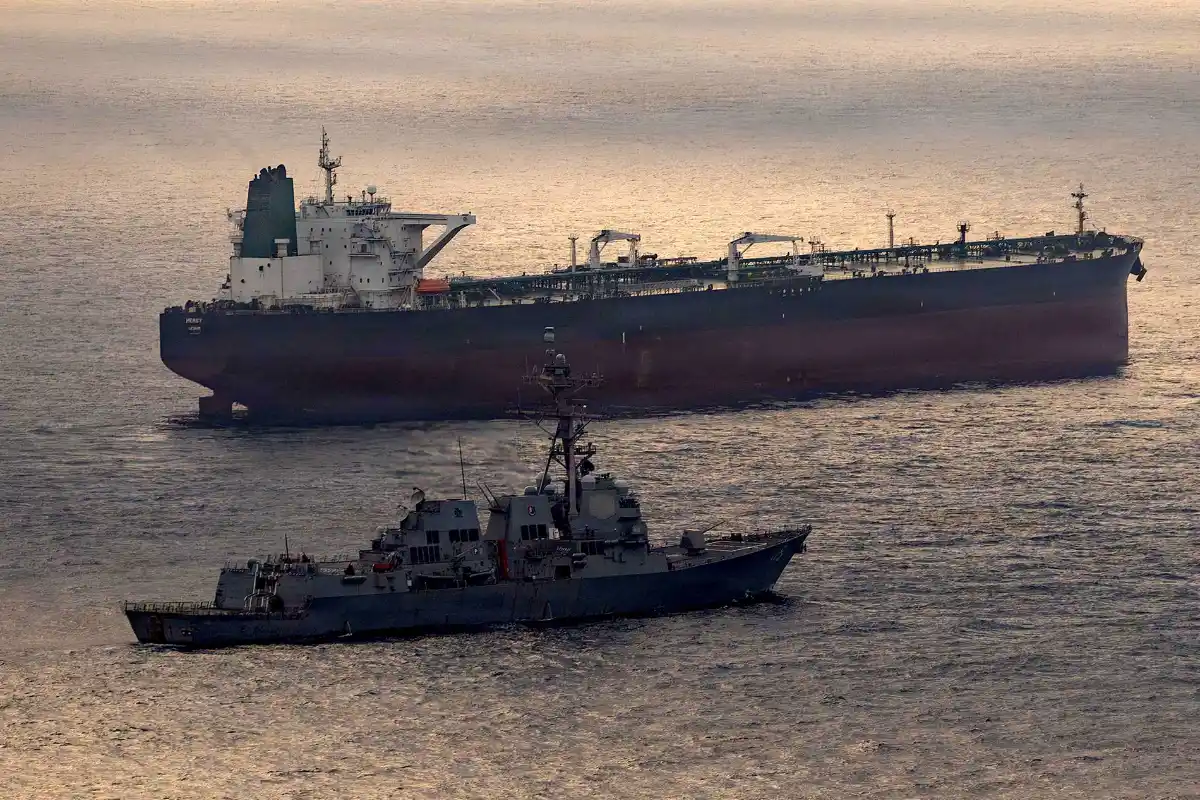
At least three Indian oil refiners and a major global energy company are reportedly planning to stop using vessels blacklisted by Iran for violating its rules while transiting the Strait of Hormuz.
According to Reuters, citing four informed sources, the companies plan to avoid chartering the listed vessels and carrying out ship-to-ship (STS) transfers involving them due to security concerns.
“We will avoid our chartered vessels dealing or STS or anything to do with non-compliant ships for Middle Eastern cargoes,” said an unnamed source working at an Indian refinery.
Several other trade and shipping sources said charterers and shipping companies are also discussing whether to continue STS operations following Iran’s warning.
A Persian Gulf crude buyer said it would be safer to purchase oil on a delivered basis and have it shipped directly to the final destination rather than using free-on-board arrangements at STS locations in the Sea of Oman.
On Sunday, Iran’s regulatory body for the Strait of Hormuz published a blacklist of 45 vessels accused of violating its rules for passing through the strategic waterway, which handles around a fifth of global oil demand.
The Persian Gulf Strait Authority (PGSA) warned on X that the blacklisted vessels could face fines, detention or cargo confiscation. Vessels assisting the listed ships could also face penalties.
Some tankers on the list are owned or chartered by Saudi Aramco and Abu Dhabi National Oil Co (ADNOC).
Ana Subasic, a trade risk analyst at shiptracking firm Kpler, said buyers with strict compliance policies are likely to avoid the blacklisted vessels, although oil shipments are more likely to be rerouted.
“The key issue is contagion,” Subasic said. “If Iran follows through on threats to penalize vessels that conduct STS transfers with blacklisted tankers, that should narrow the pool of willing shipowners, charterers and buyers, particularly among firms with material Persian Gulf exposure, while increasing due-diligence requirements and potentially freight, insurance and risk premia.”
Iran restricted transit through the Strait of Hormuz following the illegal US-Israeli aggression against the country that began on February 28 and ended with a ceasefire on April 8.
On June 17, Tehran and Washington signed the Pakistan-brokered Memorandum of Understanding (MoU). Article 5 of the agreement places responsibility for reopening and managing the strait on Iran.
However, the US later sought to challenge Iran’s control over the important energy route by establishing an unsafe corridor near the Omani coast. The US also resumed aerial attacks on Iran and imposed a naval blockade, which Iran said violated the agreement.
Following these measures, Iran declared the Strait of Hormuz closed to all traffic.
The Islamic Republic has said that reopening the strategic waterway depends on the US fulfilling its commitments under the MoU.
Catch all the World News, Breaking News Event and Trending News Updates on GTV News
Join Our Whatsapp Channel GTV Whatsapp Official Channel to get the Daily News Update & Follow us on Google News.
Must Read


Pakistan
Global Oil Prices Rise 90% as Pakistan Monitors Fuel Supplies, Minister Says
20-September،2026