Govt rejects IMF proposal for 18% GST on electric vehicles

Govt imposes 25% sales tax on hybrid vehicles after tax relief ends
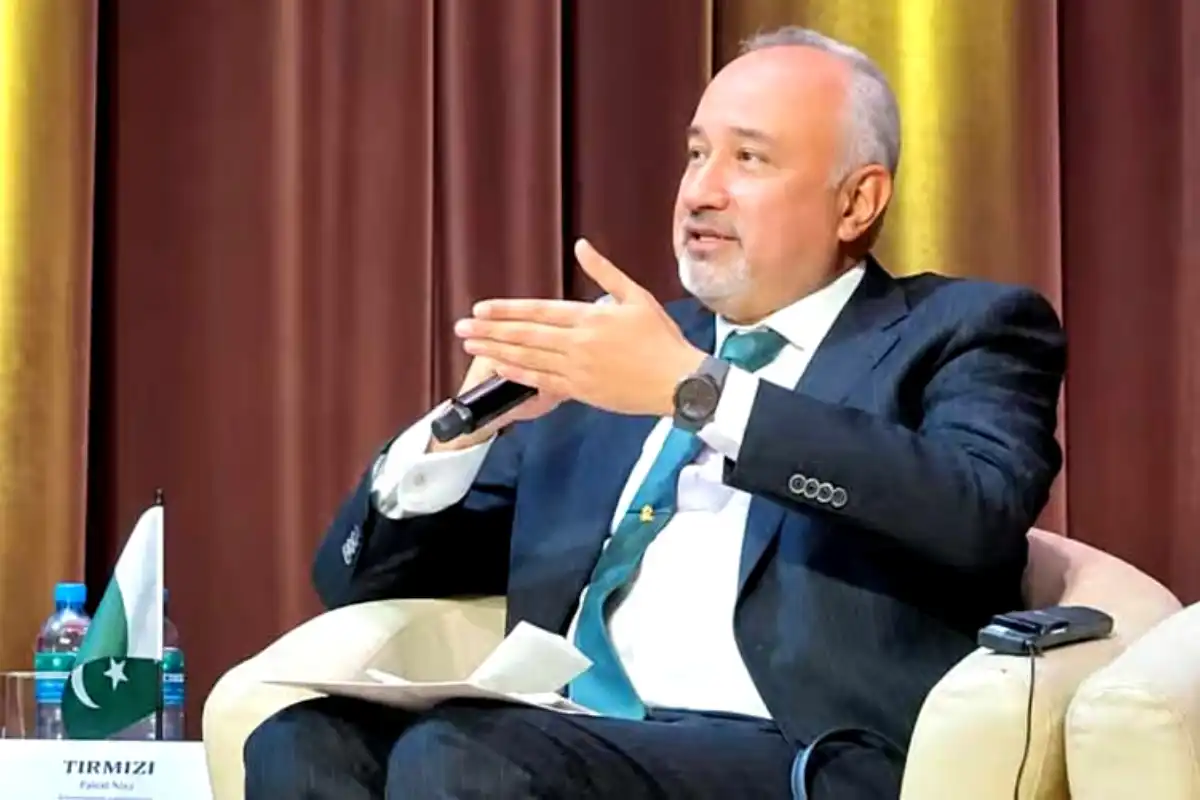
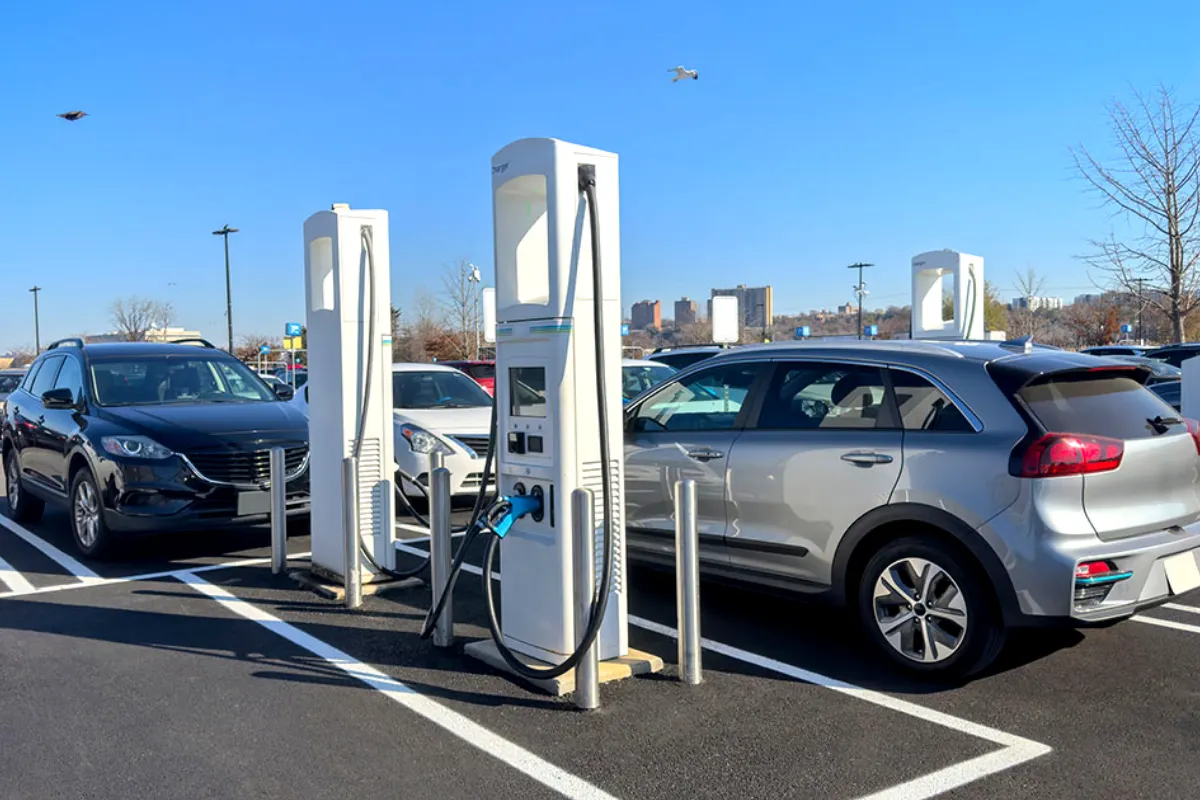
The Ministry of Industries has opposed the International Monetary Fund’s proposal to impose an 18 percent General Sales Tax (GST) on electric vehicles (EVs). Instead, the ministry has suggested a much lower concessional rate of 1 percent as part of the upcoming auto policy.
During talks with an IMF delegation, government officials presented details of the new policy framework and proposed a 1 percent GST on all New Energy Vehicles. This includes electric cars, buses, trucks, tractors, pickups, motorcycles, three-wheelers, and commercial vehicles.
Officials said hybrid vehicles already enjoy a reduced GST rate of 8.5 percent. They questioned why fully electric vehicles should not receive even greater tax incentives to encourage wider use in the country.
The ministry also pointed out issues in the current tax structure. Imported EV parts are taxed at 1 percent GST, while locally manufactured parts face an 18 percent tax. Officials said this creates imbalance in the industry and suggested applying a uniform 1 percent GST across the EV supply chain.
Discussions also covered Pakistan’s broader tariff reforms under the National Tariff Policy. The government has promised the IMF that it will reduce the average import tariff from 10.6 percent in FY25 to 7.4 percent by FY30.
For the auto sector, the plan is to bring the average tariff below 6 percent by 2030, in line with ongoing reforms.
However, the Ministry of Industries expressed concern over the speed of tariff reductions. Officials said countries like India and Bangladesh still maintain high import duties of 70 to 80 percent to protect their local car industries. They argued that Pakistan should also keep stronger protection for its domestic auto sector.
The new auto policy is in its final stages and will be shared with the IMF before being sent to the federal cabinet for approval. It includes plans to gradually remove additional customs and regulatory duties and reduce overall import taxes by 2030.
Separately, the Motor Vehicle Development Act has been submitted to Parliament. The law would give the Engineering Development Board authority to enforce safety and environmental standards for both local and imported vehicles.
The government expects the bill to be approved by the National Assembly before the end of June 2026, although some coalition partners have raised concerns about parts of the proposed legislation.
Catch all the Automobile News, Business News, Breaking News Event and Trending News Updates on GTV News
Join Our Whatsapp Channel GTV Whatsapp Official Channel to get the Daily News Update & Follow us on Google News.
Must Read


Entertainment
King Charles Sends Independence Day Wishes to Botswana on 60th Anniversary
30-September،2026