Pakistan Receives $1.32 Billion IMF Tranche; What the Disbursement Means Beyond the Headline Number

Pakistan Reaches Staff-Level Agreement with IMF
The money has arrived. The harder question is what Pakistan had to do to get it — and what it still has to do to keep it coming.
Pakistan’s State Bank confirmed on Wednesday that $1.32 billion from the International Monetary Fund landed in its accounts on May 12, following the IMF Executive Board’s approval of the third review under the Extended Fund Facility on May 8. The inflow comprises $1.1 billion under the EFF and approximately $220 million under the Resilience and Sustainability Facility — a climate-focused arrangement approved separately in May 2025.
The funds will reflect in Pakistan’s official foreign exchange reserves for the week ending May 15, providing an immediate and visible boost to a reserve position that has been rebuilding steadily but remains below the levels needed to provide genuine external shock absorption.
Why the Third Review Matters More Than the First Two
IMF program reviews are not routine checkboxes. Each one requires the Fund’s staff to assess whether the borrowing country has met the prior actions and structural benchmarks agreed at the program’s outset. Early reviews in IMF programs tend to pass more easily — the most visible reforms have typically been front-loaded to secure the initial approval. By the third review, the harder structural work is supposed to be underway.
Pakistan passing the third review signals that the IMF is satisfied — at least for now — with progress on the core reform agenda: revenue mobilization, energy sector restructuring, state-owned enterprise reform, and exchange rate policy. These are precisely the areas where previous Pakistani IMF programs have historically broken down, making third-review passage a meaningful institutional milestone rather than a formality.
The Reform Commitments Attached to This Money
The disbursement does not arrive without obligations. Pakistan’s 37-month EFF, approved in September 2024, carries a demanding structural reform agenda. Broadening the tax base — which means bringing undertaxed sectors including retail, real estate, and agriculture into the formal revenue net — is central to IMF conditionality and directly relevant to the budget discussions currently underway for FY27.
Privatization of state-owned enterprises, energy sector viability restoration, and anti-corruption measures round out the structural agenda. Each of these is politically sensitive. The energy sector reforms in particular — which require reducing circular debt and restructuring tariff structures — carry direct cost implications for consumers and politically connected industrial interests.
The RSF component adds a climate resilience dimension: disaster preparedness, water use efficiency, and federal-provincial coordination on climate risk disclosure. These are longer-term institutional reforms, but their inclusion reflects growing IMF attention to climate vulnerability as a macroeconomic risk in countries like Pakistan.
The Reserve Picture and What Comes Next
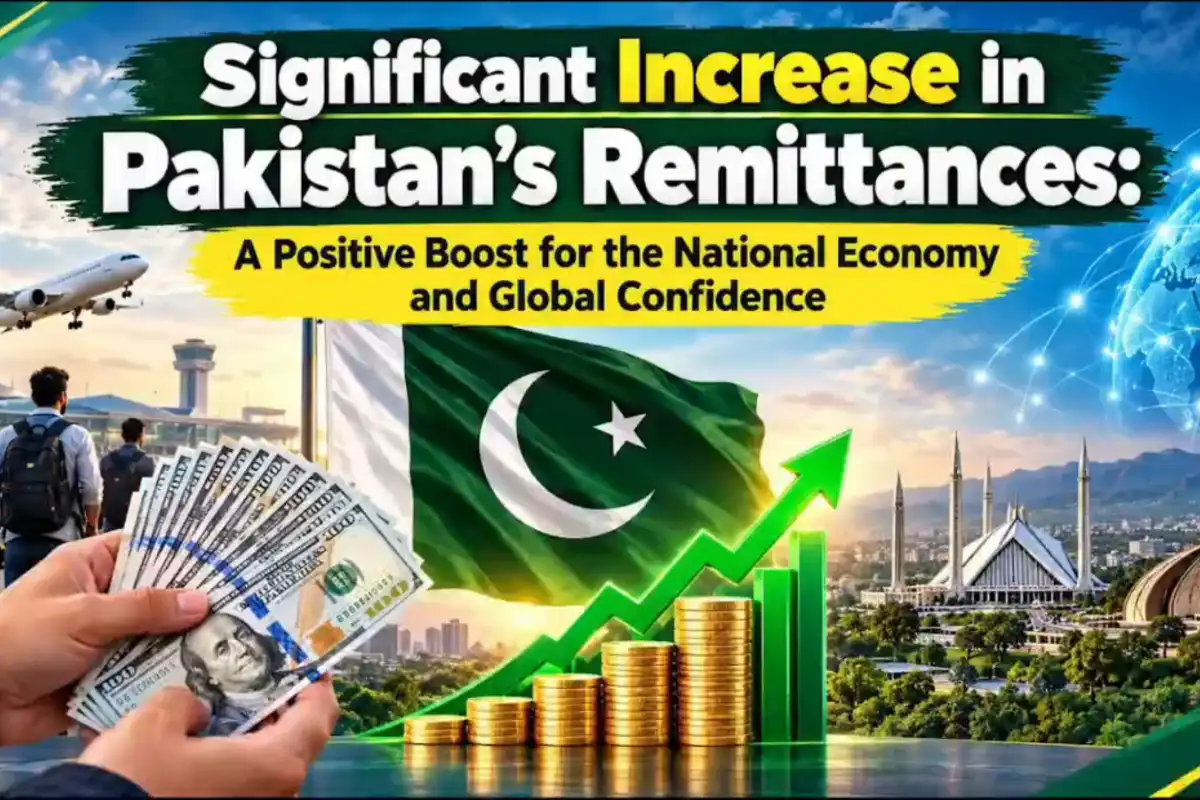
The $1.32 billion inflow arrives alongside Pakistan’s strongest remittance performance in years — $33.86 billion in the first ten months of FY26. Together, these inflows are gradually rebuilding the reserve buffer that multiple economic crises have eroded.
Four more IMF reviews remain under the current EFF. Each one is a test. Wednesday’s disbursement confirms Pakistan is passing them — so far.
Disclaimer; Based on State Bank of Pakistan and IMF official statements.
Catch all the Business News, Breaking News Event and Trending News Updates on GTV News
Join Our Whatsapp Channel GTV Whatsapp Official Channel to get the Daily News Update & Follow us on Google News.
Must Read