
Innovation key to university success, says global scholar during Pakistan visit

LAHORE: Pakistan’s higher education system has strong potential but must focus more on innovation and industry links to improve globally, an international education expert said during her recent visit to the country.
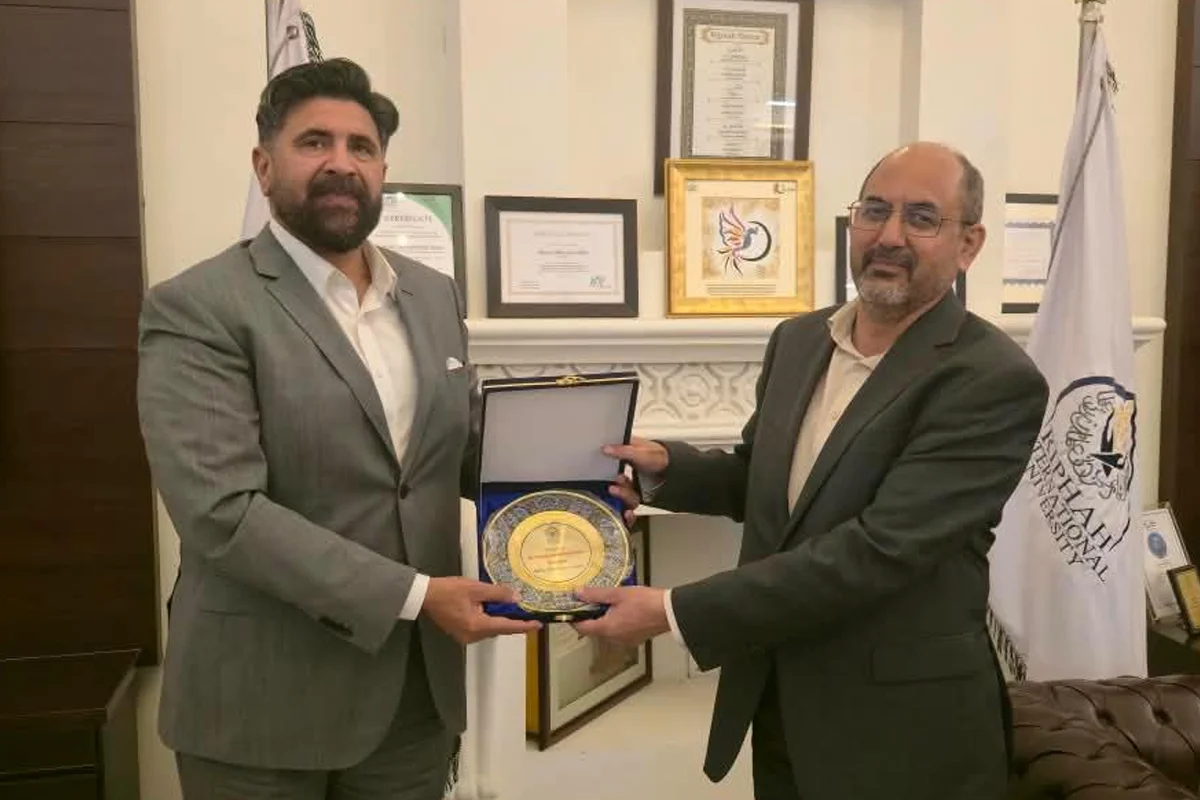
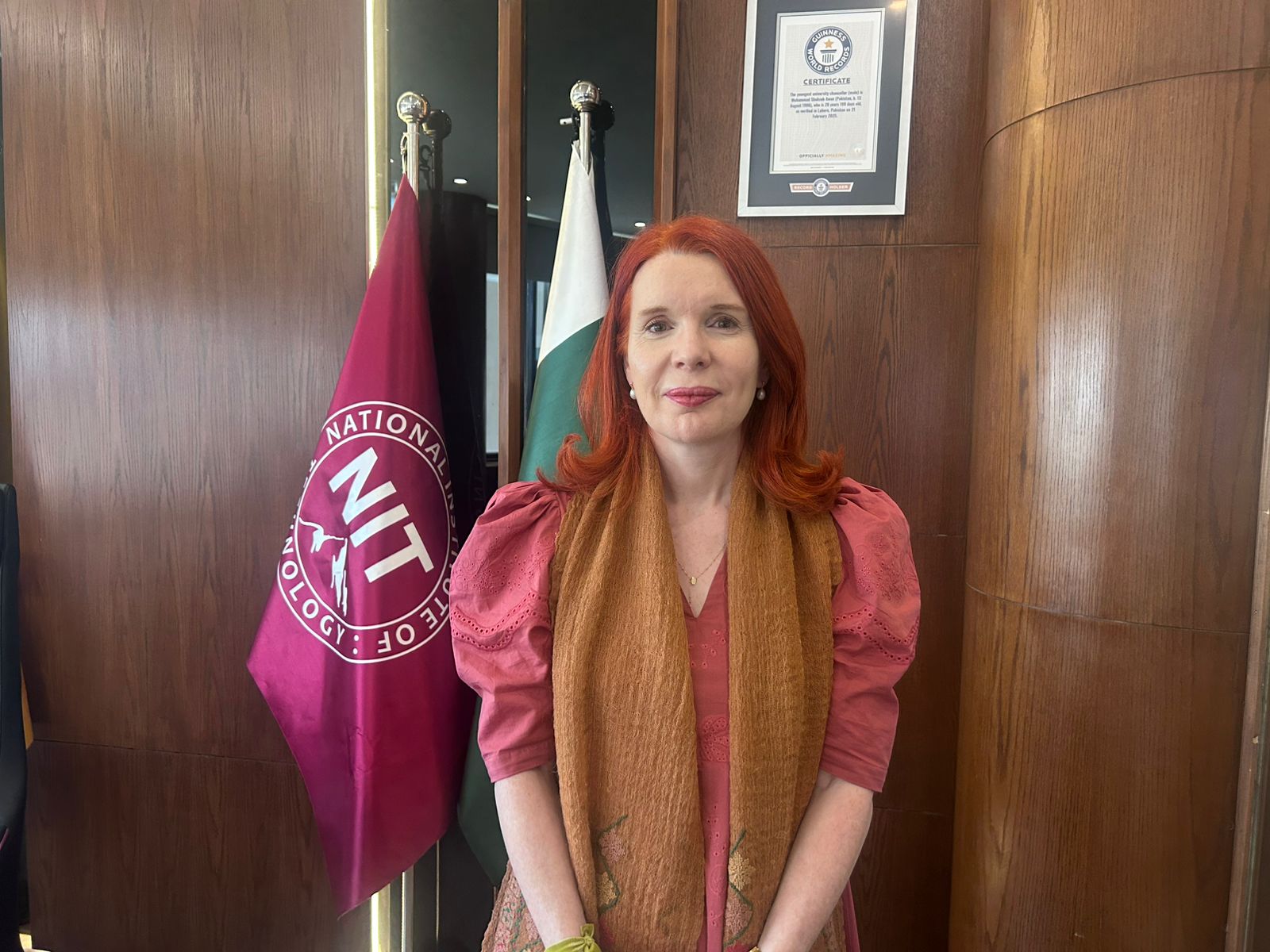
Dr Victoria C Fontan, a global scholar of peace and conflict studies, shared her views while visiting the National Institute of Technology (NIT) in Lahore. She said Pakistan is going through rapid change and is becoming an important economic and geopolitical player.
“The country has always had strong potential. Now it is starting to use it better,” she said.
Dr Victoria praised institutions like NIT for focusing on innovation and entrepreneurship. She said many universities still focus only on subject knowledge, which is not enough in today’s world.
“NIT is preparing students for real life. It is connecting education with industry and society. It is building an ecosystem, not just a classroom,” she said.
She added that such institutions are bringing global standards while adapting them to local needs. “This approach is very important for the future,” she said.
Speaking about Pakistan’s overall higher education system, Dr Victoria said the quality of education is strong in many fields. She noted that academic discussions in areas like international relations show critical thinking and freedom of ideas.
However, she also pointed out a key weakness. “Different disciplines work separately. Departments do not collaborate enough,” she said. “This creates gaps and wastes potential.”
She said universities can achieve much more if they bring different fields together and work across disciplines. She added that the situation is improving and universities are slowly changing.
On global rankings, Dr Victoria said the system has changed in recent years. “Rankings are not only about academic knowledge anymore,” she said. “They now depend on how universities connect with industry and society.”
She explained that countries like Turkey and Malaysia have improved their rankings by focusing on innovation and practical learning. Pakistan, she said, is moving in the same direction and can become a strong competitor.
Dr Victoria also shared advice for Pakistani students. She said students should not lose their identity in the name of globalisation. “The world does not need people who are the same everywhere,” she said.
She encouraged students to stay connected to their culture while also sharing their knowledge with the world. “Peace in the world begins with peace in each society,” she said.
Talking about global conflicts, Dr Victoria said universities should remain neutral. “They should not take sides. Their role is to create space for dialogue,” she said.
She said campuses must allow different views and help people find solutions. “If universities become political, society loses an important platform,” she added.
On the issue of student unions in Pakistan, she said they can play a positive role if managed properly. “Student unions help students learn democracy and leadership,” she said.
However, she stressed the need for clear rules. “There must be a constitution and strong oversight. Students should not misuse power,” she said. She added that she has seen student unions work well in difficult environments like Afghanistan when proper systems are in place.
Dr Victoria also spoke about the role of education in reducing tensions between countries such as Pakistan and Afghanistan. She said education may not solve conflicts directly but can help create understanding.
She shared an example from Afghanistan where academics worked on ideas used in peace discussions. One important idea was “shared suffering”, which helped both sides understand each other’s pain.
“Universities can bring people together. They can open doors for dialogue,” she said.
Dr Victoria has more than 20 years of experience in higher education leadership. She has worked in countries facing conflict, including Somalia, Sudan and Afghanistan. She previously served as provost at the American University of Afghanistan.
She is also a Visiting Fellow at Stanford University and co-founder of an alliance that supports education for Afghan women. Her work focuses on linking education with peace, development and human security.
At the end of her visit, she expressed optimism about Pakistan’s future. “Every time I come here, I am impressed,” she said.
“The country has talent and energy. If universities continue to improve, Pakistan can achieve great things.”
Catch all the Education News, Breaking News Event and Trending News Updates on GTV News
Join Our Whatsapp Channel GTV Whatsapp Official Channel to get the Daily News Update & Follow us on Google News.
Must Read
Pakistan
Bilawal Bhutto Pays Tribute to Karsaz Martyrs, Calls for Unity Against Terrorism
18-October،2026