
US-Iran Relations: Both Sides Agree to Open Communication Channel

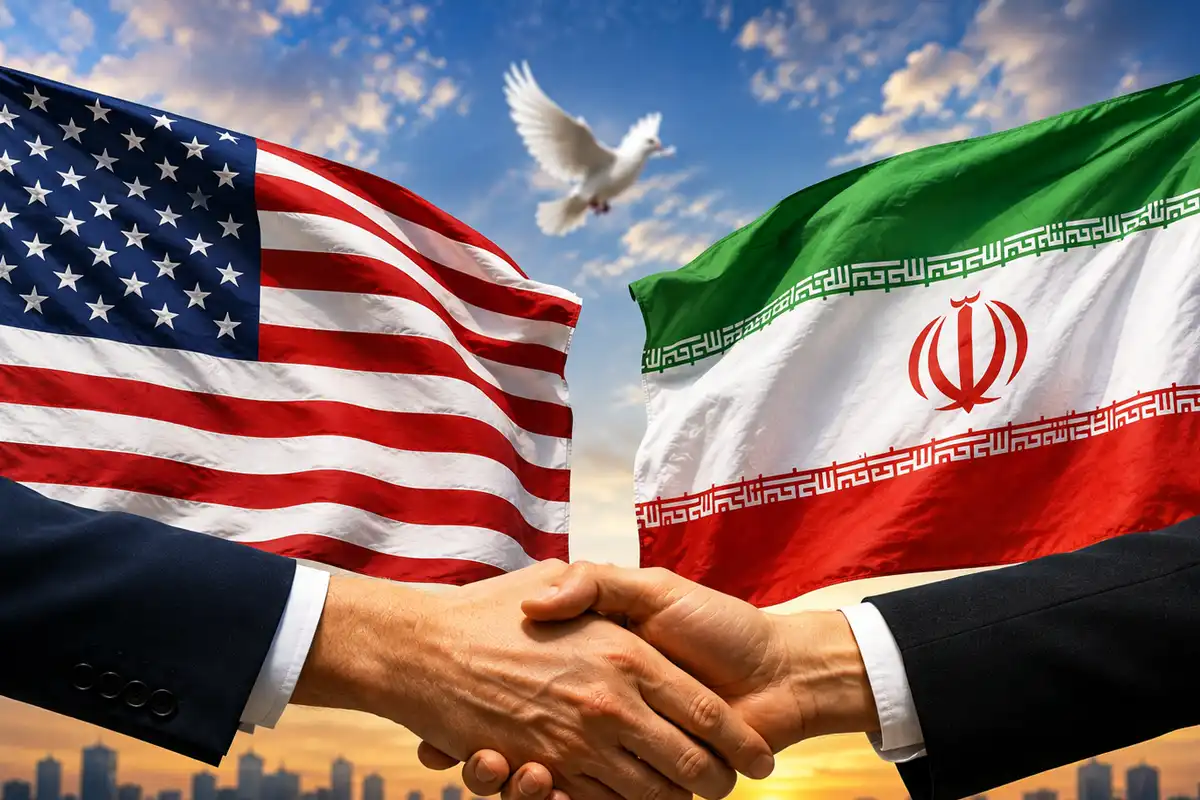
Iran’s Deputy Foreign Minister Kazem Gharibabadi announced completion of Doha meetings establishing formal communication channels between Washington and Tehran, yet the absence of senior Iranian negotiators signals deeper structural dysfunction in implementing the ceasefire agreement. The substitution of technical delegations for political leadership indicates both sides view ongoing negotiations as dispute management rather than genuine peace building.
The significance lies in what was not present at the table. US delegation included strategically important figures—Jared Kushner and Steve Witkoff—positioning this as consequential engagement. Conversely, Iran’s Foreign Minister Abbas Araghchi and Parliament Speaker Baghir Qalibaf did not attend, delegating authority to Gharibabadi and technical teams. This asymmetry reveals divergent commitment levels: Washington sent senior political operatives while Tehran dispatched functionaries, suggesting Iran’s decision-makers assessed the talks as procedurally necessary but strategically secondary.
Gharibabadi’s agenda focused on documenting American violations of the agreement’s first clause—comprehensive conflict termination across all theaters. His formal complaints regarding US military reinforcement in the region and interventionist rhetoric from American officials constitute not negotiation but accusation filing. Establishing dispute resolution mechanisms typically indicates parties lack confidence in voluntary compliance, requiring enforcement architectures.
The communication channel establishment carries particular significance. Such channels exist specifically when trust has deteriorated so thoroughly that parties cannot rely on standard diplomatic procedures. Their creation represents acknowledgment that the memorandum framework has become contested, with each side interpreting identical language to mean different things. Rather than resolving this interpretive conflict, both parties chose to construct parallel dispute mechanisms—effectively admitting the original agreement is failing operationally.
Iran’s frozen assets discussion with Qatar represents the agreement’s financial dimension. The $6 billion in unfrozen funds and decision-making about their deployment for procurement reflects power dynamics: Iran must account for expenditures, constraining its autonomy in resource utilization. Gharibabadi’s statement that “usage expenses were agreed upon” suggests negotiated limitations on how Iran allocates its own frozen assets—a concession that reduces practical benefit of asset release.
The absence of serious Iranian political figures carries implications for domestic legitimacy. If Araghchi and Qalibaf had attended, their participation would signal regime commitment to ceasefire implementation at highest levels. Their non-attendance suggests Tehran’s political leadership has already calculated that this agreement faces implementation failure, reducing incentive for senior officials to personally invest credibility. Gharibabadi’s technical leadership preserves senior officials’ deniability when disputes inevitably escalate.
Witkoff and Kushner’s attendance represents Trump administration priorities. Kushner’s involvement—lacking formal diplomatic credentials—signals this negotiation transcends traditional state-to-state diplomacy, placing personal presidential representatives in direct engagement role. This pattern historically precedes either breakthrough agreements or deliberately informal diplomatic channels designed to circumvent institutional constraints. In this context, it suggests either creative problem-solving or acknowledgment that formal channels have exhausted utility.
The distinction between what was supposed to happen and what is occurring has become stark. The agreement contemplated comprehensive conflict termination, mutual withdrawal, and nuclear program negotiation within 60 days. Current reality shows military reinforcement continuing, senior officials increasingly removed from negotiations, and new dispute mechanisms being constructed to manage conflicts the original agreement was supposed to prevent.
The communication channels represent not negotiating progress but institutionalization of disagreement—formal acknowledgment that the ceasefire framework is breaking down and parties now require permanent dispute management infrastructure.
Catch all the World News, Breaking News Event and Trending News Updates on GTV News
Join Our Whatsapp Channel GTV Whatsapp Official Channel to get the Daily News Update & Follow us on Google News.
Must Read