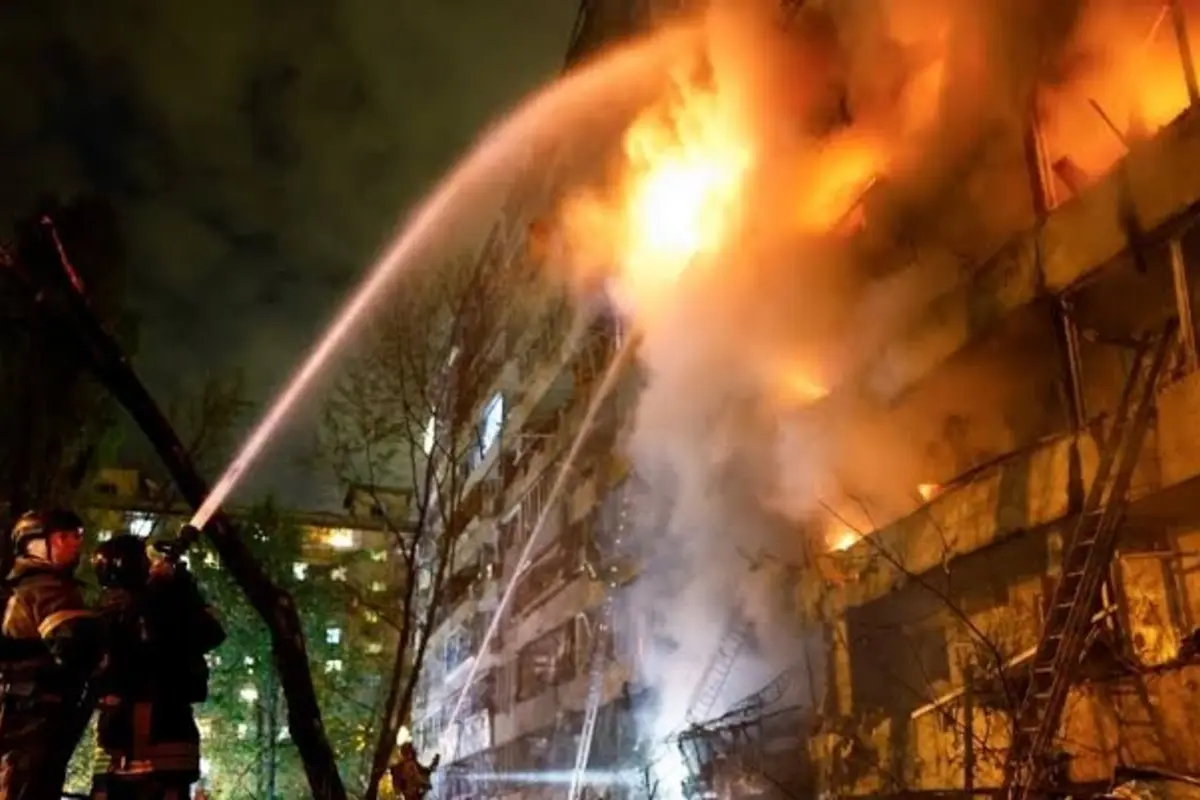

US Calls for International Support as Hormuz Dispute Deepens

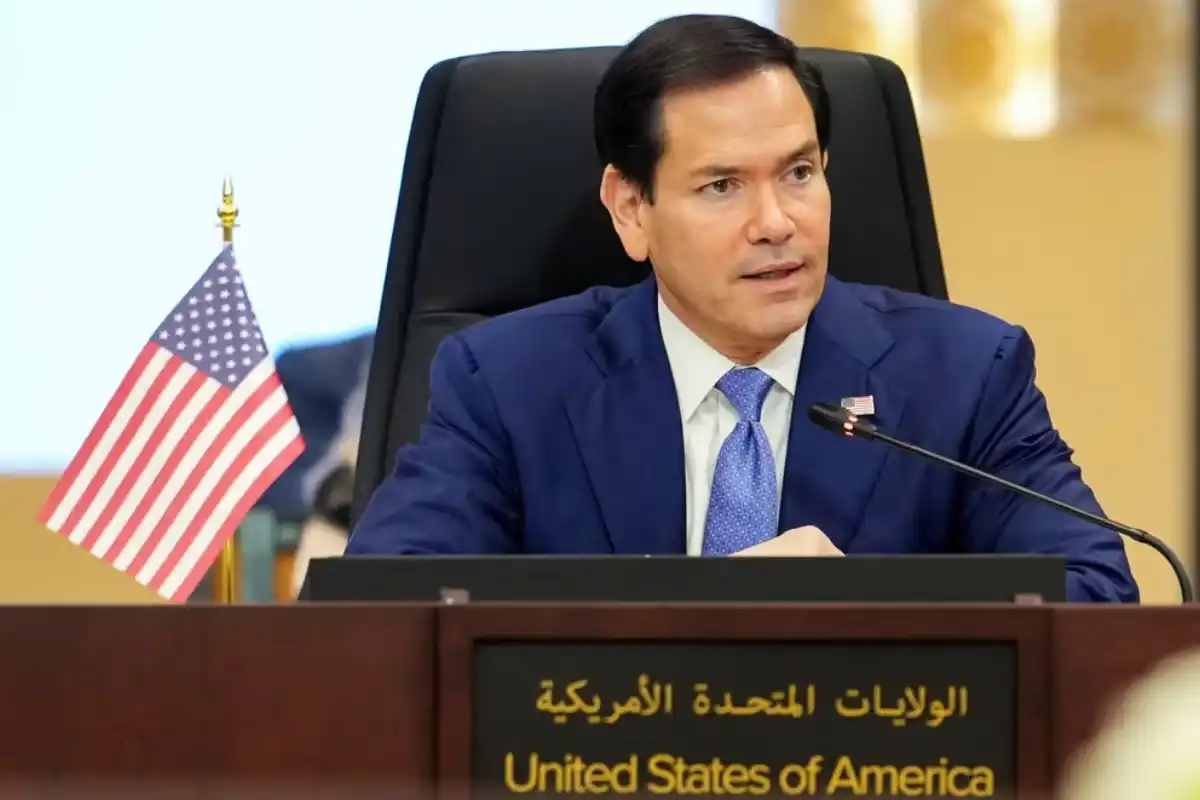
Peace, But Not At Any Cost: US Tough Stance on Iran
US Secretary of State Marco Rubio said Iran is using the Strait of Hormuz as leverage in the ongoing Middle East conflict, adding that other countries needed to step up pressure to protect global shipping. He made the remarks to reporters ahead of a trip to the Philippines for an ASEAN foreign ministers meeting.
Rubio said it was clear that Iran, or at least some people in Iran, want to control the straits and hold that as leverage against the world. The comment reflects Washington’s reading of Iran’s repeated threats to close Hormuz — a waterway carrying a significant share of global oil shipments — as a deliberate pressure tactic tied to the broader conflict rather than a purely defensive security measure.
Rubio’s call for burden-sharing marks a notable shift in tone. He said the United States would continue doing what it needs to protect global shipping, but that other countries needed to begin stepping up and providing hardware or financing to help carry that burden. That framing suggests Washington sees the costs of safeguarding Hormuz shipping as unsustainable to shoulder alone, especially as the conflict enters its second week with no clear resolution in sight.
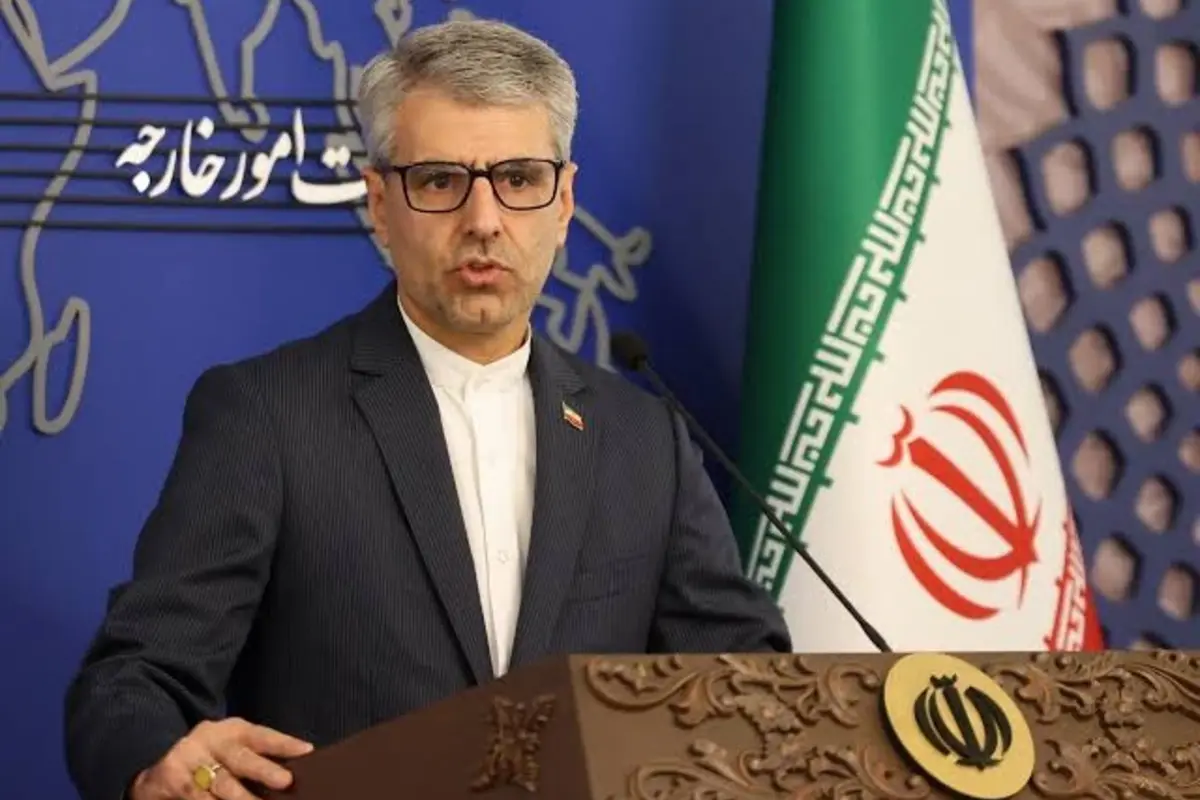
Asked whether a diplomatic path remained open despite the escalating strikes, Rubio said the US remains open to diplomacy, but stressed any deal has to be real, one Iran is willing to live by, and that Iran can’t treat a memorandum of understanding as still in effect while violating its terms. That comment directly echoes recent statements from Iranian officials, including IRGC advisor Mohsen Rezaei, who has argued the reverse — that it’s Washington violating the terms of the earlier memorandum through continued strikes and blockade actions.
The dueling accusations over who broke the agreement first illustrate how far apart both sides now are on the basic facts of the ceasefire’s collapse, let alone terms for restoring it. Rubio reiterated that the US has tried multiple times with Iran and will continue trying — language that keeps a diplomatic door nominally open even as US strikes continue nightly and Iranian officials warn of expanding retaliation against Gulf states hosting American forces.
Whether Rubio’s remarks signal genuine renewed diplomatic outreach or primarily aim to shift blame for the conflict’s continuation onto Tehran will likely become clearer depending on whether any concrete US-Iran contact follows in the coming days. For now, the gap between Washington’s insistence on Iranian compliance and Tehran’s insistence that the US broke the deal first leaves little visible common ground for de-escalation.
Catch all the World News, Breaking News Event and Trending News Updates on GTV News
Join Our Whatsapp Channel GTV Whatsapp Official Channel to get the Daily News Update & Follow us on Google News.
Must Read

Pakistan
Maryam Nawaz Vows to Empower Women and Provide Students with a Safe Environment
20-October،2026