
Iran’s Trade Falls 35% as War Continues and US Pressure Grows

Iran’s Trade Falls 35% as War Continues and US Pressure Grows
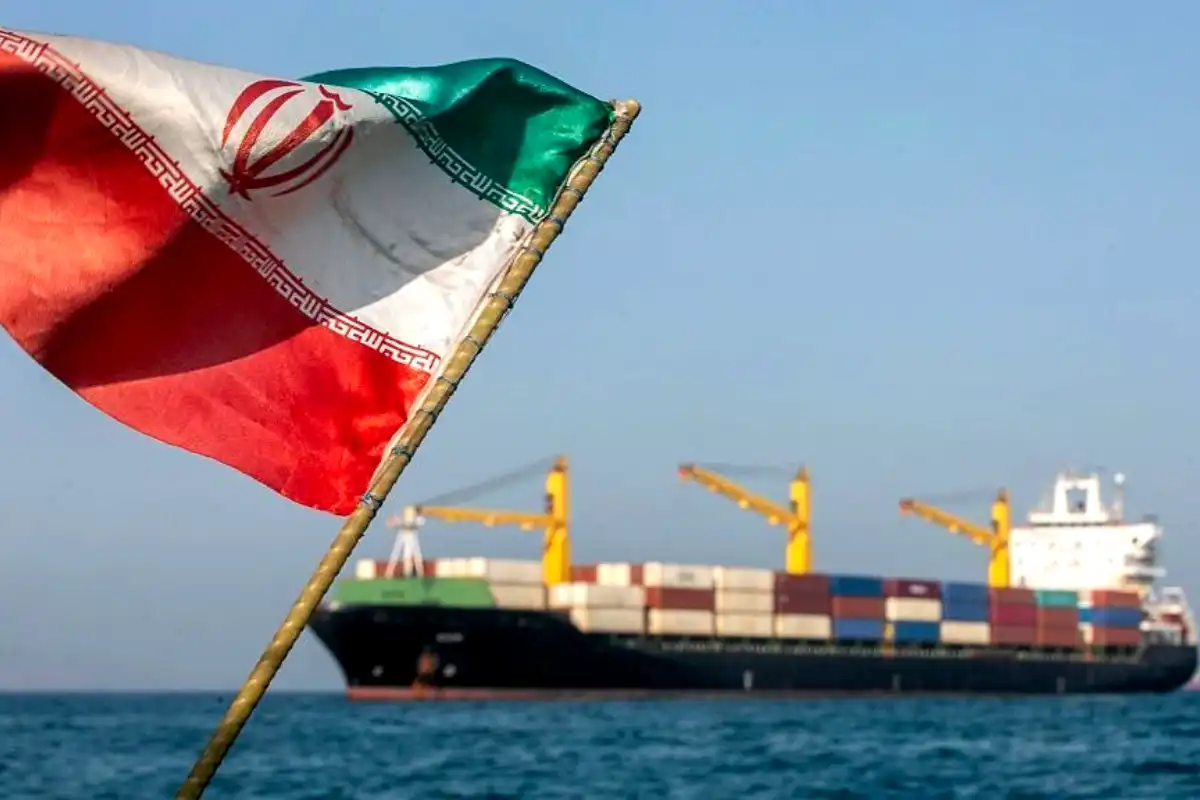
Iranian leaders are warning about the growing economic impact of the war with the United States, as US sanctions and the blockade continue to put pressure on the country.
Supreme Leader Ayatollah Mojtaba Khamenei has called on the government to address economic problems, while President Masoud Pezeshkian said Iran’s foreign trade has fallen by about 35% because of US sanctions and the naval blockade.
The warnings come as Iranian officials continue to say that the country’s navy controls the Strait of Hormuz, an important waterway for global energy supplies.
The war has now reached six months, while negotiations remain stalled. US President Donald Trump’s administration has increased economic pressure on Iran through what it calls an “economic D-Day.”
Washington has warned countries against doing business with Iran or they could face secondary sanctions. However, the US Treasury has not imposed penalties on major Iranian trade partners such as China and India.
The US Treasury also imposed sanctions on Egypt’s Banque Misr over its business with Iran. The measure would restrict the bank’s branches in the United Arab Emirates from carrying out certain US dollar transactions.
Egypt’s central bank said it and the foreign ministry were in contact with US officials about the issue.
The US Treasury separately announced sanctions against an entity in Hong Kong and a person linked to Iran’s Bank Melli.
The sanctions are adding to Iran’s economic difficulties, with annual inflation reaching 66% last month.
Ayatollah Mojtaba Khamenei, who was injured and has not appeared publicly since the February 28 attack that killed his father, former Supreme Leader Ali Khamenei, called for action to address economic problems.
“There is the need to seriously address the chain of economic and livelihood challenges, such as inflation, unemployment, management of prices and the market for goods and services,” said a written statement attributed to Khamenei.
Pezeshkian told Iranian state media that Iran’s exports and imports had dropped by nearly 35% because of US sanctions and the naval blockade of Iranian ports.
However, he said Iran managed to sell around 90 million barrels of oil during the short period covered by the memorandum of understanding signed between Washington and Tehran in June.
Meanwhile, diplomatic efforts are continuing to end the war.
Qatari Prime Minister Sheikh Mohammed bin Abdulrahman Al Thani met Iranian leaders in Tehran on Thursday. He said he stressed the need to return to normal shipping conditions in the Strait of Hormuz.
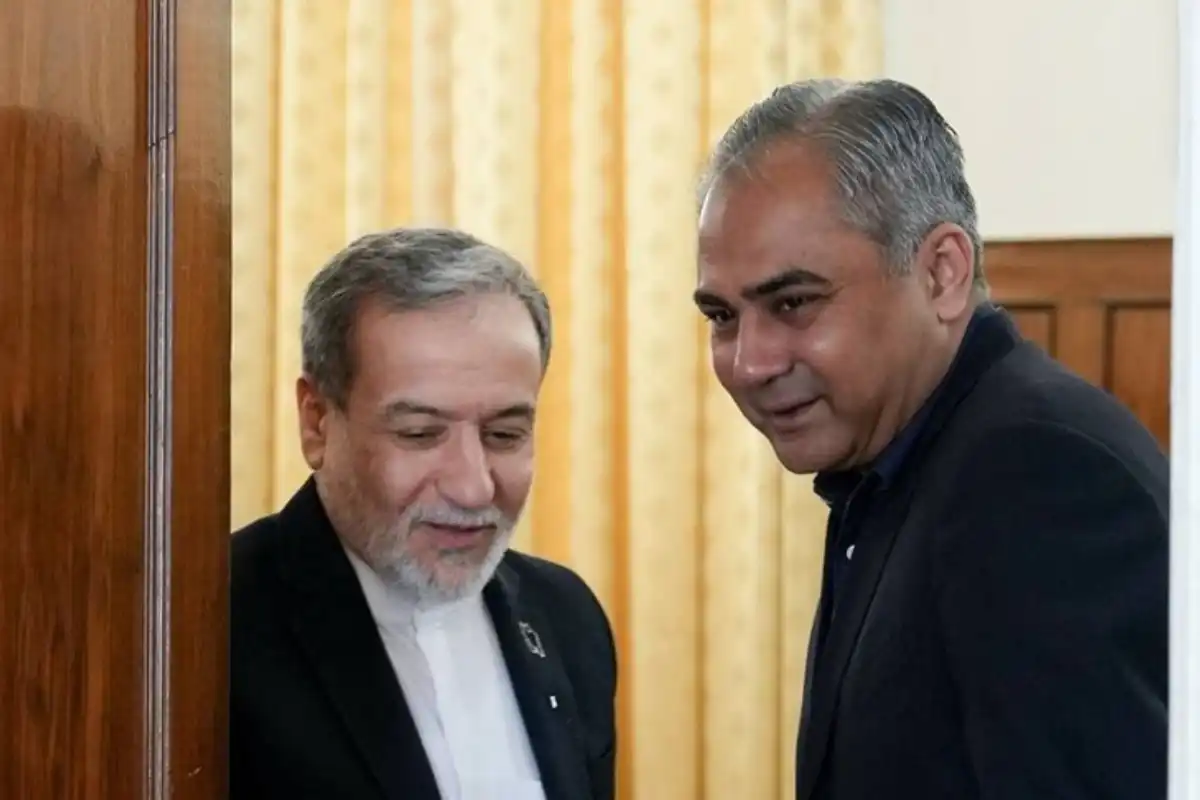
Iranian Foreign Minister Abbas Araqchi described the talks with Al Thani as “creative.”
Qatar and Pakistan helped broker the June memorandum of understanding, which resulted in a short ceasefire before disagreements over the Strait of Hormuz caused the agreement to collapse.
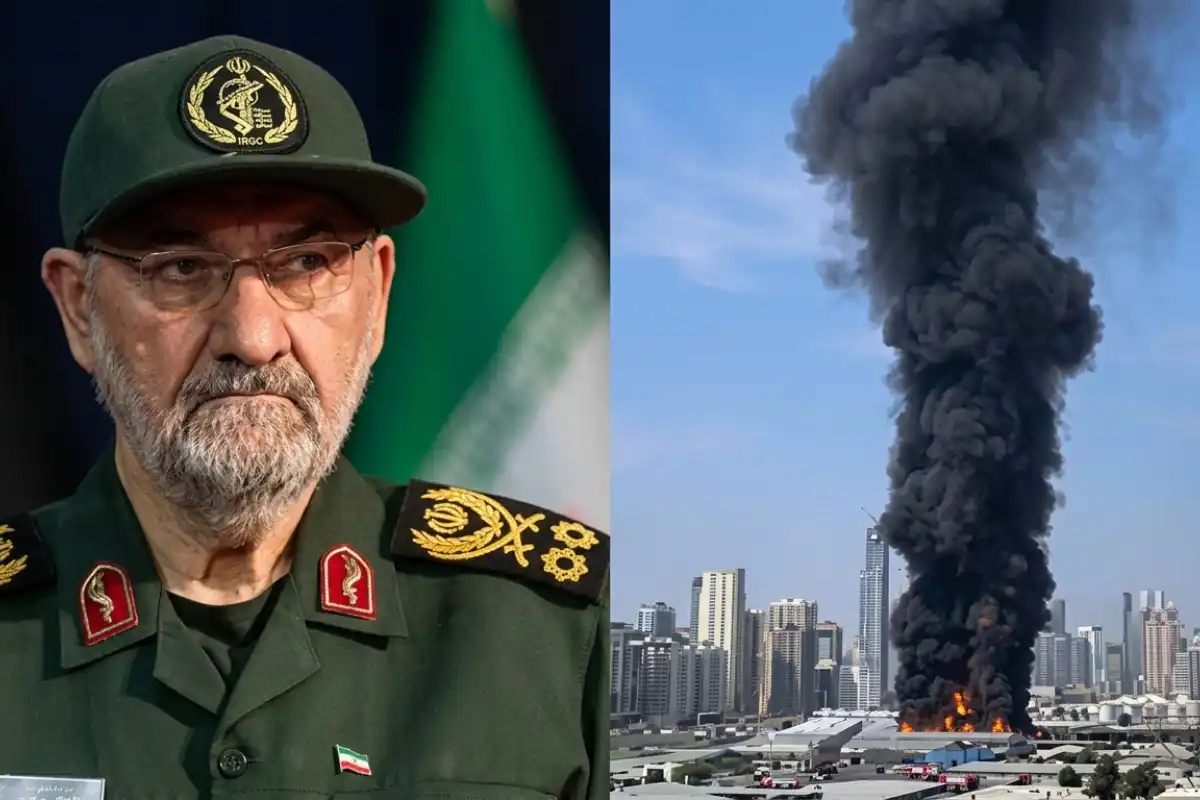
US military commanders say American forces have removed sea mines from the strait that they say were placed months earlier by Iran’s Islamic Revolution Guards Corps.
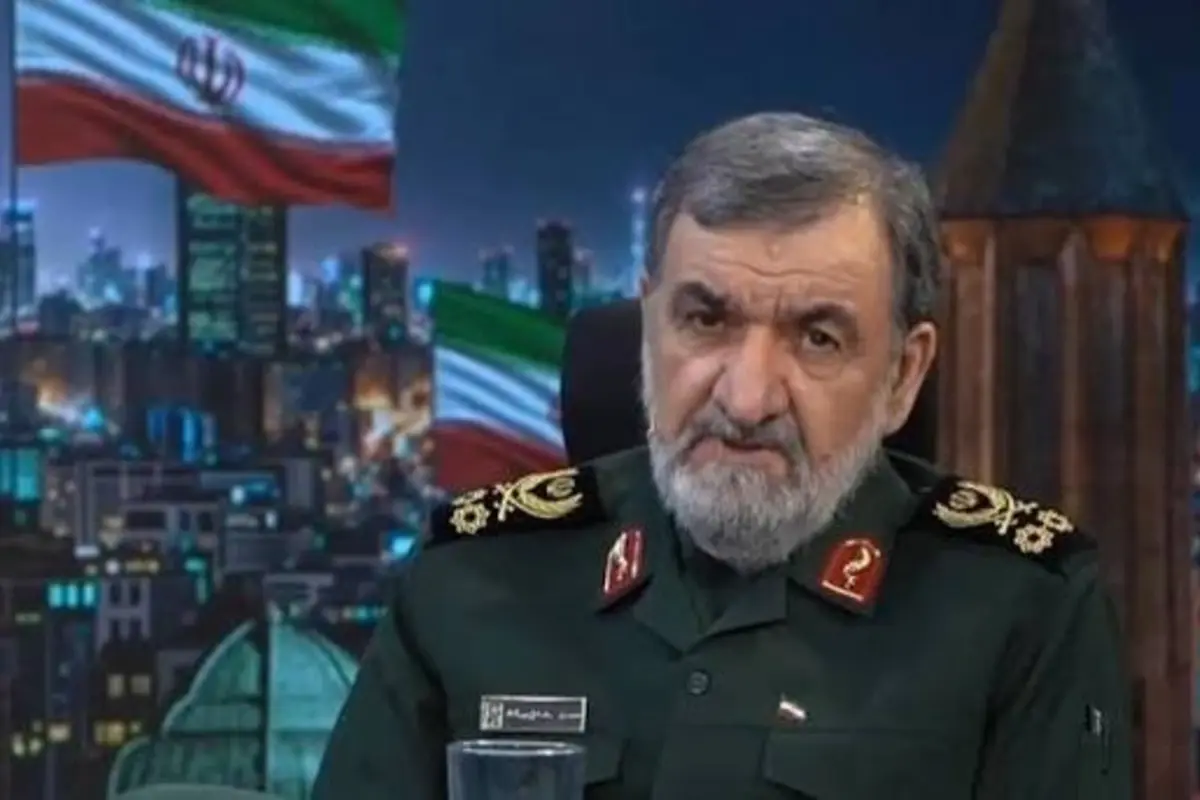
Trump has repeatedly said the strait is open. However, the IRGC Navy said such claims “are an obvious lie” and repeated that ships cannot pass through the waterway without Iranian permission.
Preliminary shipping data released on Friday showed that only seven commodity vessels passed through the Strait of Hormuz on Thursday. This was down from 17 vessels the previous day and below the 10-day average of 15.
Catch all the World News, Breaking News Event and Trending News Updates on GTV News
Join Our Whatsapp Channel GTV Whatsapp Official Channel to get the Daily News Update & Follow us on Google News.
Must Read

Pakistan
Global Oil Prices Rise 90% as Pakistan Monitors Fuel Supplies, Minister Says
20-September،2026