Iran Conflict Pushes Oil Prices Higher, Stocks Slide as Dollar Gains


Saudi oil tanker heads to Pakistan from Strait of Hormuz
Global markets reacted sharply to ongoing tensions in Iran. Investors grew worried about disruptions in oil supplies, sending crude prices above $100 per barrel while stocks fell and the US dollar strengthened.
Oil Prices Surge
Brent crude rose 2.67% to $103.14 per barrel, marking the first time it topped $100 since August 2022. WTI crude futures climbed 3.11%, closing at $98.71 per barrel.
The increase comes amid heightened attacks by Iran across the Middle East. Iran’s new Supreme Leader, Mojtaba Khamenei, vowed to keep the Strait of Hormuz shipping lane closed, a critical route for global oil exports.
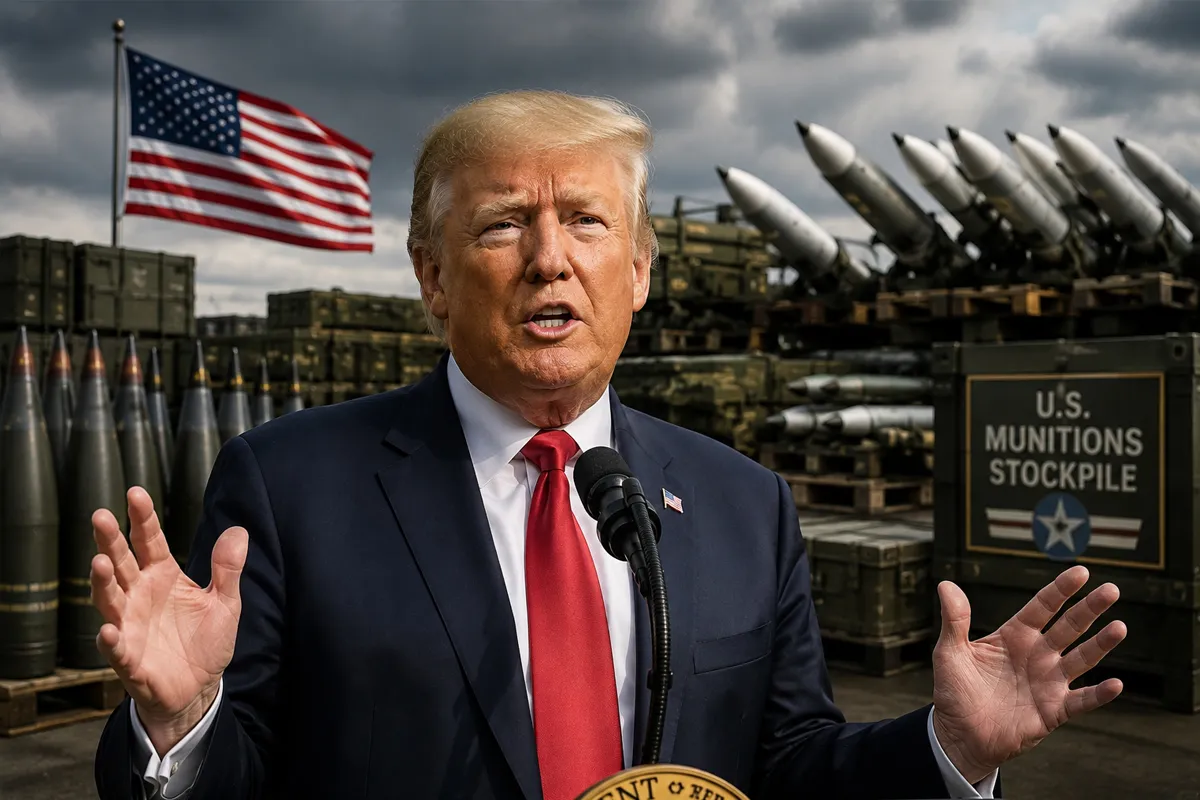
US President Donald Trump said the country would hit Iran “very hard over the next week” while issuing a partial 30-day waiver for purchases of sanctioned Russian oil to ease supply concerns.
Traders warned that the conflict could sustain higher oil prices for a prolonged period. “Headlines are coming at the market like water from a fire hose, which is impacting the price of oil, and consequently, financial markets,” said Mitch Reznick, head of fixed income at Federated Hermes.
Stocks Slide Amid Uncertainty
US stocks fell on Friday:
Dow Jones Industrial Average: down 0.25%
S&P 500: down 0.6%
Nasdaq Composite: down 0.9%
European stocks also declined, with the STOXX 600 down 0.5%. The MSCI global index fell 0.9%.
Investors are concerned about both oil supply disruptions and the risk of rising inflation, which could influence interest rate decisions by central banks.
Dollar Strengthens as Safe Haven
The US dollar gained 0.8% against a basket of major currencies, continuing its trend as a safe-haven asset amid geopolitical uncertainty.
The euro fell to $1.1417, and the Japanese yen dropped to 159.66 per dollar, the weakest since July 2024. Japan indicated readiness to act if the yen declines further, though analysts said intervention might be ineffective amid strong dollar demand.
Rising Inflation and Interest Rate Outlook
The US Personal Consumption Expenditures index rose 0.3% in January, in line with expectations. Meanwhile, US economic growth slowed in the fourth quarter due to weaker consumer spending and business investment.
Markets are now expecting only 20 basis points of Federal Reserve easing this year, down from 50 bps projected last month, reflecting the impact of higher oil prices on inflation expectations.
Two-year Treasury yields hit a six-month high, with the two-year note closing at 3.73% and 10-year notes at 4.283%.
Gold and Commodities
Gold prices fell 1.27% to $5,014 per ounce, capping a weekly decline, as investors favored the stronger US dollar and riskier assets.
Catch all the World News, Breaking News Event and Trending News Updates on GTV News
Join Our Whatsapp Channel GTV Whatsapp Official Channel to get the Daily News Update & Follow us on Google News.
Must Read

Pakistan
Funeral Prayers Held for Major Hasnain Shahzad Humayun and Captain Abdul Samad
13-October،2026