
India’s Democratic Facade Cracks: How BJP’s West Bengal Victory Exposes the Hindutva Playbook

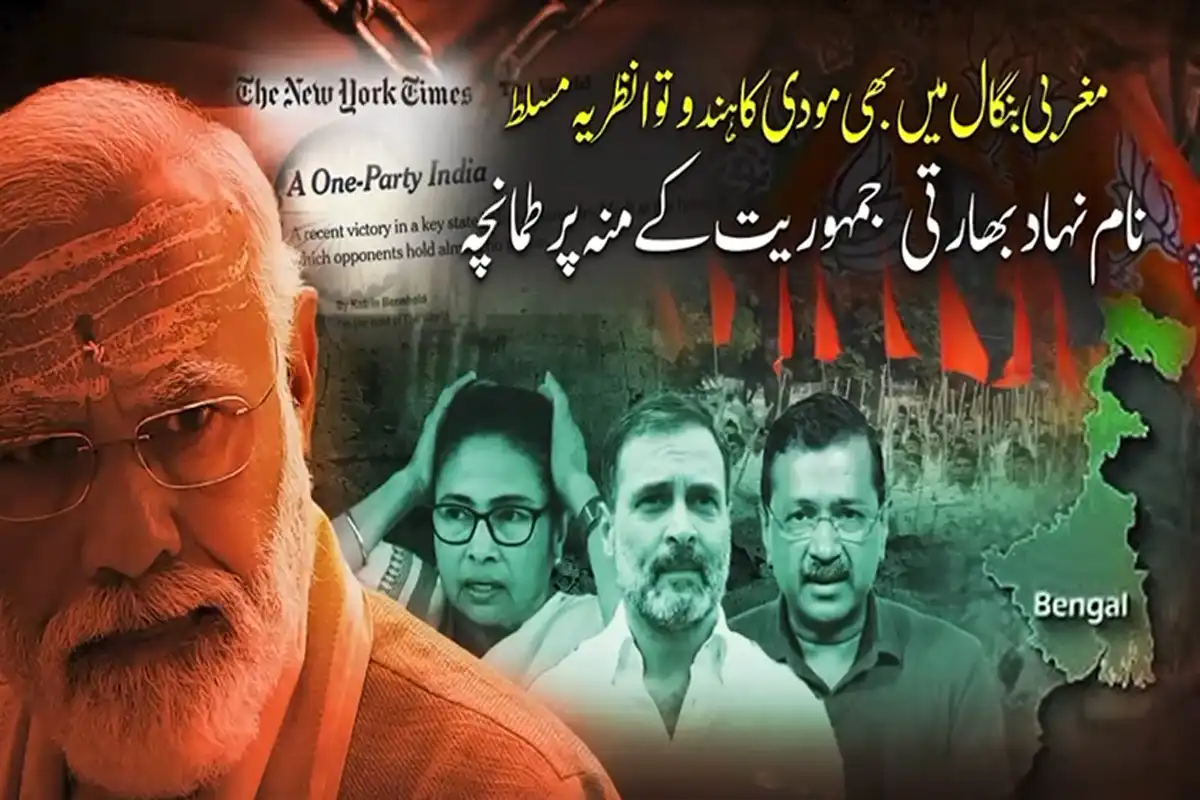
India's Democratic Facade Cracks: How BJP's West Bengal Victory Exposes the Hindutva Playbook
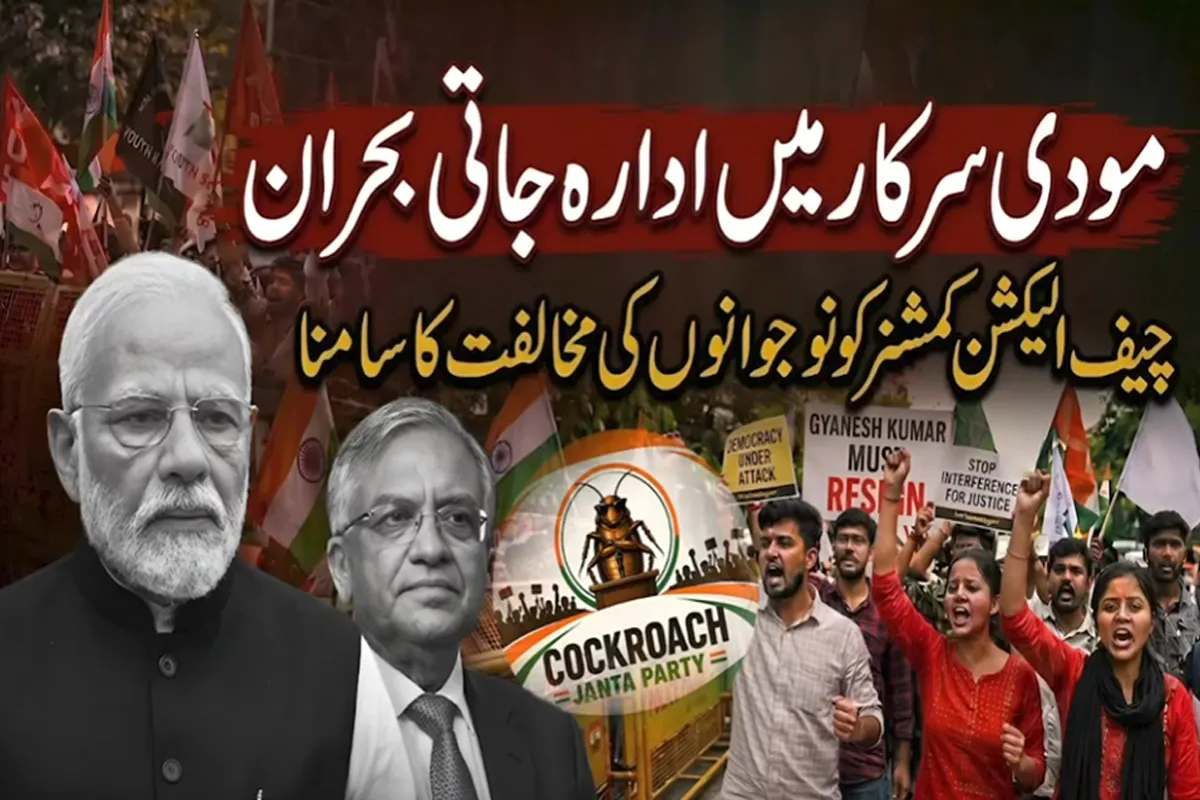
The state once considered impenetrable for Modi’s party has fallen — and the methods allegedly used to win it raise questions that go far beyond one election.
West Bengal was supposed to be different. With a 27 percent Muslim population, a deeply rooted opposition culture, and Mamata Banerjee’s Trinamool Congress holding firm for over a decade, the state represented one of the last major electoral walls standing between BJP and total dominance of Indian politics. That wall has now cracked — and the story of how it cracked matters far more than the result itself.
The Voter List Question Nobody Wants to Answer
The most damaging allegation emerging from this election is not about rally speeches or campaign financing. It is about names — specifically, whose names disappeared from voter rolls before polling day.
Reports citing the New York Times and domestic Indian observers allege that election authorities in both Bihar and West Bengal removed Muslim voter names from electoral lists at a scale that defies random administrative error. The Election Commission of India dismissed these as clerical irregularities. Opposition parties and independent monitors called it deliberate disenfranchisement.
This is not a new tactic in comparative political history. Selective voter roll purges have been documented in democracies from the United States to Hungary — always justified on procedural grounds, always disproportionately affecting minority communities, and always difficult to prosecute because intent is hard to prove when bureaucracy provides cover.
Polarization as Electoral Strategy
BJP’s campaign machinery in West Bengal leaned heavily on communal messaging — framing the election as a civilizational contest between Hindu identity and what party speakers described as “infiltrator” communities. This rhetoric has a consistent electoral logic: in a diverse Hindu-majority electorate, consolidating even 60 to 65 percent of Hindu votes behind a single party produces landslide mathematics regardless of how minorities vote.
Freedom House and the V-Dem Institute have both downgraded India’s democratic status in recent years, with V-Dem classifying it as an “electoral autocracy” — a system where votes are cast but competitive conditions are systematically undermined through media control, institutional capture, and targeted suppression.
Institutions Under Pressure
The deeper story is institutional. Opposition leaders face disproportionate scrutiny from the Enforcement Directorate and Central Bureau of Investigation. Independent journalists operate under FCRA restrictions that limit foreign funding for civil society organizations. Courts have grown slower to rule against government positions on politically sensitive matters.
The New York Times observed that India now risks becoming a de facto one-party state — a remarkable assessment from the press of India’s largest trading partner.
What Comes Next
With 2029 general elections on the horizon, India’s fragmented opposition faces a structural problem: regional parties compete with each other as much as with BJP, and no national alternative has emerged with genuine cross-state credibility.
West Bengal’s result is not just a political setback. It is a signal that the space available for democratic contestation in India is narrowing — election by election, institution by institution.
Disclaimer; This article is based on publicly available reporting, international democracy indices, and open-source electoral data.
Catch all the World News, Breaking News Event and Trending News Updates on GTV News
Join Our Whatsapp Channel GTV Whatsapp Official Channel to get the Daily News Update & Follow us on Google News.
Must Read