
Who Is Golshifteh Farahani? Iranian Actress Named in Macron Slap-Gate Book and Private Message Controversy

Who Is Golshifteh Farahani? Iranian Actress Named in Macron Slap-Gate Book and Private Message Controversy
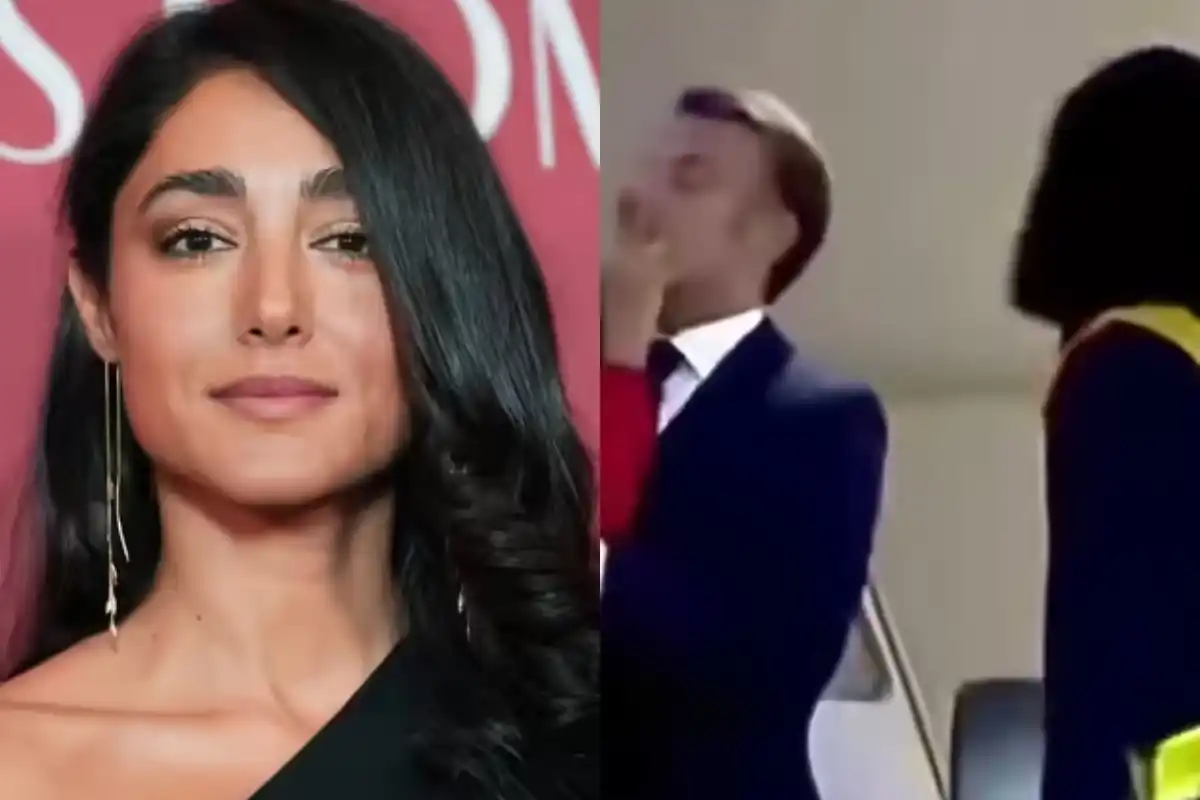
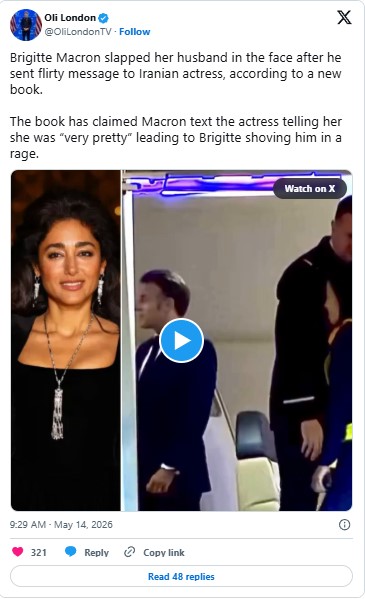
When a video circulated in May 2025 appearing to show Brigitte Macron striking her husband in the face as the couple descended from a plane in Hanoi, Vietnam, the internet treated it as a curiosity — a glimpse behind the carefully managed facade of one of Europe’s most scrutinised political marriages. A year later, a French journalist claims to know what triggered it. The answer involves a private message on Emmanuel Macron’s phone from one of international cinema’s most compelling figures — Iranian-French actress Golshifteh Farahani. Whether that explanation is accurate, provable, or simply well-timed publishing is a question worth examining carefully.
Who Golshifteh Farahani Is — and Why Her Name Carries Weight
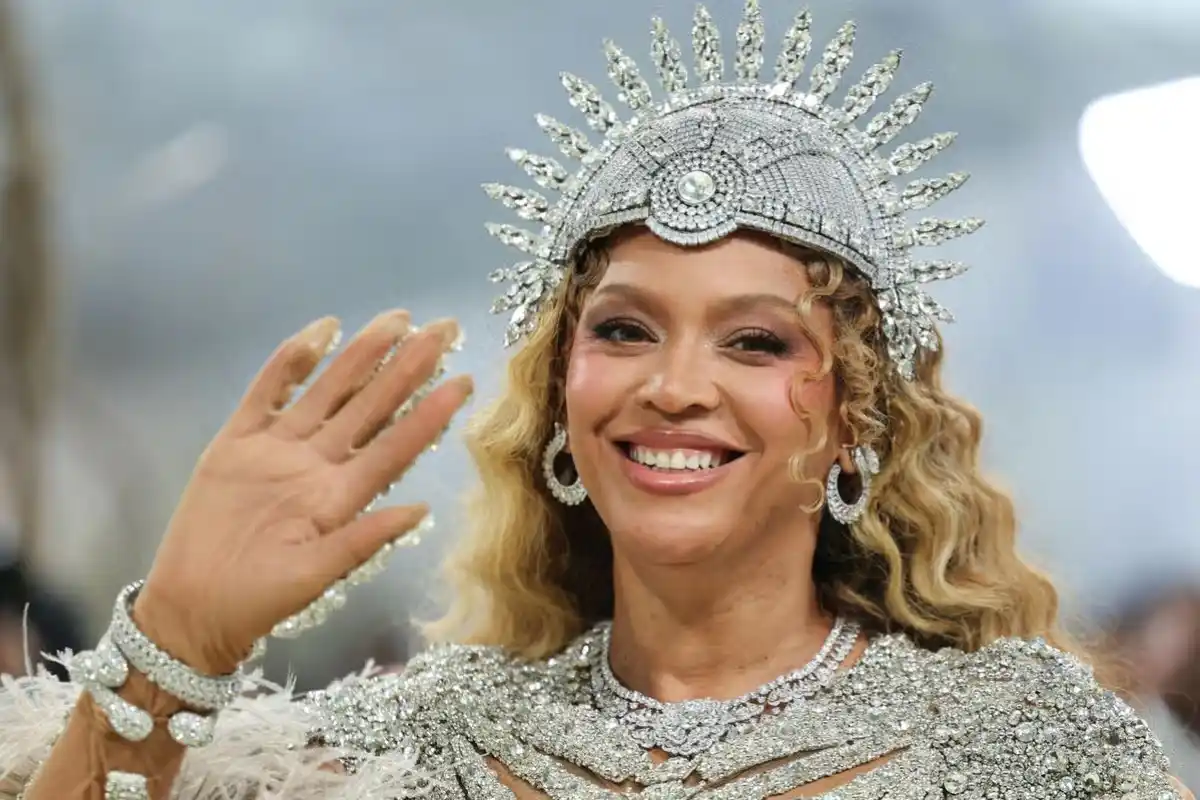
Golshifteh Farahani is not a peripheral figure in world cinema. Born in Tehran to an artistic family — her father is a prominent Iranian theatre director — she built a significant career within Iranian film before her international work created an irreconcilable conflict with the Islamic Republic’s cultural authorities. Her appearance in Ridley Scott’s Body of Lies alongside Leonardo DiCaprio in 2008 effectively made return to Iran impossible, and she subsequently settled in France, where she has lived and worked since.
Her international profile has grown substantially. She starred opposite Chris Hemsworth in Netflix’s Extraction — one of the platform’s most-watched original films globally — and appeared in Apple TV+’s Invasion. She is, by any measure, a genuinely accomplished actress whose career has been built on serious dramatic work across multiple languages and cultural contexts.
That professional biography matters because it establishes who Farahani is independent of the controversy now attaching to her name. She is not a social media figure or a tabloid personality — she is a working actress with two decades of significant film credits, now involuntarily inserted into a political narrative she did not generate and has not publicly addressed.
What the Book Claims — Florian Tardif’s Allegations
French journalist Florian Tardif’s book An (Almost) Perfect Couple positions itself as an investigation into the private dynamics of the Macron marriage — what Tardif describes as its “forbidden zones.” In promotional interviews, including an appearance on RTL radio, Tardif claimed that the Vietnam slap incident was a “couple’s scene” triggered by a specific and identifiable cause.
According to Tardif, Brigitte Macron saw a message from Farahani on Emmanuel’s phone before the Vietnam departure footage was captured. The message Tardif attributes to Macron — telling Farahani he found her very pretty — is presented as evidence of a private communication that Brigitte encountered unexpectedly.
Tardif characterises the relationship between Macron and Farahani as platonic. That framing is significant — it positions the book’s claim as an account of an emotional or admiring correspondence rather than a physical relationship, which both lowers the evidentiary threshold required to make the claim and simultaneously makes it more difficult to definitively disprove.
No documentary evidence supporting Tardif’s account has been made publicly available. Neither Macron’s office nor Farahani’s representatives have confirmed the substance of the book’s claims. The Élysée Palace has not issued a formal response to the specific allegations as of the time of writing.
Why the Vietnam Video Generated Such Sustained Attention
The Hanoi footage spread globally in May 2025 because it appeared to contradict the carefully constructed public image of the Macron marriage — a relationship that has survived decades of external scrutiny precisely because both parties have maintained a united and affectionate public front with remarkable consistency.
The Macron marriage is itself one of the most unusual in modern European political history. Brigitte Trogneux first encountered Emmanuel Macron when he was a teenage student at the Catholic school in Amiens where she taught drama. Their relationship developed across years, survived considerable social and familial opposition, and ultimately produced a marriage that has now endured through two presidential terms. The age gap — Brigitte is approximately 24 years older than Emmanuel — has made their partnership a perpetual subject of public fascination in France and internationally.
That context is what gives the Vietnam footage its particular charge. A couple whose marriage has been defined by resilience against external judgment, captured in an apparent moment of private conflict made involuntarily public, generates exactly the kind of viral tension that a book like Tardif’s is positioned to capitalise on.
The Broader Pattern: Political Marriage Books and Their Limitations
Tardif’s publication follows a well-established genre of French political journalism — the intimate biography of presidential couples that claims access to private dynamics while navigating the legal and ethical constraints of French privacy law. These books routinely make headlines during their promotional cycles and generate significant public discussion before receding as their claims either find corroboration or do not.
The specific challenge with books of this type is the gap between claim and documentation. Tardif describes what he says happened without producing the messages themselves, identifying corroborating witnesses, or providing a mechanism by which he obtained the information. That gap does not definitively make the account false — sources and methods are legitimately protected in journalism — but it does mean readers are being asked to accept a significant claim about a sitting head of state on the basis of a journalist’s assertion alone.
For Golshifteh Farahani, who has no apparent ability to control or shape how this narrative develops, the situation is particularly unfair. Her name is attached to a controversy she did not initiate, involving communications whose existence she has not confirmed, within a story that exists primarily to illuminate someone else’s marriage.
FAQ
Who is Golshifteh Farahani? An Iranian-French actress known for Extraction, Body of Lies, and Invasion, who left Iran after facing backlash over her international film career and settled in France.
What does the book claim? That Brigitte Macron saw a private message from Farahani on Emmanuel’s phone, which Tardif describes as part of a platonic relationship, potentially triggering the viral Vietnam slap incident.
Has Macron confirmed the messages? No. Neither Macron’s office nor Farahani’s representatives have publicly confirmed the book’s claims.
What was the Vietnam slap? A video from May 2025 appearing to show Brigitte Macron striking Emmanuel in the face as the couple deplaned in Hanoi, which spread widely online.
Catch all the Entertainment News, Breaking News Event and Trending News Updates on GTV News
Join Our Whatsapp Channel GTV Whatsapp Official Channel to get the Daily News Update & Follow us on Google News.
Must Read

Pakistan
Ogdc posts record rs242.37bn profit, up 42.7pc, nine new oil and gas discoveries
4-September،2026