
Pezeshkian Draws the Line; Iran Will Negotiate, But Not Surrender

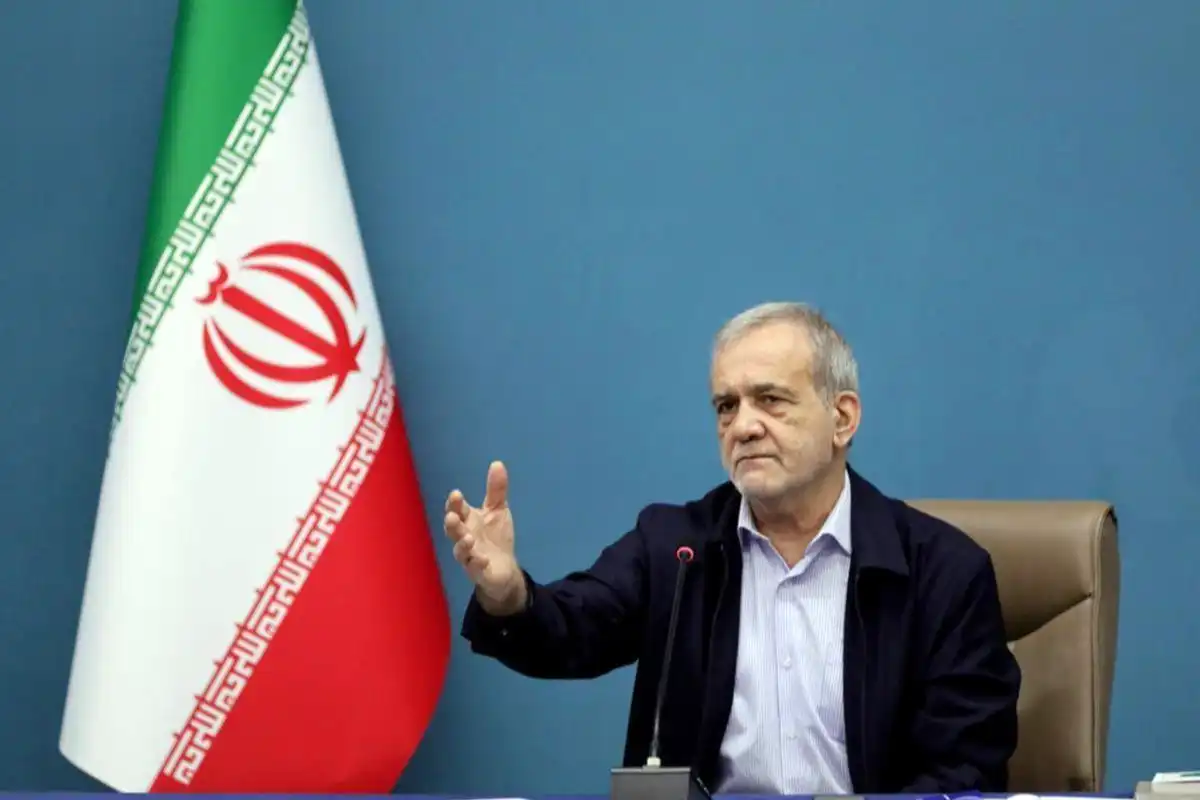
The Iranian president’s statement is directed at two audiences simultaneously — Washington and Tehran. Both need to hear different things from the same words.
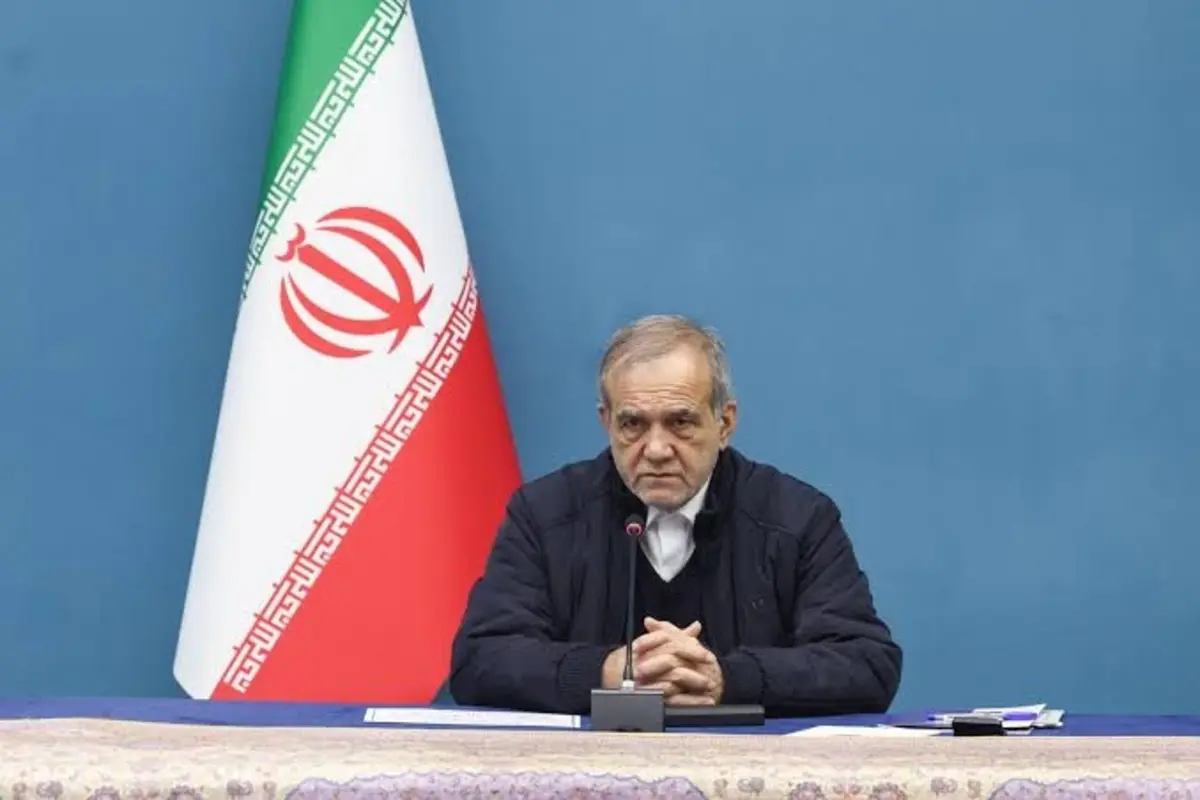
Iranian President Masoud Pezeshkian has delivered a public statement on the ongoing negotiations that serves a precise dual purpose: reassuring the Iranian domestic audience that diplomacy does not mean capitulation, while signaling to Washington the boundaries within which any agreement must fall.
“Negotiations do not mean surrendering to the enemy,” Pezeshkian said. “We will not retreat one inch from the Iranian people’s interests and the country’s legal rights.”
The statement is not bombast. It is a carefully constructed political communication from a president managing the most delicate diplomatic moment in the Islamic Republic’s recent history.
The Domestic Political Pressure Pezeshkian Is Managing
Iran’s negotiating position in the Islamabad Talks is not just a foreign policy question — it is a domestic political battlefield. Hardline factions within the Iranian system, emboldened by the military’s performance during the 40-day conflict, are arguing that Iran negotiated from strength and should not compromise on core demands. The IRGC’s public statements about missiles locked on American targets and production rates exceeding pre-war levels have given these factions visible evidence that Iran’s position is stronger than before the war began.
Pezeshkian, as president, must maintain credibility with this constituency while simultaneously pursuing the diplomatic resolution that Iran’s economy — still under naval blockade — genuinely needs. His statement that negotiations proceed “on the basis of national dignity, sovereignty, and protection of legitimate national rights” is the formulation that threads this needle: diplomacy is acceptable, but only diplomacy that does not look like defeat.
What “National Rights” Actually Means in Negotiating Terms
The phrase “legal rights” and “national rights” in Iranian diplomatic language has specific content. Iran’s publicly stated negotiating demands include: release of frozen assets, full sanctions removal, reparations for war damage, recognition of Iranian Strait of Hormuz management authority, and cessation of hostilities on all fronts including against resistance forces.
Pezeshkian’s statement that Iran will not retreat from these positions defines the floor below which no Iranian president can sign an agreement and survive politically. It is simultaneously a message to Pakistani mediators and American negotiators: the terms Iran has put on the table are not opening positions subject to major reduction. They are the minimum compatible with Iranian domestic political reality.
The Signal to Washington
Pezeshkian’s framing — that Iran presents its case to the world “with logic and reason” and will defend its interests “with full force” — communicates something specific to American negotiators: Iran believes it has both the legal argument and the military deterrent to sustain its position. The combination of Rezaei’s military warnings and Pezeshkian’s diplomatic boundary-setting represents coordinated messaging from different institutional actors delivering a unified strategic position.
Washington can have a deal. It cannot have Iranian surrender dressed as a deal.
That distinction is what the Islamabad Talks must bridge — and what Pezeshkian has just made publicly, formally, and irreversibly clear.
Disclaimer; Based on President Pezeshkian’s publicly reported statements and open-source Iranian political analysis.
Catch all the World News, Breaking News Event and Trending News Updates on GTV News
Join Our Whatsapp Channel GTV Whatsapp Official Channel to get the Daily News Update & Follow us on Google News.
Must Read
World
Iraqis Celebrate US Troop Withdrawal as Country Marks National Sovereignty Day
30-September،2026