

iPhone 17’s Israeli-Developed Chips Have Sparked a Global Privacy Panic; Here Is What Is Actually Known

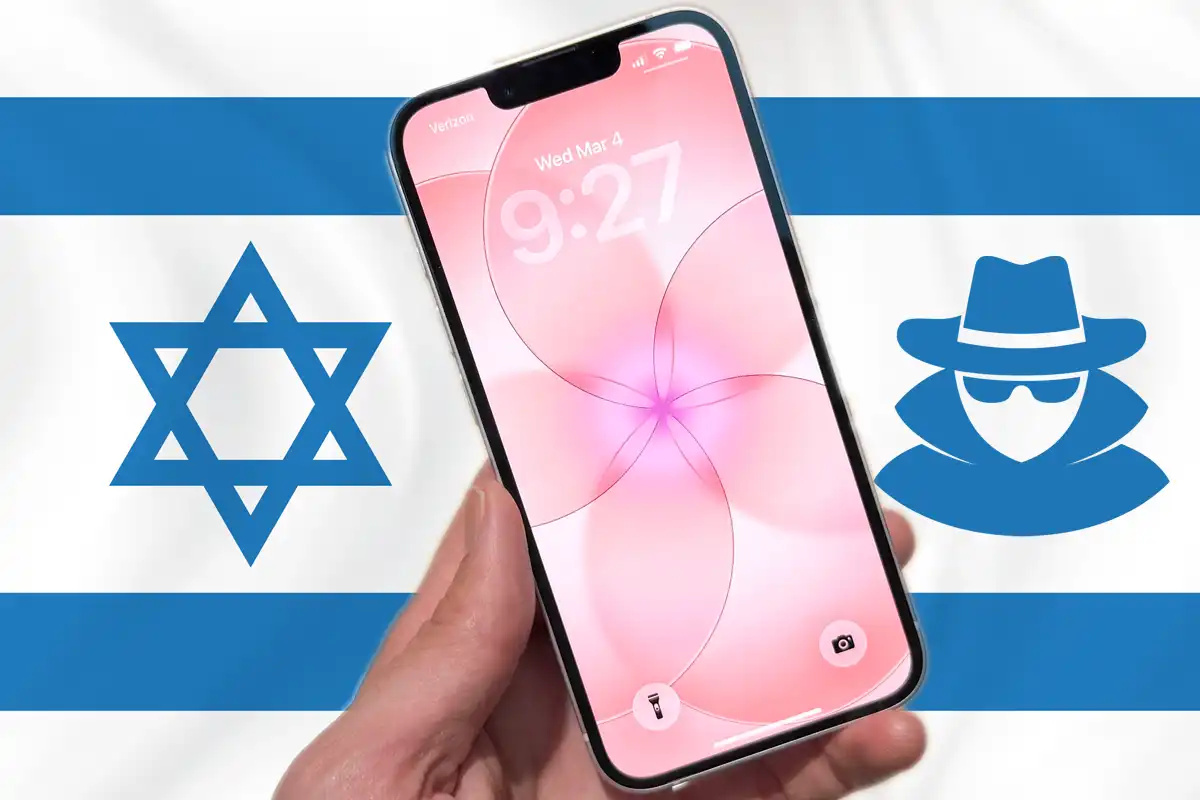
When Apple’s newest phone contains connectivity chips developed in Israel, and Israel’s surveillance technology record includes Pegasus, exploding pagers, and Unit 8200 veterans, the public’s fear is not irrational. Whether it is justified is a different question.
Apple’s iPhone 17e launched with what the company presented as its headline features: lower price point, improved battery life, and upgraded connectivity. What Apple did not lead with — but what quickly dominated social media globally — is that the phone’s two most critical networking components, the C1X modem and N1 wireless chip, were developed with significant involvement from Apple’s Israeli research and development center.
The reaction was immediate, intense, and rooted in a specific historical record that makes Israeli technology involvement in personal communications devices a genuinely sensitive subject for millions of consumers worldwide.
Why the Reaction Is Not Simply Paranoia
The pager attack context is impossible to separate from this story. In September 2024, thousands of Hezbollah members across Lebanon were simultaneously injured or killed when pagers and wireless communication devices exploded — devices that had been compromised through supply chain infiltration attributed to Israeli intelligence operations. The attack demonstrated, with lethal precision, that wireless hardware can be weaponized through manufacturing-stage modification.
When social media users ask whether their new iPhone contains chips that could “explode without warning,” they are making a darkly specific reference to a documented real-world operation. The fear is not hypothetical. It is historically grounded.
Beyond the pager attack, Israel’s NSO Group produced Pegasus — spyware that successfully compromised iPhones belonging to journalists, activists, lawyers, and heads of state across dozens of countries. The American government blacklisted NSO Group. Former NSO employees have stated that Mossad officials visited their headquarters requesting off-record phone compromise operations. This is the ecosystem within which Apple’s Israeli R&D operates, and the association is impossible to dismiss as paranoid speculation.
Apple’s Israeli Ecosystem: Deeper Than One Phone
Apple’s relationship with Israeli technology extends well beyond the C1X and N1 chips. In January 2026, Apple acquired an Israeli startup for approximately $2 billion — a company whose technology reads micro-muscle movements in the human face to detect whispered speech, emotional states, heart rate variations, and unspoken words. The company’s founders include veterans of Israeli military Unit 8200 and Unit 81 — Israel’s elite signals intelligence and technology units, whose alumni populate the Israeli cybersecurity and surveillance industry.
Unit 8200 veterans founded or led companies including Check Point, CyberArk, and numerous others that Apple, Google, and Microsoft have acquired. The unit functions as Israel’s NSA equivalent, with a specific mandate around mass surveillance technology development. When Apple acquires companies built by Unit 8200 alumni, it acquires technology developed within that intelligence culture.
What Is Actually Known vs. What Is Feared
The documented facts: Apple’s Israeli R&D center contributed to the C1X modem and N1 wireless chip development. Apple has acquired multiple Israeli companies founded by military intelligence veterans. Israel has demonstrated supply chain hardware compromise capability at operational scale.
What is not established: any evidence that the C1X or N1 chips contain backdoors, surveillance functions, or unauthorized data collection capabilities. Apple’s hardware undergoes independent security research by thousands of analysts globally. No researcher has published findings of Israeli-origin backdoors in Apple silicon.
The gap between what is known and what is feared is real — but the fear’s foundation is not fabricated. It is built on a documented record of Israeli intelligence capability and Apple’s deepening Israeli technology dependency.
Consumer anxiety about the iPhone 17e’s Israeli-developed chips will not be resolved by Apple press releases. It will be resolved — or not — by independent hardware security research that either finds evidence of compromise or definitively does not.
Until that research is conducted and published, millions of consumers are making a rational risk calculation based on available evidence. The pager attack happened. Pegasus was real. Unit 8200 alumni built the companies Apple is buying.
The fear is not irrational. The evidence for the specific fear is not yet proven. Both things are true simultaneously.
Disclaimer; Based on publicly available technology reporting and open-source Israeli defense industry analysis. No verified evidence of surveillance backdoors in iPhone 17e chips has been published at time of writing.
Catch all the World News, Breaking News Event and Trending News Updates on GTV News
Join Our Whatsapp Channel GTV Whatsapp Official Channel to get the Daily News Update & Follow us on Google News.
Must Read