
How Iran Built a Sanctions-Proof Food System & Why the Pentagon Should Be Studying It

Food has always been a weapon of war. But Iran just demonstrated that it can also be a weapon of resistance — and its model is more sophisticated than Western policymakers expected.
The Blockade That Did Not Break Iran’s Bread Supply
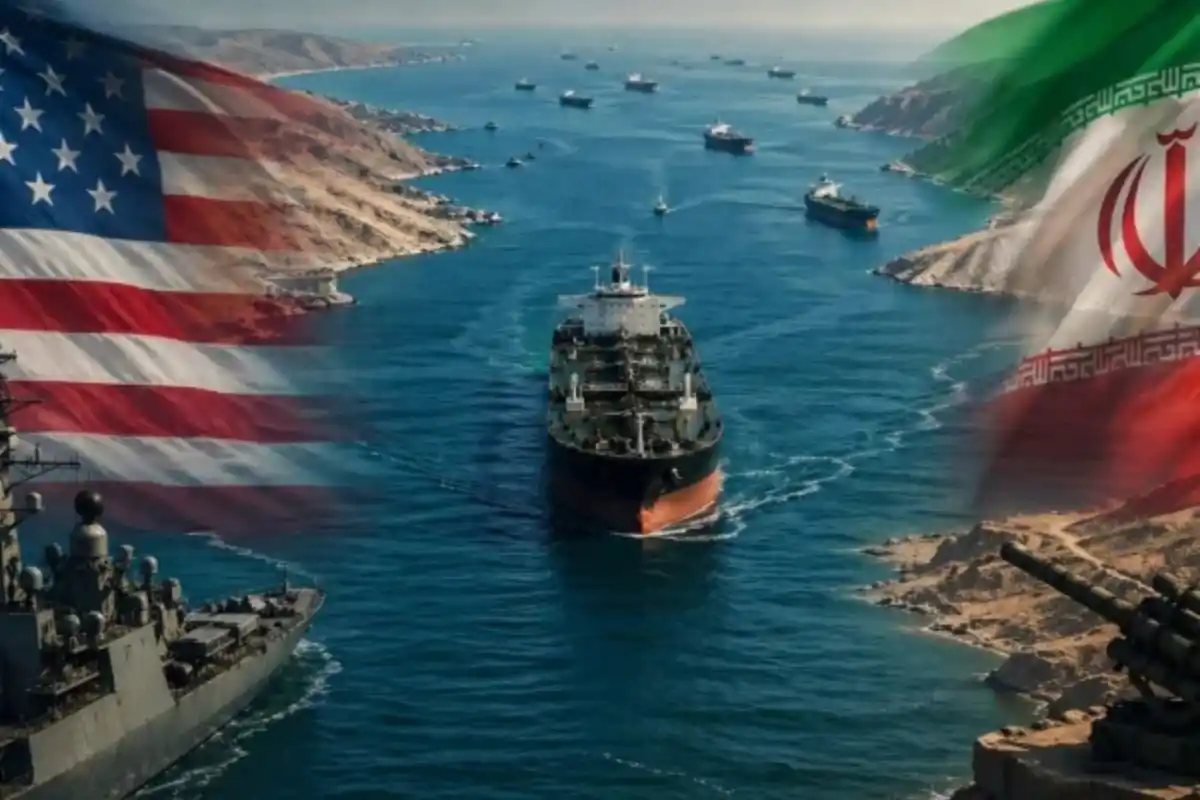
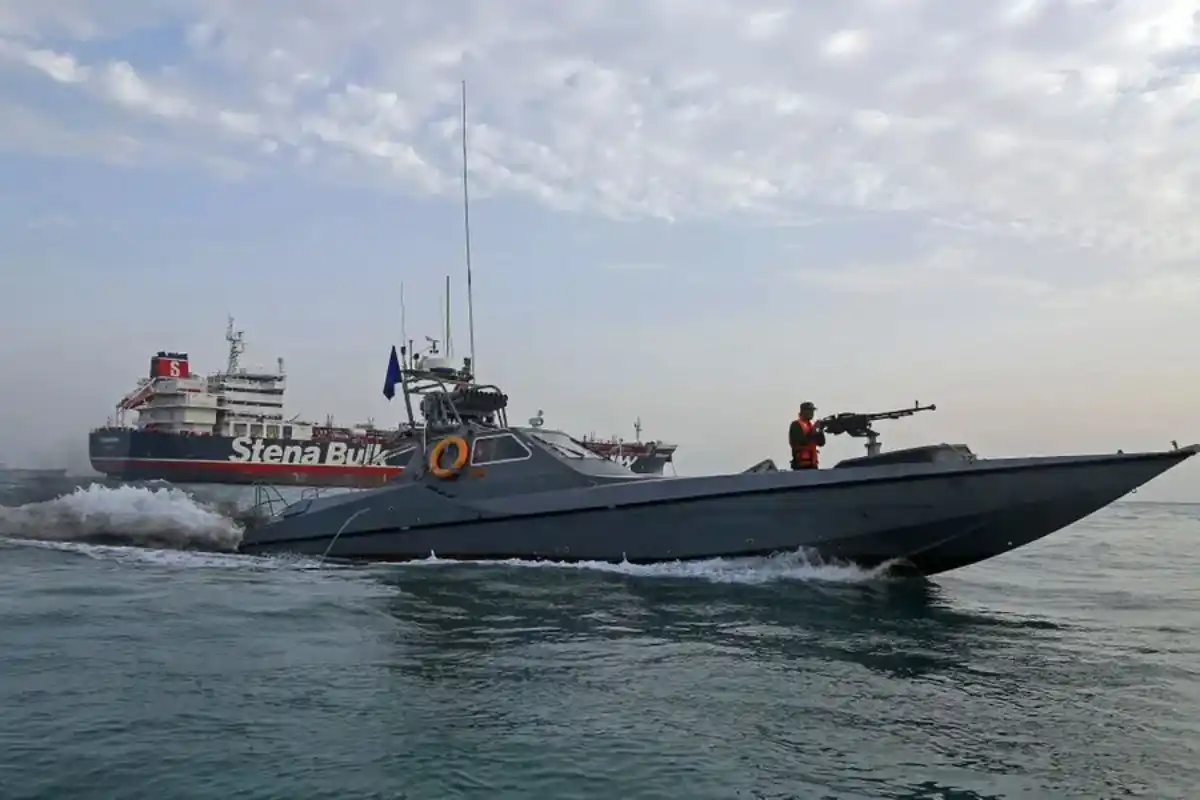
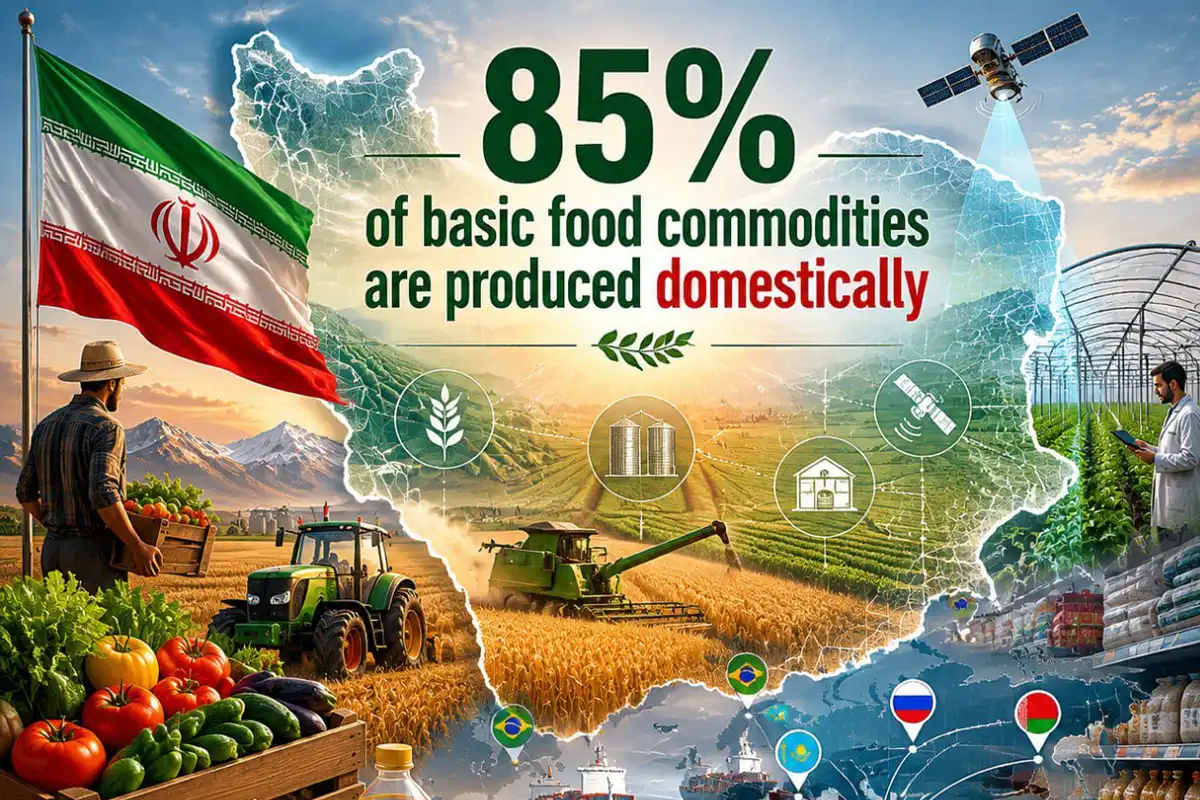
Despite sustained American naval pressure, sweeping economic sanctions, and deliberate attempts to choke import corridors, Iran’s Agriculture Minister Gholamreza Nouri confirmed that the country now meets 85 percent of its basic food requirements through domestic production alone. Supermarket shelves did not empty. Bread lines did not form. Even during the most acute phases of the blockade, bakeries continued operating because Tehran had pre-positioned ground wheat stocks and secured alternative fuel supplies before the pressure peaked.
That level of preparation does not happen accidentally. It reflects years of deliberate institutional planning specifically designed around the assumption that external supply chains would eventually fail.
Beyond Borders: Iran’s Offshore Agriculture Strategy
What separates Iran’s food security doctrine from simple import substitution is its overseas dimension. Under an active five-year plan, Tehran has set a target of farming approximately two million hectares of land outside its borders. By 2031, the goal is to produce around ten million tons of food through transnational agriculture — effectively eliminating residual dependency on global commodity markets.
This is already operational, not theoretical. Iran is sourcing corn from Brazil, barley and oilseeds from Kazakhstan, and running active agricultural projects in Belarus, Russia, Ghana, Armenia, and Pakistan. In recent months alone, roughly 60,000 tons of barley and 40,000 tons of cooking oil reached Iran via the northern corridor — a supply route deliberately developed to bypass Gulf chokepoints entirely.
The strategic implication is significant: maritime pressure through the Strait of Hormuz can no longer serve as a reliable lever for food coercion against Iran.
Technology as Agricultural Defense
Iran has also integrated AI-driven satellite monitoring into its agricultural infrastructure through a technical partnership with the UN Food and Agriculture Organization. The system tracks crop conditions, yield projections, and potential shortfalls in real time, feeding directly into policy decisions before shortages materialize. This shifts food governance from reactive crisis management to predictive supply control — a meaningful operational advantage during periods of external disruption.
Food as a Foreign Exchange Earner
Perhaps the most underreported development is the economic reversal now underway. Agricultural exports now account for 12 percent of Iran’s non-oil foreign exchange earnings — meaning food has transitioned from a strategic vulnerability into a revenue-generating asset. For a sanctions-pressured economy perpetually short of hard currency, that shift carries real macroeconomic weight.
The Broader Lesson
Iran’s model — combining domestic production expansion, strategic reserves, offshore farming rights, diversified supply corridors, and precision agricultural technology — represents a replicable blueprint for any nation seeking resilience against economic coercion.
Washington designed its pressure campaign to create food insecurity as political leverage. Iran responded by systematically engineering that leverage out of existence. The blockade failed not because Iran got lucky, but because Tehran had spent years preparing for exactly this scenario.
That preparation is now the most important thing about this story.
Catch all the World News, Breaking News Event and Trending News Updates on GTV News
Join Our Whatsapp Channel GTV Whatsapp Official Channel to get the Daily News Update & Follow us on Google News.
Must Read