Araghchi Interview: Iran Claims Credit for Stopping Beirut Strike, Reveals Pakistan’s Role in Ceasefire

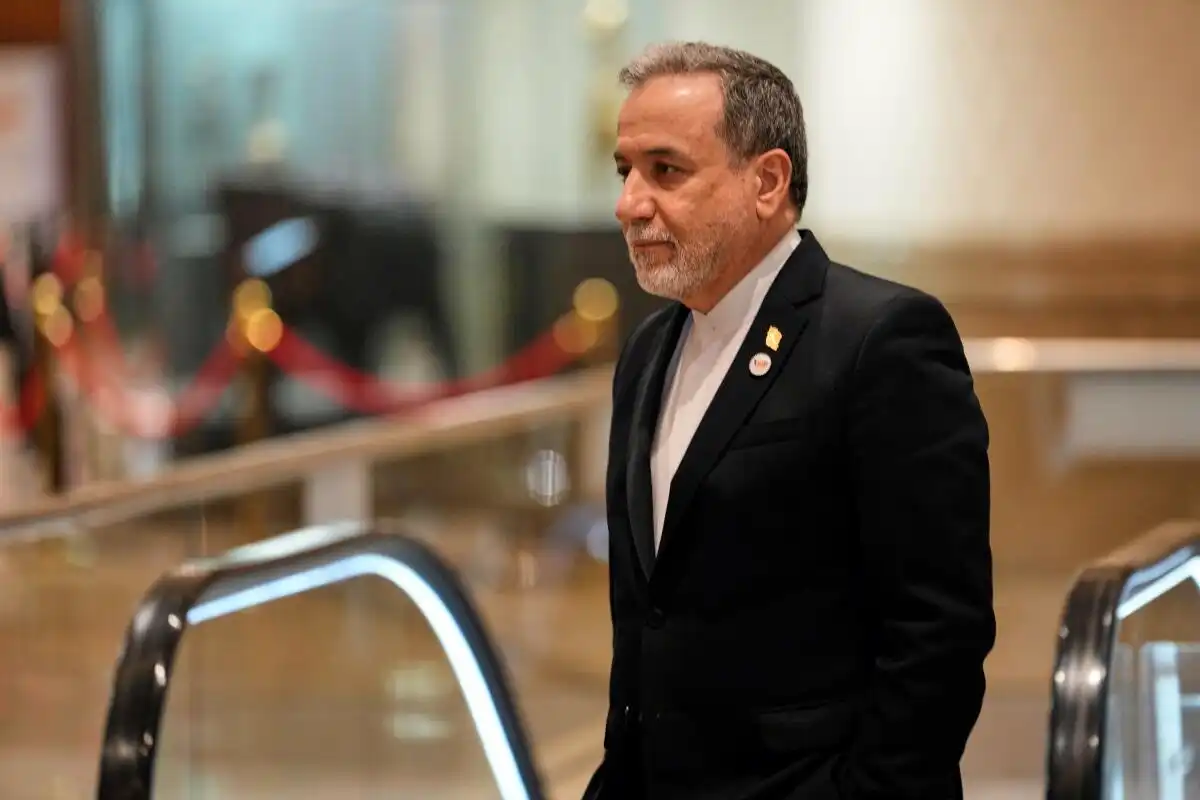
The Iranian foreign minister has given his most detailed public account of the conflict’s diplomatic endgame — and his version differs sharply from Washington’s.
Iranian Foreign Minister Abbas Araghchi has delivered a comprehensive interview outlining Tehran’s position on the ceasefire, the Lebanon linkage, and what he says actually stopped Israel’s anticipated major strike on Beirut. The statements carry significant diplomatic weight — and directly challenge the narrative that American pressure alone shaped the conflict’s trajectory.
The Lebanon Linkage: Iran’s Non-Negotiable from Day One
Araghchi stated that Iran communicated its position on Lebanon from the opening days of the conflict: any cessation of hostilities must cover all resistance fronts simultaneously, including Lebanon. The two theaters, in Tehran’s framework, are operationally and politically inseparable.
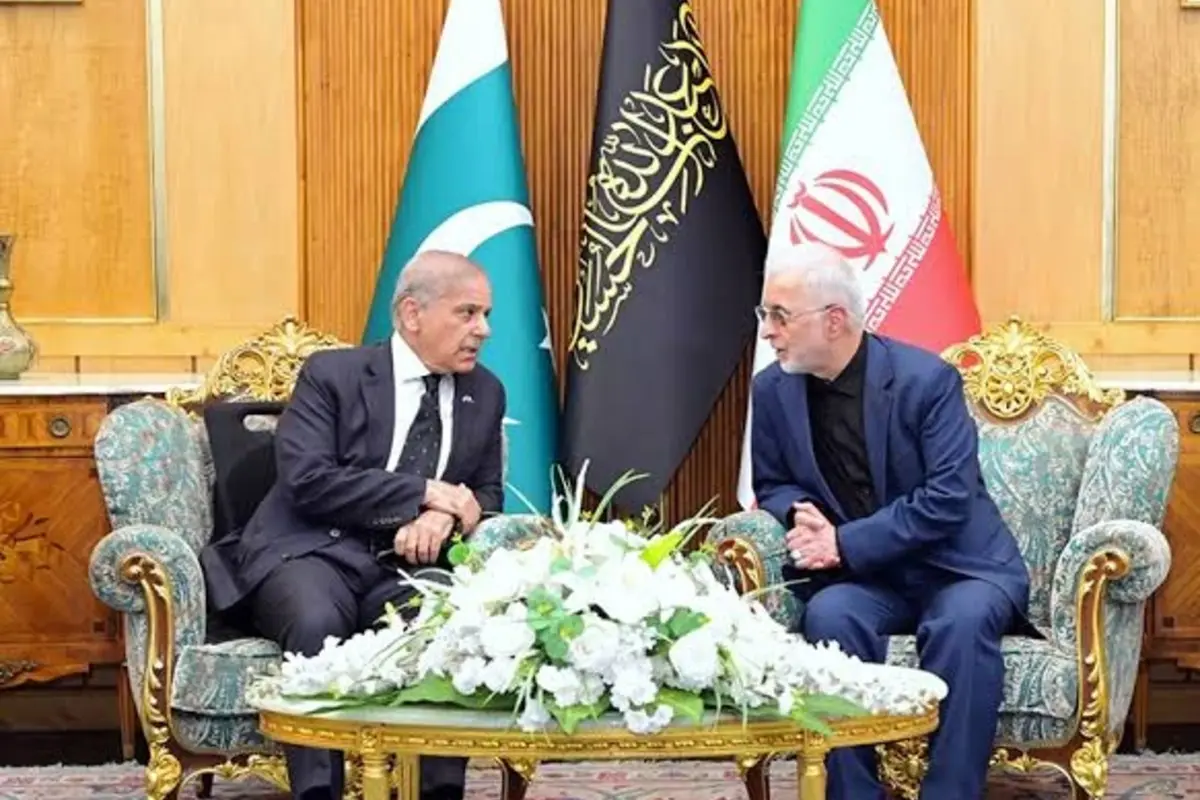
He revealed that during ceasefire negotiations, he personally contacted Pakistani Prime Minister Shehbaz Sharif and specifically requested that Lebanon be explicitly named in any ceasefire text. Araghchi confirmed that Pakistan’s diplomatic intervention ensured Lebanon’s inclusion — a detail that elevates Islamabad’s behind-the-scenes role considerably beyond what has been publicly acknowledged.
What Actually Stopped the Beirut Strike
Araghchi directly challenged the dominant Western narrative attributing the halt of Israel’s planned Beirut offensive to President Trump’s intervention. He stated the strike was deterred not by American diplomatic pressure but by Iran’s military capability and a direct warning to Washington: any attack on Beirut would trigger a severe Iranian military response.
This is a fundamentally different account of the same event. If accurate, it means the ceasefire was produced by mutual military deterrence rather than American diplomatic leverage — a distinction with major implications for how future negotiations are framed and which party holds genuine leverage.
Iran’s Assessment of the Conflict Outcome
Araghchi offered Tehran’s reading of the war’s result with unusual candor. He argued that the US and Israel entered the conflict expecting rapid success — regime change in Tehran, destruction of Iran’s missile capability, swift military dominance. None of those objectives were achieved.
Instead, he said, the conflict ended on terms reflecting Washington’s desire to negotiate — which Iran interprets as evidence that military pressure failed to deliver its intended outcomes. Iran retains its political system, has rebuilt significant military infrastructure as satellite imagery confirmed, and maintains 70 percent of its pre-war military capability according to CIA assessments.
The Warning: War Can Return
Araghchi did not frame the current ceasefire as a durable peace. He explicitly warned that without rational decision-making from all parties, conflict could resume — and that Iran is now better prepared and stronger for a prolonged war than it was before hostilities began.
This warning functions simultaneously as deterrence messaging and negotiating pressure, signaling that Iran approaches the upcoming comprehensive agreement talks from a position of perceived strength rather than exhaustion.
Hezbollah: A Permanent Feature, Not a Removable Variable
On Hezbollah specifically, Araghchi was unambiguous. He described the organization as an integral part of Lebanon’s political and social fabric that cannot be eliminated — directly pushing back against ceasefire conditions requiring non-state actor withdrawal from southern Lebanon. The Israeli-Lebanon ceasefire framework demands exactly that withdrawal. Iran’s foreign minister says it cannot happen.
That contradiction sits at the heart of the June 22 comprehensive agreement talks.
The Nasrallah Question
Araghchi addressed the assassination of Hezbollah Secretary-General Hassan Nasrallah — describing it as a significant tragedy while arguing it strengthened rather than weakened the organization. He characterized the killing as a war crime attributable to the US and Israel and stated Iran would hold those responsible accountable. He praised current Hezbollah leader Sheikh Naim Qassem’s leadership continuity.
What This Interview Actually Reveals
Araghchi’s statements collectively present a coherent Iranian strategic narrative: that Tehran entered negotiations from a position of military resilience, that its diplomatic demands were met on Lebanon, that Pakistan played a meaningful facilitation role, and that the conflict’s outcome validated Iran’s resistance strategy rather than undermining it.
Whether that narrative is fully accurate matters less, at this stage, than the fact that Iran’s negotiating team believes it — because that belief shapes every position Tehran brings to the June 22 table.
Catch all the World News, Breaking News Event and Trending News Updates on GTV News
Join Our Whatsapp Channel GTV Whatsapp Official Channel to get the Daily News Update & Follow us on Google News.
Must Read