Inside Iran-US Breakthrough; Key points from the first round of Iran-US talks

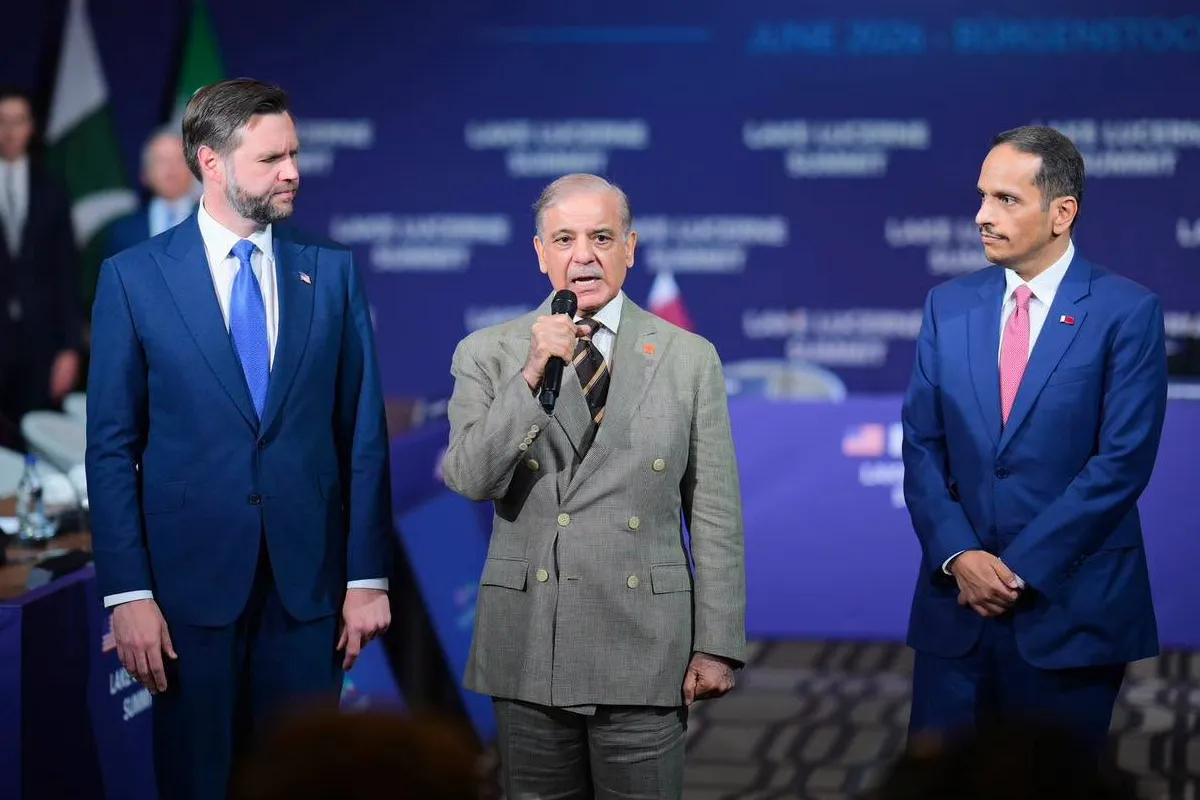
The Burgenstock agreement represents genuine diplomatic progress precisely because it’s modest and operational rather than transformative. Iran and the US didn’t resolve their fundamental conflict; they established procedural machinery to manage it. That distinction matters enormously, and it explains why Switzerland talks succeeded where months of failed negotiations previously collapsed.
The 60-day roadmap commitment signals mutual recognition that indefinite talks exhaust both parties. Artificial timelines create political cover for compromises neither side wants examined closely. By constraining negotiations to two months, Tehran and Washington create internal pressure toward agreement while preserving deniability: “We were forced to accept unfavorable terms by the timeline.” This psychological device has enabled every successful hostage negotiation and arms control agreement since 1970s detente.
But the real breakthrough lies in technical specificity. Lebanon’s de-confliction cell operationalizes conflict termination rather than merely declaring it. Hezbollah firing rockets into Israel or Israeli strikes on Lebanese targets now trigger automatic escalation protocols with direct Tehran-Washington communication. This removes the ambiguity that previously enabled proxy conflicts to spiral. When miscommunication or deliberate provocation occurs—and it will—there’s now pre-agreed machinery to prevent misinterpretation from triggering full-scale war.
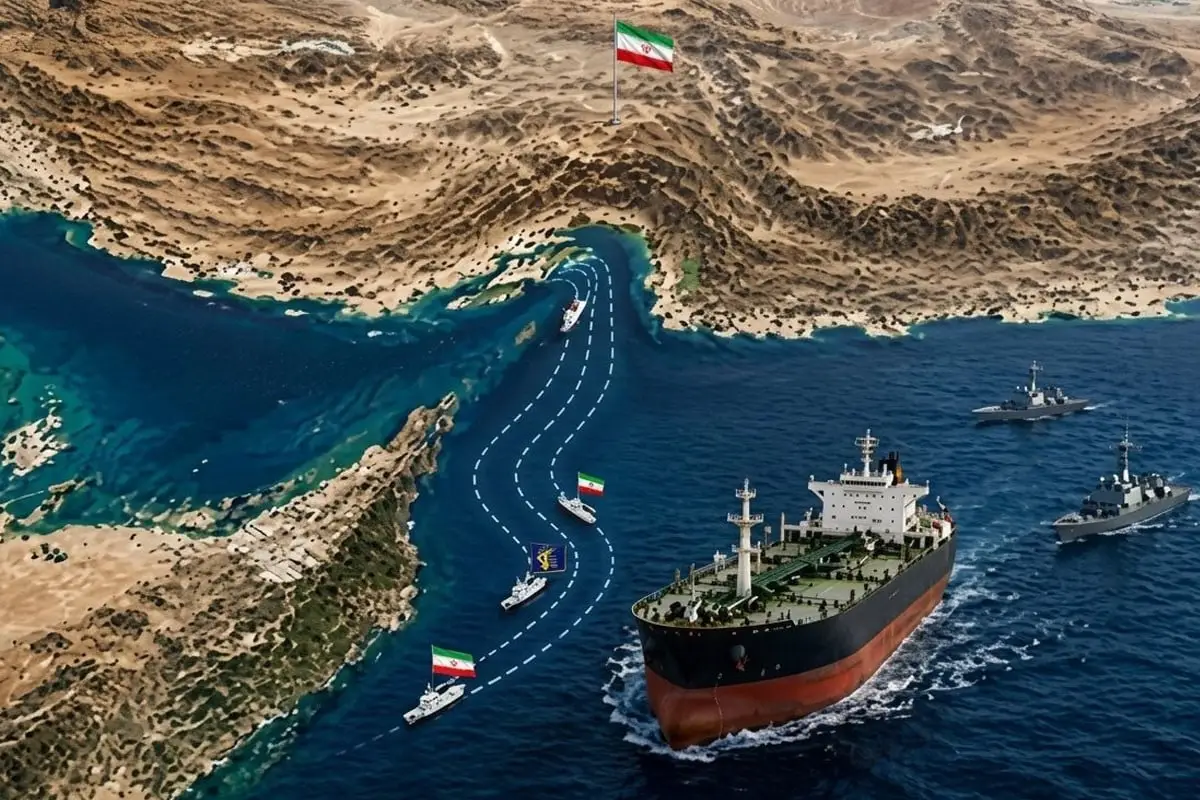
The Strait of Hormuz communication line functions differently. It’s not conflict prevention but economic stabilization. Commercial vessel safety through the world’s most critical oil chokepoint depends on predictable behavior from both parties. Iran’s periodic threat to close the strait reflects domestic political theater more than operational intent—closure would devastate Iran’s own oil exports. The communication line formalizes what both sides incrementally learned: mutual economic interest in stable shipping transcends political hostility.
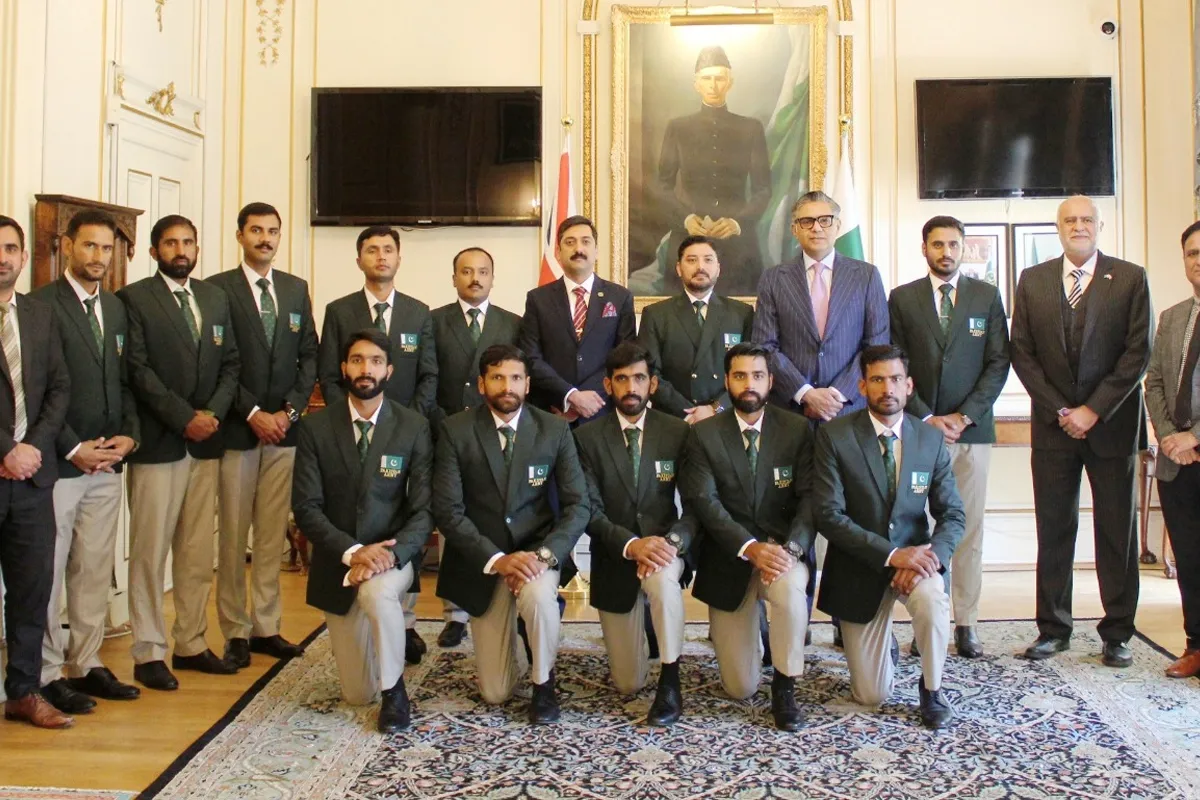
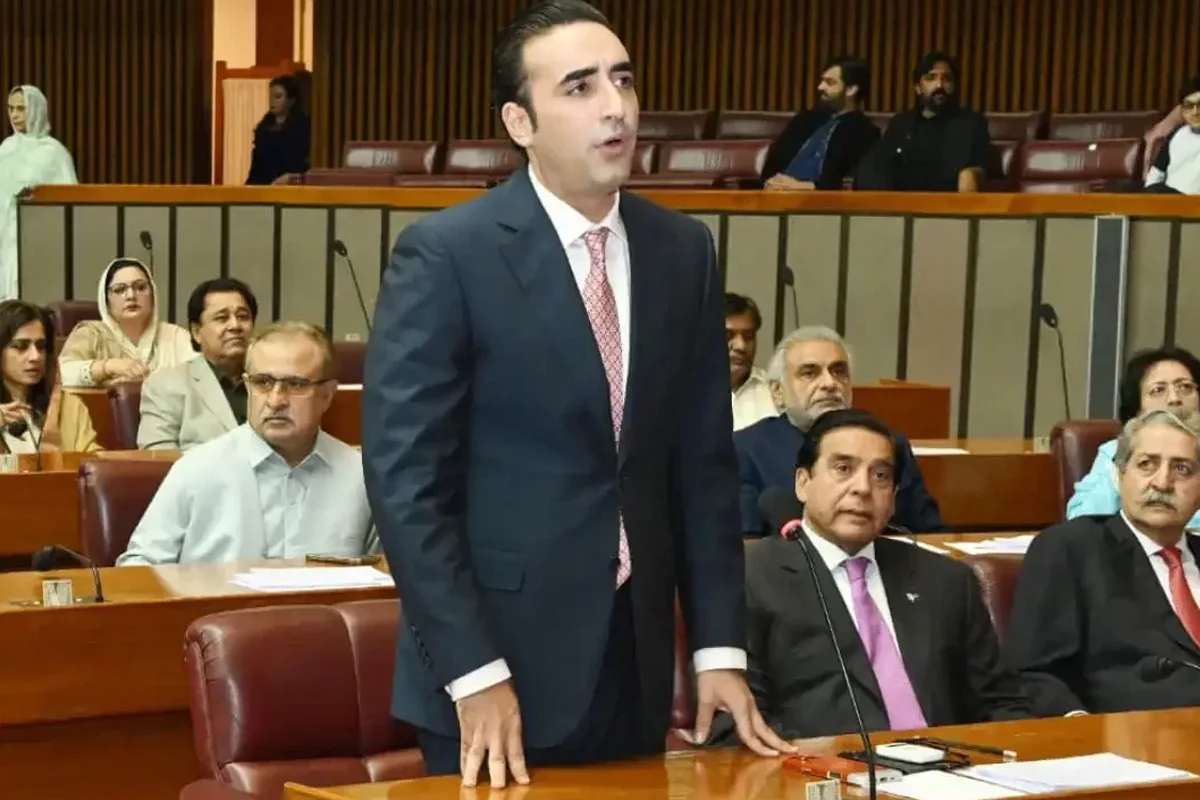
Pakistan and Qatar’s mediator prominence reveals something crucial about current great-power dynamics. Neither superpower could negotiate directly without domestic political costs. Pakistan and Qatar provide face-saving intermediaries while maintaining genuine leverage over both parties through regional relationships and geopolitical positioning. Qatar hosts American military bases while maintaining energy partnerships with Iran. Pakistan balances US security relationships with Iranian border concerns. Their dual credibility made them invaluable where traditional American or Iranian intermediaries would lack legitimacy.
The asset unfreezing claims warrant skepticism. Iran’s Foreign Minister Araghchi announced asset releases not included in the official Qatar-Pakistan statement—suggesting either miscommunication or deliberate ambiguity. The memorandum of understanding commits the US to unfreezing assets, but implementation details remain opaque. Will frozen assets be released incrementally as performance benchmarks are met, or as immediate confidence-building measures? The gap between announcement and execution has destroyed previous Iran deals.
What’s notably absent: White House comment. American silence suggests internal disagreement about concession levels or concern about Republican congressional opposition. That reticence signals the deal remains politically fragile domestically, even if operationally sound internationally.
The 60-day window contains multiple failure points. Lebanon’s de-confliction cell breaks down if Israeli operations resume aggressively or Hezbollah resumes attacks. Asset unfreezing stalls if Congress intervenes. Technical talks falter if either party interprets compromise as capitulation. Each failure triggers blame cycles and renewed escalation.
Yet for the first time since March’s Iranian strikes, both parties constructed machinery acknowledging mutual vulnerability. That’s not peace. It’s managed coexistence. For the Middle East, that’s revolutionary progress.
Catch all the World News, Breaking News Event and Trending News Updates on GTV News
Join Our Whatsapp Channel GTV Whatsapp Official Channel to get the Daily News Update & Follow us on Google News.
Must Read