
Iran Files UN Complaint Over Israeli Threats Against Supreme Leader, Cites State Terrorism

Iran Warns It Will Not Be Bound by MoU if US Violations Continue
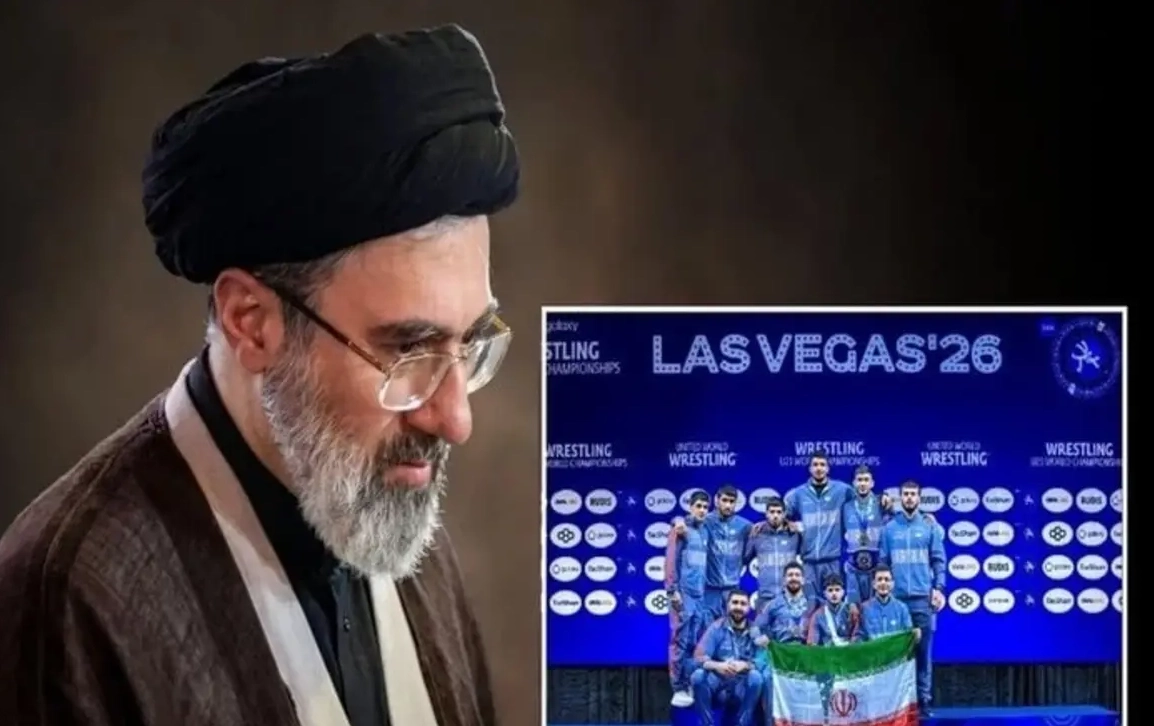
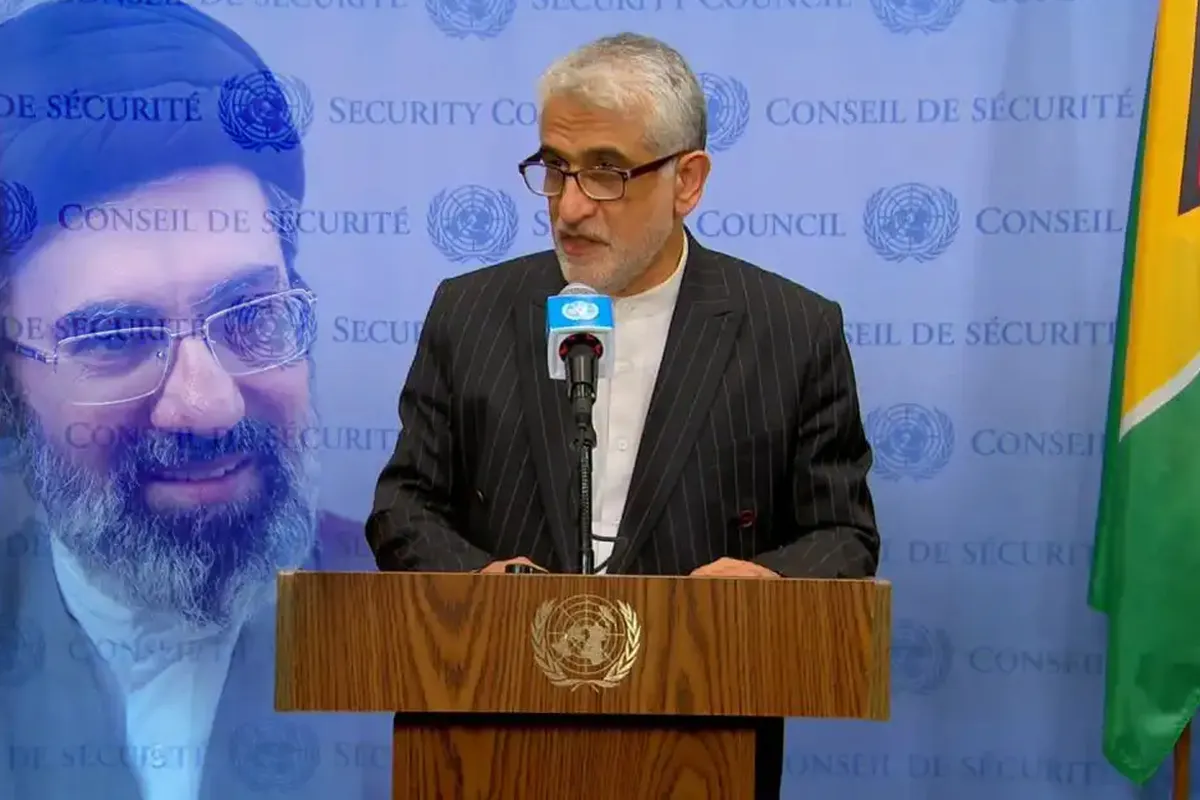
Iran’s Permanent UN Representative Amir Saeid Iravani filed formal complaint with the Security Council regarding Israeli War Minister Israel Katz’s public threats to assassinate Iran’s Supreme Leader Mojtaba Khamenei.
The complaint reframes Israeli threats from military rhetoric into alleged state-sponsored terrorism, invoking international legal frameworks protecting government leadership from extrajudicial targeting.
Iravani’s complaint, presented during Security Council discussions on Middle East political resolution, characterized Katz’s public statements as “systematic and deliberate policy of state terrorism” rather than isolated rhetoric. This framing carries legal significance: threats against foreign state leaders constitute potential violations of international law prohibiting assassination attempts and extrajudicial killing—prohibitions binding on Security Council permanent members.
The Israeli Minister’s public statement that Iran’s Supreme Leader appeared on a “hit list” represents unprecedented institutional acknowledgment of assassination targeting. Previous military operations against Iranian officials occurred under operational secrecy; Katz’s public declaration shifts assassination planning from covert military activity into stated governmental policy. This transparency removes plausible deniability and creates formal documentation of state intent.
Iravani’s complaint structured four arguments addressing the Security Council’s responsibility. First, he identified Israeli occupation of Palestinian, Lebanese, and Syrian territories plus continued US military presence as root causes of regional instability—framing the current threat within broader occupation context rather than isolated incident. Second, he invoked the failure of external military presence to establish regional peace, citing US-Iran conflict as evidence that foreign force projection destabilizes rather than secures Gulf regions.
Third, Iravani alleged US and Israeli systematic violations of the comprehensive April ceasefire agreement, characterizing these breaches as justifying Iran’s Article 51 self-defense rights under UN Charter. This argument distinguishes defensive Iranian responses from initiating aggression, crucial distinction in international law frameworks governing legitimate force use. Fourth, he directly addressed the US President, demanding cessation of threats against Iran while asserting that Iran “never negotiates under pressure” and will not capitulate.
The complaint exploits institutional vulnerabilities in international law. While the UN Charter prohibits aggressive war, it contains limited mechanisms preventing threatened states from acting on public assassination threats. International legal frameworks assume good-faith state behavior; they struggle when governments publicly acknowledge assassination planning. Iravani’s complaint attempts to activate these mechanisms despite their structural limitations.
The threat’s timing matters strategically. It arrived during ceasefire implementation, when both parties maintained technical negotiations while continuing military posturing. Katz’s public statement signals that Israeli government considers the ceasefire temporary and retains assassination authority regardless of agreements. This positioning undermines negotiation credibility by demonstrating that Israeli leadership maintains maximalist objectives transcending diplomatic frameworks.
International precedent regarding threats against foreign leaders remains unsettled. The UN has rarely confronted explicit assassination threats from Security Council permanent members. Previous cases involved covert operations discovered post-facto rather than advance public announcements. This novelty creates uncertain legal terrain where established frameworks prove insufficient.
The complaint’s strength depends on interpreting Katz’s statement as official Israeli government position rather than individual ministerial rhetoric. If Security Council members view the statement as personal opinion rather than state policy, the complaint loses force. Conversely, if permanent members treat it as deliberate government pronouncement, it creates diplomatic liability for Israel while strengthening Iran’s international legal positioning.
Katz’s threat follows months of military escalation where both nations conducted strikes against each other’s territory. Israel’s public assassination targeting represents escalation trajectory: from military operations to explicit leadership elimination threats. This progression suggests Israeli strategic calculation that political leadership removal justifies accelerated conflict.
Iran’s invocation of Article 51 self-defense rights creates potential legal authority for Iranian response to Israeli threats. If Iran successfully establishes that Israeli assassination threats constitute aggression, it gains legal foundation for defensive action against Israeli targets. This framing transforms threatened state position from victim into authorized defender.
The complaint exposes broader international law crisis: mechanisms designed for state conflicts between relative equals prove inadequate when addressing asymmetric threats from militarily dominant powers. Iravani’s complaint ultimately appeals to Security Council conscience rather than existing legal frameworks—a weak foundation when permanent members prioritize geopolitical interest over legal principle.
Whether the Security Council addresses the complaint remains uncertain, dependent on US veto calculations and European diplomatic positioning. The formal complaint establishes Iranian legal record while signaling unwillingness to accept threats passively.
Catch all the World News, Breaking News Event and Trending News Updates on GTV News
Join Our Whatsapp Channel GTV Whatsapp Official Channel to get the Daily News Update & Follow us on Google News.
Must Read