
US launches new strikes on Iran, hits Bushehr IRGC facility, Chabahar port and Iranshahr airport

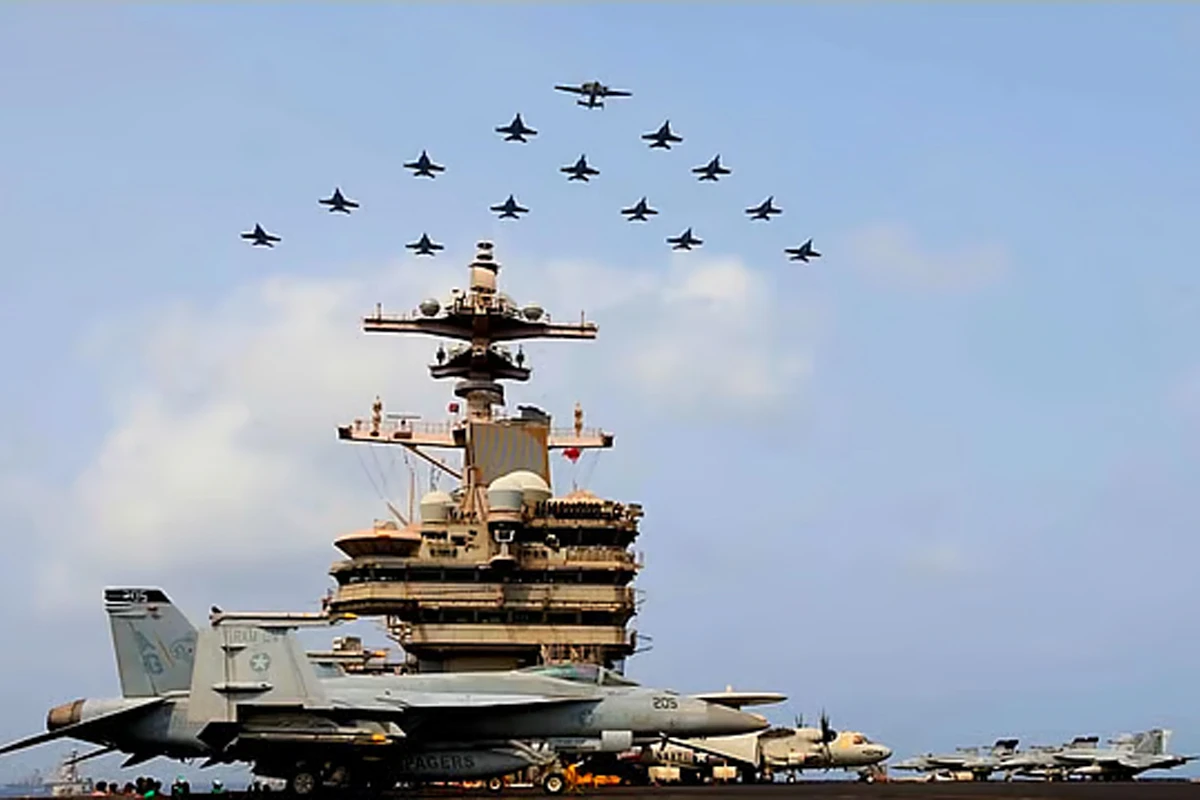
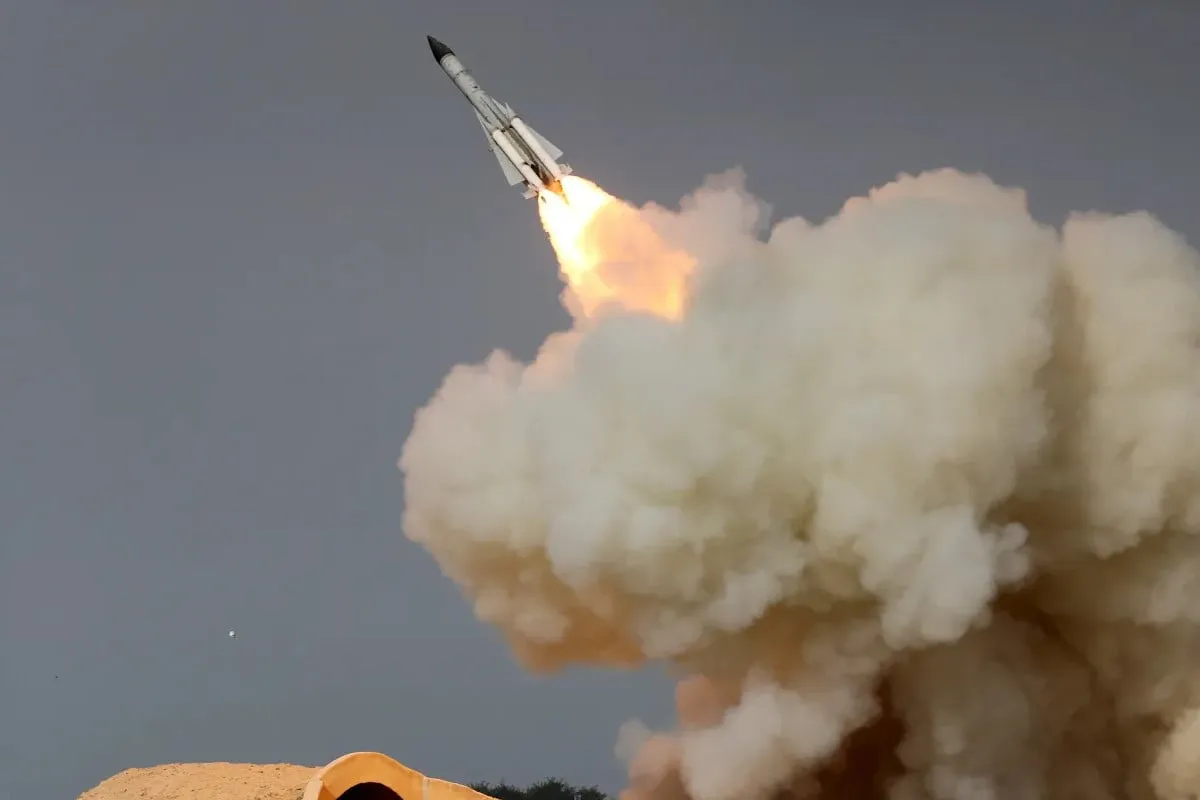
The United States launched comprehensive air assault against Iran, striking multiple cities and maritime infrastructure in what represents complete abandonment of the June 15 ceasefire agreement.
The operation—executed on Trump administration orders—targeted Bushehr, Chabahar, Bandar Abbas, Sirik, Jask, and Abu Musa Island with over 20 military aircraft, inflicting civilian casualties and destroying essential infrastructure sustaining Iranian civilian population.
The air campaign systematically targeted dual-use infrastructure: ports facilitating international commerce, power systems supplying civilian electricity, railway bridges connecting domestic trade networks, and coastal surveillance systems managing maritime security. This infrastructure targeting distinguishes the operation from purely military operations, demonstrating American willingness to degrade civilian economic capacity.
Chabahar sustained particularly severe damage. The port city’s power supply was severed, two cargo docks were destroyed, and the maritime traffic control tower sustained direct hits—effectively neutralizing Iran’s primary port facility for southern maritime trade. The hospital in Chabahar’s Imam Ali district sustained missile fragment damage, creating medical facility vulnerability during ongoing conflict.
One firefighter was killed at Iran’s airport during the strikes—documented civilian casualty from infrastructure targeting. The Iranian media reported missile impacts on railway bridge near Aq Qala in northeastern Iran, damaging tracks and creating transportation disruption. The pattern of targeting—ports, power systems, bridges, traffic control facilities—reveals systematic assault on civilian economic infrastructure rather than military installation elimination.
Bushehr’s nuclear power plant escaped direct damage according to Iranian assessments, suggesting American planners exercised restraint regarding weapons of mass destruction facility targeting. However, Chabahar’s hospital damage indicates insufficient American discrimination between civilian and military facilities, violating international humanitarian law prohibiting indiscriminate targeting.
US Vice President JD Vance and American military officials claimed Iran violated ceasefire through renewed commercial vessel attacks, justifying the air campaign as enforcement response. However, the claim lacks credible documentation; Iranian assertions that vessels traveling non-coordinated routes encounter operational risk differs fundamentally from deliberate attack claims. The American narrative provides legal justification for infrastructure targeting that violates Geneva Convention protections for civilian facilities.
The operation represents ceasefire’s definitive collapse. While ceasefire theoretically remained operative, American military actions throughout the agreement period demonstrated systematic violation. The latest air campaign—largest operation since ceasefire began—proves that American commitment to restraint never existed substantively.
Over 20 US military aircraft conducting the operation required substantial logistical coordination and intelligence preparation. This scale indicates deliberate planning rather than spontaneous response, suggesting that American military prepared the operation during ceasefire period and executed it when political circumstances permitted.
The targeting of Iranian Strait of Hormuz infrastructure—ports, maritime surveillance systems, coastal facilities—directly challenges Iran’s assertion of maritime control. By destroying infrastructure necessary for Iranian port operation and maritime management, American strikes attempt to neutralize Iranian leverage regarding Hormuz access. This strategic objective explains infrastructure targeting focus.
Chabahar holds particular strategic significance as Iranian port facilitating Central Asian trade access and bypassing American sanctions on other Iranian ports. American infrastructure destruction targeting Chabahar specifically reflects effort to eliminate Iran’s alternative economic corridors independent of Hormuz vulnerability.
The civilian casualty and hospital damage indicate American operations lacked precise targeting, or alternatively, American planners accepted civilian costs as acceptable. Either interpretation violates international humanitarian law requirements for proportionality and civilian protection.
Catch all the World News, Breaking News Event and Trending News Updates on GTV News
Join Our Whatsapp Channel GTV Whatsapp Official Channel to get the Daily News Update & Follow us on Google News.
Must Read



Sports
Pakistan Finalise 12-Man Squad for Birmingham Test, Four to Five Changes Expected
9-September،2026